
The best Sharebite alternative depends on how your team eats: daily office lunches, remote meal stipends, late-night delivery, or catered meetings. Food benefits matter because employers already spend heavily on perks; private industry benefits averaged $12.77 per hour worked in March 2024 [source: BLS]. A meal platform helps turn some of that spend into something employees actually feel every week.
TLDR: If you need a direct Sharebite replacement, start with DoorDash for Business, Grubhub Corporate Accounts, and ezCater. For example, a 120-person hybrid company could set a $15 lunch credit twice a week, cap the monthly budget at $14,400, and track usage by office or department. Fooda is strong for in-office pop-up meals, while Cater2.me works best when you want curated group dining without making HR chase ten vendors.
Why companies look beyond Sharebite
Sharebite is popular for corporate meal ordering, especially when companies want gift cards, group orders, and a social good angle. Still, not every team fits the same tool. Some need better catering. Some need local restaurant access. Others want cleaner budget controls for remote workers.
Honestly, it feels like meal software can make a simple lunch way too complicated. If admins need five clicks just to change a stipend from $12 to $15, people will stop using it. The right platform should make food feel easy, not like another HR system.
1. DoorDash for Business
Best for: remote teams, hybrid teams, and simple meal credits.
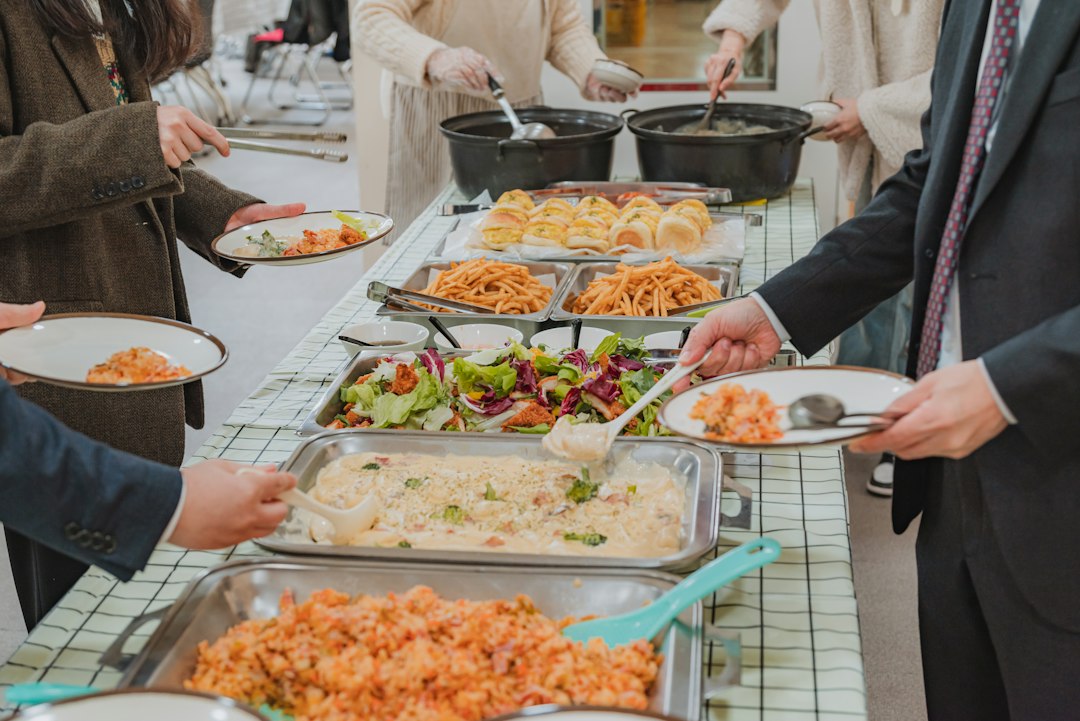
DoorDash for Business is one of the easiest Sharebite alternatives to understand. Employees already know DoorDash, so training is light. Admins can create meal budgets, send credits, set order windows, and limit where funds can be used.
- Useful feature: recurring meal credits for remote or hybrid staff.
- Good fit: sales teams, support teams, and distributed companies.
- Watch out: fees and restaurant prices can vary by location.
The main appeal is reach. If your team is spread across cities, DoorDash usually has more local options than office-first meal platforms. The catch is that spending can creep up if you do not set tight rules.
2. Grubhub Corporate Accounts
Best for: teams that want delivery credits, group ordering, and employee choice.
Grubhub Corporate Accounts gives companies a familiar ordering setup with admin controls. You can create meal perks, set budgets, limit ordering times, and manage invoices. It works well for remote meals, overtime dinners, and virtual events.
- Useful feature: group ordering with individual meal choices.
- Good fit: law firms, agencies, tech teams, and finance teams.
- Watch out: restaurant coverage can be uneven outside major cities.
It is also handy when managers do not want to collect everyone’s sandwich order in Slack. Employees choose their own food, and the company pays within set limits. Simple. Less chasing. Fewer “who ordered the tuna wrap?” moments.
3. ezCater
Best for: office catering, trainings, client meetings, and large team lunches.
ezCater is less about individual delivery credits and more about feeding groups. If your workplace hosts all-hands meetings, onboarding sessions, board meetings, or weekly office lunches, ezCater is a strong choice.
- Useful feature: large catering marketplace with business-friendly ordering.
- Good fit: offices with frequent meetings and visitor meals.
- Watch out: it may be more than you need for small daily stipends.
Admins can compare catering menus, schedule delivery, and manage receipts. That sounds basic, but it saves real time. Expect to waste time on menu cleanup if your team has many allergies or strict food rules, though. Catering orders still need a human eye.
4. Fooda
Best for: offices that want restaurant pop-ups and rotating lunch options.
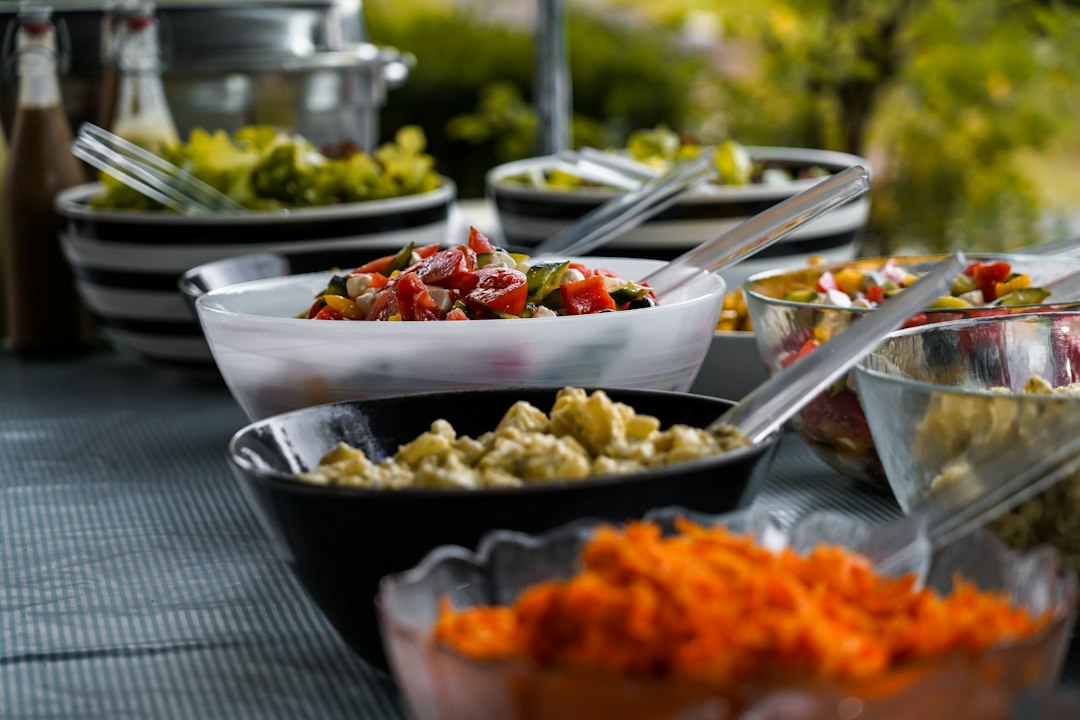
Fooda brings local restaurants into office buildings and workplaces. Instead of employees leaving for lunch or ordering one by one, Fooda can set up scheduled meal options on-site. This can make the office feel more active, especially on anchor days.
- Useful feature: rotating restaurant pop-ups inside the workplace.
- Good fit: large offices, corporate campuses, and high-traffic buildings.
- Watch out: it works best when enough employees are present.
Fooda is not always the right pick for remote-first companies. It shines when people come in at the same time and want lunch without waiting for delivery drivers. If your Tuesday office crowd is strong, Fooda can be a nice upgrade from sad vending machine snacks.
5. Cater2.me
Best for: curated office meals and a more managed food experience.
Cater2.me focuses on office catering, meal programs, and vendor coordination. It is a good Sharebite alternative for companies that want more hand-holding. The platform helps plan meals, source local vendors, and keep lunch programs fresh.
- Useful feature: curated restaurant selection and program support.
- Good fit: companies with regular office lunches and picky teams.
- Watch out: managed service can cost more than self-serve tools.
This is useful when food quality matters a lot. Some teams do not want another pizza tray every Friday. Cater2.me can help create more variety, including healthier options, local favorites, and meals for different diets.
How to choose the right platform
Start with the eating pattern, not the brand name. A remote team needs credits. An office-heavy team needs catering or pop-ups. A hybrid team may need both.
- For remote employees: choose DoorDash for Business or Grubhub Corporate Accounts.
- For meetings and events: choose ezCater.
- For busy office lunch days: choose Fooda.
- For curated meal programs: choose Cater2.me.
Also check budget controls before signing. You need caps by person, team, date, time, and location. You also need clean reporting. Finance will ask for it. They always do.
Best overall: DoorDash for Business is the most flexible option for mixed teams. Best for catering: ezCater is hard to beat. Best office experience: Fooda or Cater2.me can make lunch feel more intentional. Pick the tool that matches how your people actually eat, and the meal benefit will get used instead of ignored.