
For most enterprise SDR teams, the safest shortlist is Salesloft, Outreach, Apollo.io, Groove, Reply.io, and Saleshandy. They cover the main jobs SDR leaders care about: sequencing, calling, email tracking, CRM syncing, coaching, and pipeline reporting. That matters because sales reps spend only about 28% of their week actually selling, according to Salesforce [source: Salesforce]. A good sales engagement platform should give that time back, not bury reps in admin work.
TLDR: If you run an enterprise SDR team, start with Salesloft or Outreach for mature workflows, coaching, and governance. Pick Apollo.io when prospect data and outbound tools need to sit in one place. For example, a 40-person SDR team sending 1,200 touches per day could save 10 to 15 hours weekly by cutting manual list building and CRM updates. If budget is tight, Reply.io or Saleshandy may cover enough without the larger platform cost.
The enterprise sales engagement hit list
Sales engagement software is not just an email tool. At enterprise level, it becomes the operating system for outbound sales. It decides who gets contacted, when they get contacted, what message they receive, and how managers inspect performance.
The catch is, many platforms sound almost identical on demo calls. Every vendor says they improve productivity. Every vendor talks about AI. Every vendor claims clean CRM sync. The real test is how the tool behaves when 50 SDRs, three sales regions, and five buyer personas all hit the system at once.
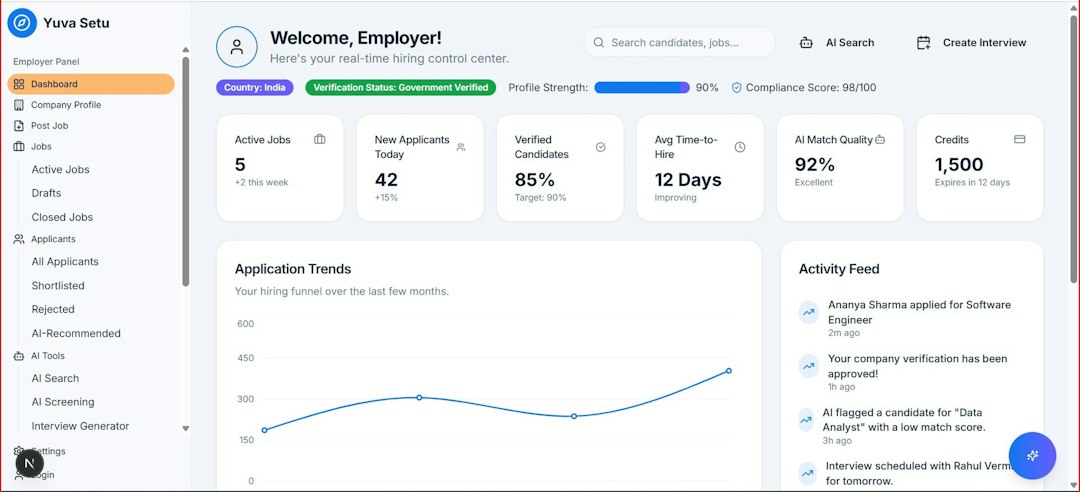
1. Salesloft
Best for: enterprise teams that need process control, coaching, and reliable execution.
Salesloft is one of the strongest choices for structured SDR teams. It handles cadences, calls, emails, meetings, forecasting support, and rep coaching. Managers get useful visibility into activity quality, not just raw volume.
Why teams pick it: Salesloft is built for scale. It fits well when sales operations wants firm rules around messaging, task timing, CRM fields, and handoffs.
Where it can frustrate teams: Setup takes work. If your routing rules are messy, Salesloft will expose that fast. Expect some early cleanup before reps feel real speed.
2. Outreach
Best for: large revenue teams that want deep sequencing, automation, and strong sales execution data.
Outreach is often the direct rival to Salesloft. It is powerful, mature, and built for serious outbound teams. SDRs can manage multistep sequences across email, phone, LinkedIn tasks, and more. Leaders can inspect conversion rates by sequence, persona, rep, and segment.
Why teams pick it: Outreach is strong when the sales motion is complex. It gives RevOps teams plenty of control over workflows and reporting.
Where it can frustrate teams: Honestly, it feels like simple edits can take more clicks than they should. Admins may love the control. New reps may need time before they stop asking where things are.
3. Apollo.io
Best for: teams that want prospect data, email sequencing, dialing, and enrichment in one system.
Apollo.io stands out because it combines a B2B contact database with sales engagement features. That makes it useful for SDR teams that do not want to buy data from one vendor and run sequences in another tool.
Why teams pick it: It can cut tool sprawl. Reps can find accounts, filter buyers, build lists, enrich records, and launch sequences from the same workspace.
Where it can frustrate teams: Data quality still needs review. No database is perfect. Bad titles, old emails, and duplicate accounts can still creep into campaigns.

4. Groove
Best for: Salesforce-heavy teams that want tight CRM alignment.
Groove is popular with teams that live inside Salesforce. Its strength is activity capture, workflow support, and clean CRM usage. It helps reps spend less time logging work and more time running account plans.
Why teams pick it: Groove is practical. It does not try to be everything for everyone. For Salesforce-first companies, that focus can be a real advantage.
Where it can frustrate teams: Teams outside a Salesforce-centered setup may find less value. If your CRM process is weak, Groove will not magically fix it.
5. Reply.io
Best for: SDR teams that want multichannel outreach without buying a heavier enterprise suite.
Reply.io supports email sequences, calls, LinkedIn steps, SMS, meetings, and basic automation. It is often a good fit for growing teams that need more structure than a basic mail merge tool but are not ready for a large enterprise rollout.
Why teams pick it: It is easier to get moving. Smaller SDR teams can create sequences, test copy, and track replies without waiting months for implementation.
Where it can frustrate teams: Reporting may not satisfy every enterprise sales leader. If your board wants deep funnel inspection by market, segment, and manager, check the dashboards closely before signing.
6. Saleshandy
Best for: cost-conscious teams focused on cold email campaigns.
Saleshandy is simpler than Salesloft or Outreach, but that can be the point. It is aimed at cold email outreach, tracking, warmup, and campaign management. For teams that care mostly about email at scale, it can be enough.
Why teams pick it: It is lighter, cheaper, and easier to understand. Reps do not need weeks of training to send campaigns and measure replies.
Where it can frustrate teams: It is not a full enterprise revenue platform. Coaching, governance, call workflows, and complex CRM needs may require other tools.
How to choose without wasting a quarter
- Pick Salesloft if coaching, governance, and mature SDR process matter most.
- Pick Outreach if your sales motion is complex and your RevOps team wants deep control.
- Pick Apollo.io if data sourcing and engagement need to be combined.
- Pick Groove if Salesforce usage is the center of your sales process.
- Pick Reply.io if you need multichannel outreach with a lower lift.
- Pick Saleshandy if cold email scale and cost control are the main goals.
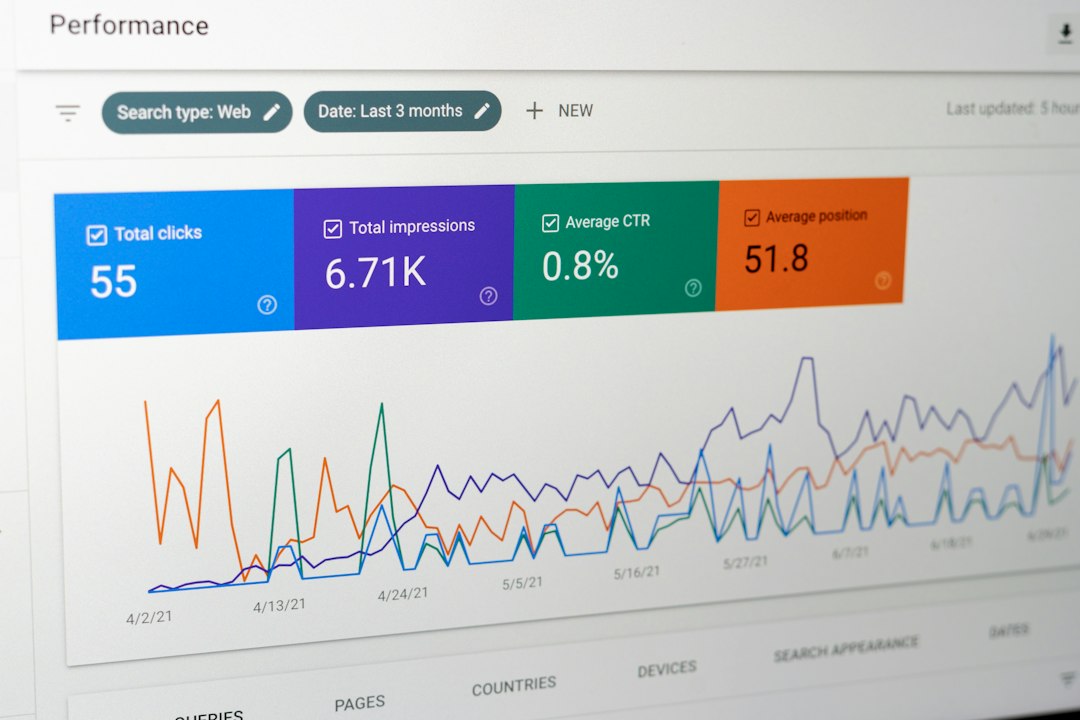
Before buying, run a pilot with real SDRs. Use live accounts, not fake demo data. Track reply rate, meeting rate, task completion time, CRM sync accuracy, and manager review time.
A serious pilot should last at least 30 days. Shorter tests miss the hard parts, such as bounced emails, stalled sequences, duplicate records, call logging issues, and rep adoption. It drives me crazy when teams choose software after one polished demo, then spend six months fixing basic workflow gaps.
The best platform is the one your SDRs will actually use every day. Fancy features matter less than clean workflows, trusted data, and clear reporting. Get those right, and the tool can help your team book more meetings with less busywork.