
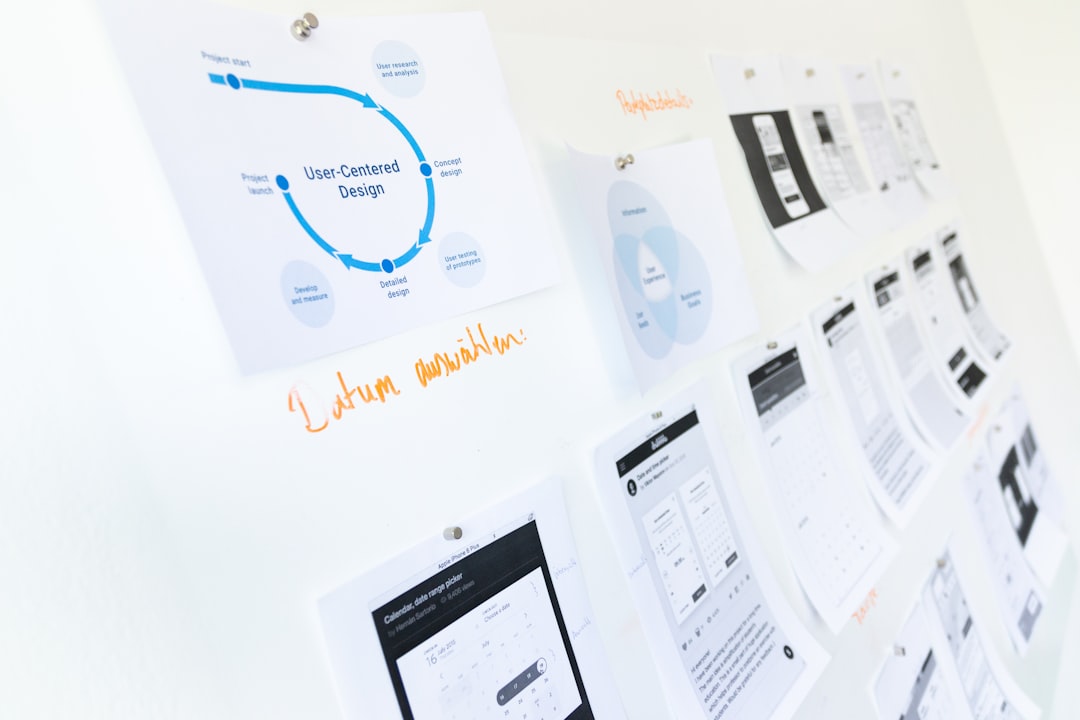
Free trials remain one of the most effective growth levers for SaaS companies, but the sign-up experience often determines whether a visitor becomes an active user or disappears before seeing value. Leading software companies treat the free trial sign-up flow as a conversion system: clear messaging, low friction, fast activation, and continuous optimization.
TLDR: High-converting SaaS free trial sign-ups are simple, trustworthy, and focused on getting users to value quickly. The best companies reduce form friction, clarify trial terms, personalize onboarding, and use strong social proof. They also test every step of the journey, from landing page copy to activation emails, to improve conversions over time.
1. Make the Value Proposition Immediately Clear
Before a visitor shares an email address, the product’s value must be obvious. Leading SaaS companies avoid vague statements and instead communicate who the product helps, what problem it solves, and what outcome the user can expect.
A strong free trial page typically answers three questions within seconds:
- What does the software do?
- Why is it better or easier than alternatives?
- What can a new user accomplish during the trial?
For example, rather than saying “Improve productivity with powerful tools,” a stronger message might highlight a specific result such as “Plan projects, assign tasks, and track deadlines in one workspace.” Clarity reduces hesitation and helps qualified visitors move forward.
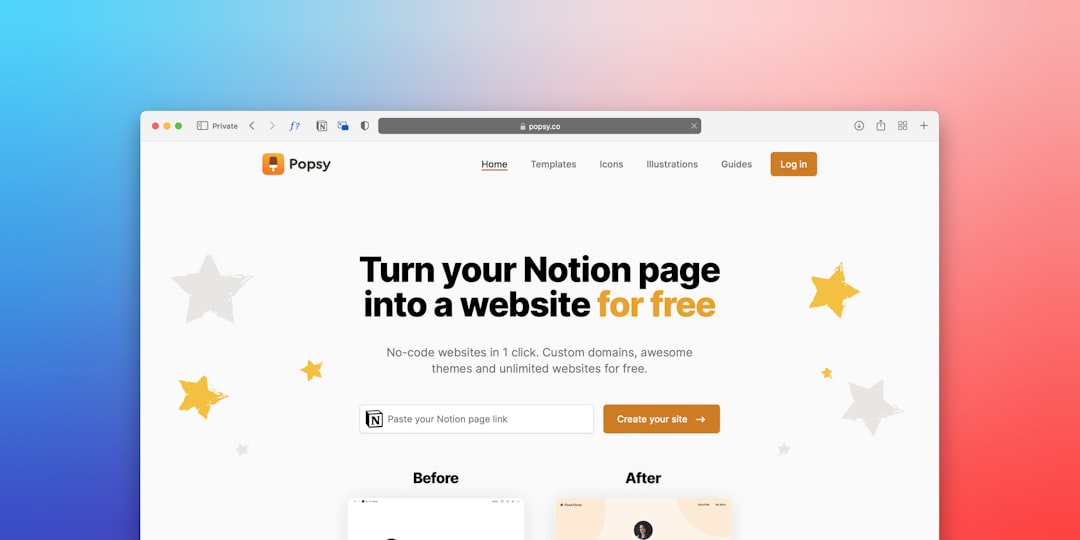
2. Keep the Sign-Up Form Short
Every additional field in a sign-up form creates friction. High-performing SaaS companies usually ask only for the information required to create an account and begin the trial. In many cases, that means name, email, and password, or even just an email address with magic-link authentication.
For B2B SaaS products, some companies ask for business email, company size, or role. However, leading teams are careful not to overload the first step. They often collect extra details later during onboarding, when the user already has a reason to engage.
The best approach depends on the sales motion. A self-serve SaaS product may benefit from the shortest possible form, while an enterprise product may need qualifying information. Either way, the principle remains the same: remove any field that does not directly support conversion or activation.
3. Offer Single Sign-On Options
Single sign-on options such as Google, Microsoft, or Apple help reduce sign-up effort. For many users, creating another password feels unnecessary. A one-click account creation option can significantly improve completion rates, especially for productivity, collaboration, developer, and marketing tools.
Leading software companies often place social or business login buttons prominently above the traditional form. They also clarify that authentication is secure and will not post or share information without permission. This builds confidence while making the first step faster.
4. Be Transparent About Trial Terms
Unclear trial terms can cause distrust. If users are unsure whether a credit card is required, how long the trial lasts, or what happens after it ends, they may abandon the process. High-converting SaaS companies make these details visible near the call to action.
Common trust-building phrases include:
- “No credit card required”
- “14-day free trial”
- “Cancel anytime”
- “Full access during trial”
When a credit card is required, the company should explain why and clearly state billing timing. Transparency may reduce low-intent sign-ups, but it often improves trust, activation quality, and paid conversion rates.
5. Use Social Proof Near the Sign-Up CTA
Visitors are more likely to start a trial when they see evidence that similar companies or professionals trust the product. Leading SaaS brands add social proof close to the sign-up area, where it can reduce last-second hesitation.
Effective forms of social proof include customer logos, short testimonials, star ratings, usage numbers, case study snippets, and security badges. The most persuasive examples are specific and relevant. A testimonial saying “Our team cut reporting time by 40% in the first month” is stronger than a generic compliment.

6. Match the Trial Experience to User Intent
Not all trial users have the same goals. Some are comparing vendors, some need to solve an urgent problem, and others are exploring features. Leading SaaS companies use segmentation to personalize the post-sign-up experience.
A short onboarding question can reveal the user’s role, company size, use case, or primary goal. Based on the response, the product can show relevant templates, dashboards, checklists, or messages. This makes the trial feel more useful from the beginning.
For example, a CRM platform might guide a sales manager toward pipeline setup, while a founder may receive a simpler path focused on importing contacts and tracking deals. Personalization helps users reach the product’s aha moment faster.
7. Guide Users to Quick Activation
A free trial sign-up is not the finish line. It is the beginning of activation. Leading software companies identify the actions most strongly linked to long-term retention and guide users toward them immediately.
These activation actions might include:
- Creating a first project or workspace
- Inviting a teammate
- Connecting an integration
- Uploading data or importing contacts
- Publishing, launching, or completing a first task
Effective onboarding uses checklists, progress indicators, tooltips, sample data, and contextual prompts. The goal is not to explain every feature. The goal is to help the user experience meaningful value as quickly as possible.
8. Test, Measure, and Improve Continuously
The best SaaS companies do not rely on assumptions. They measure every stage of the free trial funnel, including landing page visits, CTA clicks, form starts, form completions, email confirmations, first logins, activation events, and paid upgrades.
A/B testing can reveal which headlines, CTAs, form fields, trust messages, and page layouts produce stronger conversion rates. However, testing should focus on meaningful changes rather than random button colors. Teams should begin with hypotheses based on user behavior, analytics, heatmaps, and customer feedback.
Important free trial metrics include:
- Visitor-to-sign-up conversion rate
- Sign-up completion rate
- Activation rate
- Trial-to-paid conversion rate
- Time to first value
By connecting acquisition data with product usage data, SaaS teams can learn not only which visitors sign up, but which sign-ups become successful customers.

Additional Best Practices That Support Conversions
Several smaller improvements can also help increase free trial performance. Strong companies ensure that pages load quickly, especially on mobile devices. They keep CTAs visually prominent and use action-oriented language such as “Start free trial” or “Try it free.”
They also align ad copy, landing page copy, and in-product onboarding. If a paid ad promises faster reporting, the trial experience should guide users directly to reporting features. Consistency reassures visitors that they are in the right place.
Finally, follow-up emails should support activation rather than overwhelm the user. A useful trial email sequence may include a welcome message, a quick-start guide, a use-case-specific tip, a customer success story, and a reminder before the trial ends.
Conclusion
SaaS free trial conversions improve when companies reduce friction, build trust, and guide users toward value. The most successful software companies treat the trial journey as a connected experience, not just a sign-up form. By clarifying the offer, simplifying account creation, personalizing onboarding, and measuring performance, SaaS teams can increase both sign-ups and paid conversions.
FAQ
What is a good SaaS free trial conversion rate?
A good rate depends on the product, market, price, and trial model. Many SaaS companies see trial-to-paid conversion rates between 10% and 25%, while highly optimized or sales-assisted models may perform higher.
Should a SaaS free trial require a credit card?
It depends on the business model. Requiring a credit card may reduce sign-ups but increase buyer intent. Not requiring one usually increases trial volume and works well for self-serve products focused on broad adoption.
How long should a SaaS free trial be?
Common trial lengths are 7, 14, or 30 days. The right length should give users enough time to experience value without delaying the buying decision unnecessarily.
What is the most important part of the free trial funnel?
Activation is often the most important stage. A sign-up has limited value if the user does not complete meaningful actions that show the product’s benefit.
How can SaaS companies reduce trial abandonment?
They can reduce abandonment by simplifying forms, clarifying trial terms, improving page speed, using trust signals, and guiding users quickly to their first valuable outcome.