
Micro USB is an older but still common USB connector used for charging, file transfer, and small-device accessories. You will find it on Android phones from earlier generations, power banks, Bluetooth speakers, cameras, e-readers, controllers, and many low-cost electronics. It is not as simple as “any Micro USB cable will work.” Connector shape, cable wiring, charger output, and device support all affect what actually happens.
TLDR: Micro USB usually means Micro-B USB 2.0, the small trapezoid connector used on many older phones and accessories. It can charge most devices at 5 volts and transfer data at up to 480 Mbps, though real speeds are often much lower. For example, a 2 GB video may take several minutes over a basic Micro USB cable, while a charge-only cable will not transfer it at all. If a device charges but never appears on a computer, the cable is often the problem, not the device.
What Micro USB Actually Is
Micro USB is a physical connector standard from the USB family. It replaced Mini USB in many products because it was smaller and more durable. The connector was widely used before USB-C became common.
The standard Micro USB plug has a slightly uneven shape. One side is wider than the other, so it only inserts one way. That single-orientation design is one reason users bent ports and damaged cables. Honestly, it feels like half the frustration with old Android phones came from trying to plug them in correctly in bad light.
Micro USB does not describe only one capability. It can support charging, data transfer, or both. Some cables contain all required wires. Others are built only for charging. That difference matters.
Main Micro USB Connector Types
There are several Micro USB connector types. They look similar at a glance, but they are not all the same.
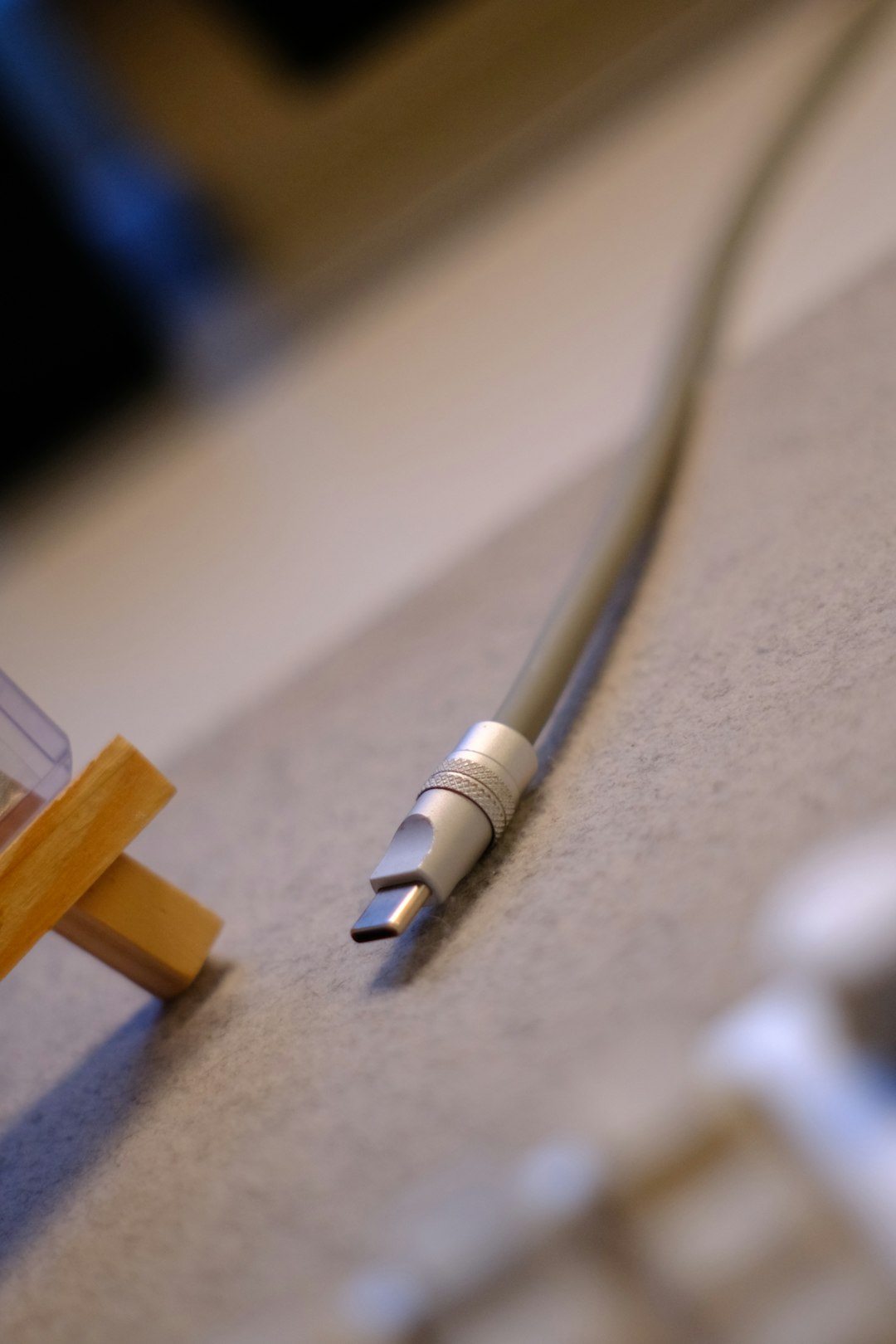
- Micro USB Type B: This is the most common version. It appears on older Android phones, tablets, headphones, speakers, power banks, dash cams, and game controllers. When people say “Micro USB,” they usually mean this connector.
- Micro USB Type A: This is much less common. It was designed for USB On-The-Go host devices but rarely appeared in regular consumer products.
- Micro USB AB: This receptacle can accept both Micro-A and Micro-B plugs. It was used in some devices that supported USB On-The-Go. It is uncommon now.
- Micro USB 3.0 Type B: This is a wider connector with an extra section beside the standard Micro-B shape. It appeared on some external hard drives and a few Samsung phones, such as certain Galaxy Note models. It supports faster USB 3.0 data rates when used with the right cable and host port.
The most practical rule is simple: if the port is small, trapezoid-shaped, and appears on an older phone or accessory, it is probably Micro USB Type B.
Compatibility: Why Some Cables Work and Others Do Not
Micro USB compatibility depends on three parts: the connector, the cable, and the device.
A Micro-B plug fits a Micro-B port. That part is straightforward. The problem comes after the fit. A cable may support only charging. It may lack the data wires needed for file transfer. Cheap cables often do this to save cost. The user sees the charging icon and assumes the cable is fine. Then the computer does not detect the device. It drives me crazy that this can waste 10 minutes before anyone suspects the cable.
Compatibility also depends on USB modes. Many phones require the user to choose a mode after connection. Common options include charging only, file transfer, photo transfer, or MIDI. If the phone stays in charging mode, a computer may not show storage access.
Micro USB accessories can also use USB On-The-Go, often called OTG. With OTG, a phone or tablet can act as a host for a USB flash drive, keyboard, card reader, or game controller. This requires a compatible device and the correct OTG adapter. A normal Micro USB charging cable will not always do this.
Charging With Micro USB
Micro USB charging normally uses 5 volts. Current varies by charger, cable, and device. Older USB ports on computers often supply up to 500 mA under USB 2.0 rules. Dedicated chargers may provide 1 A, 1.5 A, or 2 A. Some proprietary fast-charging systems used Micro USB as well, but the device and charger both had to support them.
Do not assume a higher-rated charger will force too much power into the device. In normal operation, the device draws what it can accept. A 2 A charger can safely charge a device that only draws 1 A, provided the charger is reputable and the cable is sound.
Cable quality affects charging speed. Thin, worn, or very long cables can cause voltage drop. The result is slow charging, random disconnects, or heat near the connector. If a device charges from 20% to 50% in an hour with one cable but takes two hours with another, the cable may have high resistance.
Data Transfer Speed and Limits
Most Micro USB devices use USB 2.0 High Speed, rated at up to 480 Mbps. That number is theoretical. Real-world file transfer speeds are lower because of protocol overhead, storage speed, drivers, and device limits.
For basic tasks, Micro USB is still usable. Moving photos, ebooks, documents, firmware files, and small backups is fine. Large video files are less pleasant. A phone with slow internal storage may transfer at only a few megabytes per second, even with a decent cable.
Micro USB 3.0 Type B can support up to 5 Gbps when connected to a USB 3.0 port with the proper cable. Standard Micro-B cables cannot provide that speed. They also do not fill the wider USB 3.0 Micro-B socket fully, though many USB 3.0 Micro-B devices can still accept a standard Micro-B cable for slower charging or USB 2.0 data.
How to Tell If a Cable Supports Data
A data-capable Micro USB cable contains at least four conductors: power, ground, data plus, and data minus. A charge-only cable may include only power and ground. You usually cannot confirm this just by looking at the outside.
Use these checks:
- Connect the device to a computer. If the computer detects it, the cable likely supports data.
- Try another known data cable. This is the fastest test.
- Check the original cable. Cables supplied with phones, cameras, or e-readers often support data.
- Avoid ultra-cheap bundles. Many are charge-only, poorly shielded, or inconsistent.
If data transfer fails, also check the device screen. Some Android versions require approval before files appear. The prompt can be easy to miss.
Micro USB vs USB-C
USB-C is newer, reversible, and more capable. It supports higher charging power, faster data standards, video output in some devices, and a stronger user experience. Micro USB is simpler and cheaper, but it is limited.
That does not make Micro USB useless. It remains practical for low-power devices. Wireless mice, LED lights, budget speakers, small battery packs, and older cameras still use it. For these products, the connector is good enough if the cable is reliable.
Common Problems and Fixes
- Device charges but will not transfer files: Use a different cable. Then select file transfer mode on the device.
- Cable falls out easily: The plug hooks may be worn, or the device port may be loose.
- Slow charging: Try a shorter, thicker cable and a charger rated for at least 1 A.
- Connection cuts in and out: Clean lint from the port gently with a non-metal tool. Power the device off first.
- Port feels hot: Stop using that cable or charger. Heat can signal resistance, damage, or a poor connector fit.
Buying Advice
Choose a Micro USB cable from a known accessory brand when possible. Look for clear support for charging and data sync. For charging, a cable rated for 2 A is a sensible baseline. For data, avoid “charge cable” listings unless charging is all you need.
Length matters. A 1 meter cable is a safe everyday choice. Very long cables may charge slower unless they use thicker conductors. For a power bank or car charger, durability near the connector is more useful than fancy packaging.
Micro USB is no longer the best connector, but it remains widely used. The key is knowing its limits. Match the connector type, use a real data cable when needed, and avoid damaged ports or bargain cables that behave unpredictably.