
For businesses that rely on digital marketing funnels, understanding what happens between the first click and the final conversion is essential. Funnelytics is a funnel mapping and analytics platform designed to help marketers, agencies, course creators, consultants, and ecommerce teams visualize customer journeys, track performance, and identify bottlenecks. This review explains how Funnelytics works, what its core features offer, and where it fits within a modern marketing strategy.
TLDR: Funnelytics combines visual funnel mapping with analytics, allowing teams to design customer journeys and measure how users move through them. It is especially useful for agencies, funnel strategists, and businesses that want a clearer picture of conversion paths. Its strongest advantage is the ability to turn complex funnels into visual maps, while its value depends on how consistently tracking is implemented. For teams serious about funnel optimization, Funnelytics can be a powerful planning and analytics tool.
What Is Funnelytics?
Funnelytics is a platform built around the idea that marketing funnels should be both easy to visualize and measurable. Traditional analytics tools often show data in tables, charts, and reports, but they do not always make it simple to understand how every page, offer, email, ad, and conversion step connects. Funnelytics approaches the problem by giving users a canvas where they can map funnel steps visually, then overlay analytics data onto that map.
This makes the software particularly useful for businesses with multi-step funnels. A simple website may only need basic analytics, but a sales funnel with landing pages, checkout pages, upsells, webinar registrations, email sequences, and retargeting campaigns can become difficult to track without a visual structure. Funnelytics helps organize those moving parts into a single view.
How Funnel Mapping Works
At the center of Funnelytics is its drag and drop funnel mapping tool. Users can place icons and elements on a canvas to represent traffic sources, pages, actions, offers, emails, and conversions. These elements can then be connected with arrows to show the path a prospect is expected to take.
For example, a team might map a funnel that begins with a Facebook ad, continues to a lead magnet landing page, leads to an email nurture sequence, and finally directs the prospect to a sales call booking page. Each step can be represented visually, making the full strategy easier to explain to stakeholders, clients, or internal team members.
The mapping feature is helpful not only for live funnels but also for planning new campaigns. Agencies can use it during strategy sessions, consultants can outline proposed customer journeys, and business owners can clarify how traffic should flow from awareness to purchase. The advantage is that everyone involved can see the funnel structure in a simple, visual format.
Analytics and Tracking Features
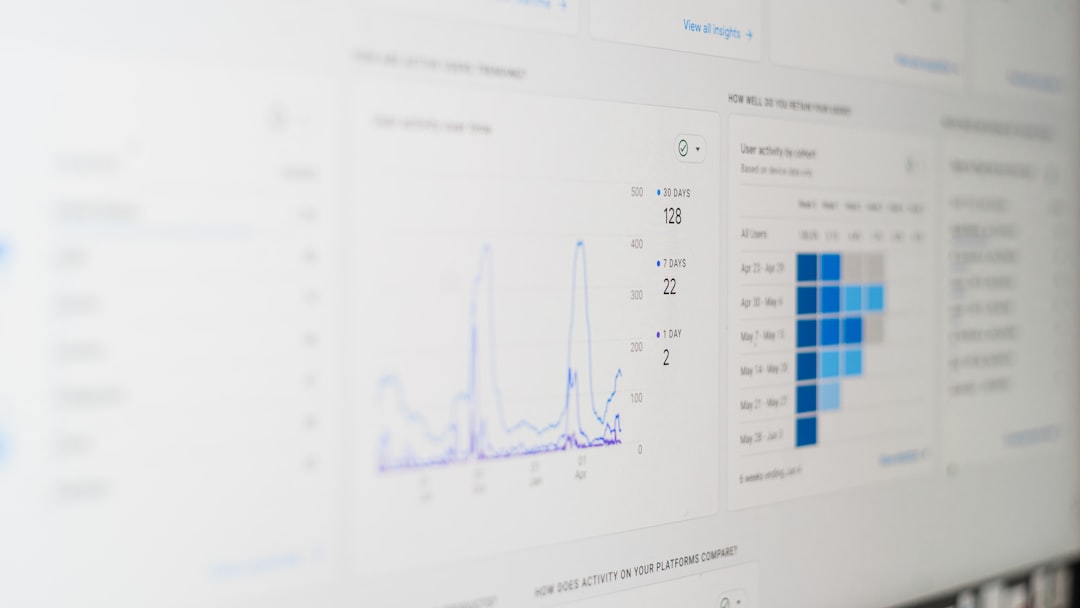
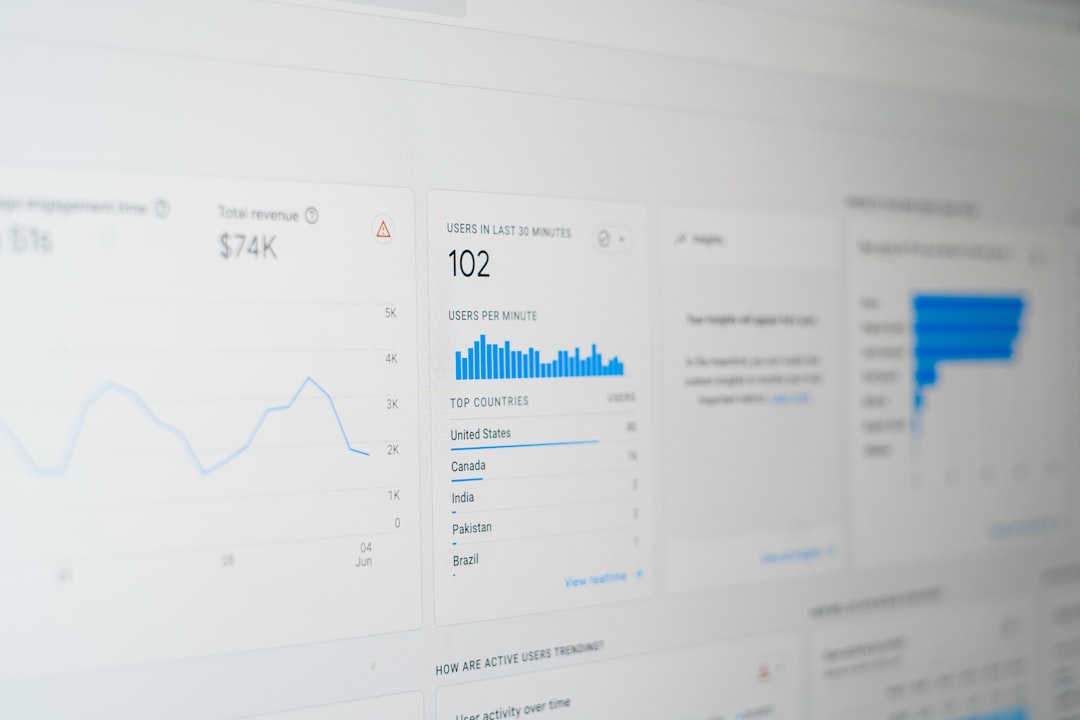
Funnelytics is not only a planning tool. Its more advanced value comes from funnel analytics. Once tracking is set up, the platform can measure how visitors move through mapped funnel steps. This allows teams to see which pages receive traffic, where visitors drop off, and which paths generate conversions.
The analytics layer helps answer important questions such as:
- Which traffic sources are sending the most visitors?
- Where are prospects leaving the funnel before converting?
- Which conversion steps are performing best?
- How much revenue is attributed to specific paths?
- Which campaigns deserve more budget or optimization?
This data becomes more useful when it is presented directly on the funnel map. Instead of switching between spreadsheets, ad platforms, and website analytics tools, a team can view performance in the context of the customer journey. That visual approach is one of Funnelytics’ strongest differentiators.
Key Features of Funnelytics
Funnelytics includes several features that support both planning and optimization. While specific features may vary depending on the plan, the platform is generally known for the following capabilities:
- Visual funnel canvas: A workspace for building funnel diagrams using pages, traffic sources, actions, and conversion points.
- Pre built templates: Funnel templates that help users start faster with common campaign structures.
- Tracking scripts: Code that can be installed across funnel pages to collect visitor and conversion data.
- Conversion analytics: Metrics that show how users progress from one step to another.
- Revenue tracking: Reporting that can connect sales or revenue events to funnel activity.
- Client presentation tools: Visual maps that agencies can use to explain strategies and results.
- Collaboration features: Options for teams to work together on funnel planning and reporting.
These tools make Funnelytics especially appealing to users who want more than a standard analytics dashboard. The platform is designed for people who think strategically about funnels and want to connect planning with performance.
Who Is Funnelytics Best For?
Funnelytics is best suited for businesses and professionals that manage structured marketing funnels. A small local business with only a basic contact form may not need the platform’s full capabilities. However, a company running paid ads, landing pages, email automation, webinars, upsells, or booking funnels may find it much more valuable.
The platform is especially useful for:
- Marketing agencies that need to map client strategies and report funnel performance.
- Funnel builders who design multi-step sales and lead generation systems.
- Course creators and coaches who rely on webinar funnels, application funnels, or checkout flows.
- Ecommerce brands that want to understand customer journeys across ads, product pages, carts, and upsells.
- SaaS companies that need to track signups, trials, onboarding steps, and paid conversions.
For agencies, Funnelytics can also support communication. A visual funnel map is often easier for clients to understand than a written strategy document. It allows marketers to show how campaigns are structured and where optimization work is needed.
Pros of Using Funnelytics
One of the main positives of Funnelytics is its visual clarity. Many marketing teams understand their funnels in theory, but the actual customer journey may be scattered across ad managers, page builders, CRM tools, email platforms, and payment systems. Funnelytics helps bring these pieces into one visual workspace.
Another advantage is its usefulness during both planning and analysis. Some tools support funnel diagrams but do not provide performance tracking. Others provide analytics but are not easy to use for visual planning. Funnelytics sits between those categories by combining mapping and measurement.
Its benefits include:
- Better strategic planning before campaigns are launched.
- Improved team alignment because funnel flows are easier to understand.
- Clearer client communication for agencies and consultants.
- More focused optimization because drop off points become visible.
- Visual reporting that can simplify complex funnel data.
Cons and Limitations
Although Funnelytics is powerful, it is not perfect for every user. The biggest limitation is that its analytics value depends on proper tracking setup. If tracking scripts are not installed correctly, or if funnel steps are not mapped accurately, the data may be incomplete or misleading. Like any analytics platform, it requires careful implementation.
There may also be a learning curve for users who are new to funnel strategy. The mapping interface is visual, but understanding how to structure a funnel and interpret conversion data still requires marketing knowledge. Businesses expecting instant results without strategic effort may not get the full benefit.
Another consideration is that Funnelytics does not replace every marketing tool. It is not primarily an email marketing platform, landing page builder, CRM, or payment processor. Instead, it works alongside those tools by helping users map and analyze the journey across them.
Funnelytics vs Traditional Analytics Tools
Traditional analytics platforms are excellent for measuring website traffic, user behavior, events, and conversions. However, they often require users to interpret data through reports, segments, and dashboards. This can be challenging when a funnel includes multiple traffic sources and many steps.
Funnelytics takes a different approach by making the funnel itself the reporting interface. Instead of only seeing numbers in a table, users can see traffic and conversion metrics directly on the visual flow. This makes it easier to spot problem areas quickly.
However, Funnelytics should not always be viewed as a total replacement for broader analytics systems. In many cases, it works best as a complementary tool. A company may still use other analytics platforms for deep website behavior analysis while using Funnelytics for funnel visualization and strategic conversion tracking.
Ease of Use
Funnelytics is generally considered user friendly for visual thinkers. The drag and drop canvas makes funnel building feel more intuitive than creating diagrams manually in presentation software. The icons and connections help users quickly represent ads, pages, emails, purchases, and customer actions.
The analytics setup, however, requires more care. Teams must understand where tracking codes belong, how conversion events should be defined, and how to match the live funnel to the visual map. For agencies and experienced marketers, this process is usually manageable. For beginners, it may require training or documentation.
Is Funnelytics Worth It?
Funnelytics is worth considering for teams that treat funnels as a serious revenue asset. If a business invests heavily in paid traffic, lead generation, webinars, or multi-step sales systems, then small improvements in conversion rates can have a meaningful financial impact. In that context, a tool that reveals bottlenecks and clarifies customer journeys can offer strong value.
For a business with limited traffic or a very simple website, the return may be lower. The platform becomes more valuable as funnel complexity increases. The more steps, offers, traffic sources, and customer paths a company manages, the more useful a visual analytics tool becomes.
Final Verdict
Funnelytics is a strong platform for funnel mapping, strategy visualization, and conversion analytics. Its main strength is the way it turns complicated marketing systems into clear visual maps that can also display performance data. This makes it useful for agencies, consultants, and growth focused businesses that need to understand not just how much traffic they receive, but how that traffic moves through the entire customer journey.
Its effectiveness depends on accurate setup, consistent tracking, and a solid understanding of funnel strategy. Still, for teams willing to implement it properly, Funnelytics can become a valuable part of the marketing optimization process. It helps connect planning with performance, which is exactly where many funnel based businesses need the most clarity.
FAQ
What is Funnelytics used for?
Funnelytics is used to map marketing funnels visually and analyze how visitors move through each step. It helps teams identify traffic sources, conversion points, and drop off areas.
Is Funnelytics only for agencies?
No. While agencies often benefit from its client presentation and reporting features, Funnelytics can also be used by ecommerce brands, coaches, consultants, SaaS companies, and other funnel based businesses.
Does Funnelytics replace Google Analytics?
Not always. Funnelytics is focused on visual funnel mapping and funnel performance analysis. Many businesses may still use broader analytics tools alongside it for deeper website and audience insights.
Is Funnelytics beginner friendly?
The mapping interface is relatively easy to understand, especially for visual planners. However, the analytics and tracking setup may require some technical knowledge or guidance.
What makes Funnelytics different from a diagram tool?
Unlike a basic diagram tool, Funnelytics can connect visual funnel maps with real performance data. This allows teams to plan funnels and analyze results in the same environment.
Who gets the most value from Funnelytics?
Businesses with multi-step funnels, paid traffic campaigns, lead generation systems, webinars, upsells, or complex customer journeys are likely to get the most value from Funnelytics.