

Launching a development services platform is not simply a marketing event or a technical deployment. It is a controlled business release that affects clients, internal teams, support operations, security posture, revenue processes, and long-term credibility. A serious product release checklist helps ensure that the platform is stable, understandable, compliant, and ready to deliver value from the first day it is available.
TLDR: A successful development services platform launch requires more than completed code; it requires coordinated readiness across product, engineering, security, operations, legal, sales, and support. The checklist should confirm technical stability, clear positioning, reliable onboarding, documentation, monitoring, and incident response. Before launch, teams should validate both the user experience and the internal processes that support it. After launch, continuous measurement and rapid issue resolution are essential.
1. Confirm Product Scope and Release Objectives
Before any platform goes live, the release team must define exactly what is being launched. This includes the services available, user roles supported, billing or subscription rules, integrations, service limits, and regional availability. Ambiguous scope is one of the most common causes of weak launches because it leads to inconsistent expectations across teams.
Create a formal release brief that includes:
- Core platform capabilities available on launch day
- Excluded features that are planned but not yet released
- Target users and customer segments
- Business goals, such as signups, conversions, usage, or retention
- Success metrics and reporting ownership
This document should be approved by product leadership, engineering, customer success, and commercial stakeholders. A disciplined launch starts with a shared understanding of what “ready” means.
2. Validate Platform Stability and Performance
A development services platform must be reliable under real-world usage. Users may depend on it to manage projects, request technical work, review deliverables, communicate with teams, or track development progress. Any instability can quickly undermine trust.
Prior to release, complete functional testing, regression testing, integration testing, and load testing. Test the most important user flows, including account creation, project submission, service selection, file uploads, status tracking, notifications, payment or invoicing processes, and admin workflows.

Performance benchmarks should be documented. For example, define acceptable page load times, API response times, uptime targets, and error-rate thresholds. If the platform includes client dashboards or developer workspaces, test them under realistic traffic conditions. It is also important to verify that backups, failover processes, and recovery procedures are functioning as expected.
3. Complete Security and Compliance Checks
Security is a release requirement, not a post-launch improvement. Development services platforms often handle sensitive business information, project files, user credentials, technical specifications, and sometimes intellectual property. A security review must be completed before public launch.
The checklist should include:
- Access control validation for clients, internal users, administrators, and partners
- Authentication and password policy review
- Encryption verification for data in transit and at rest
- Vulnerability scanning and remediation of critical findings
- Review of third-party integrations and data-sharing practices
- Privacy policy, terms of service, and data processing documentation
If the platform operates in regulated environments or serves enterprise clients, compliance obligations should be reviewed with legal and security specialists. Launching without clear data handling policies can create legal and reputational risk.
4. Prepare Documentation and User Guidance
Even a well-designed platform needs clear documentation. Users should understand how to begin, what services are offered, how requests are handled, what timelines to expect, and where to get help. Internal teams also need accurate operational documentation to avoid inconsistent responses.
Prepare user-facing materials such as onboarding guides, frequently asked questions, service descriptions, pricing explanations, and support policies. For internal teams, create process documents that explain escalation paths, account management procedures, issue triage, service delivery workflows, and refund or cancellation rules.
Documentation should be reviewed as part of the product, not treated as an afterthought. Poor documentation increases support volume, slows adoption, and can make the platform appear less mature than it is.
5. Test the Customer Onboarding Experience
The first customer experience should be smooth, direct, and confidence-building. Before launch, complete a full onboarding simulation from the perspective of a new user. This should include visiting the landing page, creating an account, confirming email, selecting services, submitting a request, receiving notifications, and contacting support.
Look for points of friction. Are instructions clear? Are forms too long? Are next steps obvious? Are confirmation messages professional and specific? Is the promised value of the platform visible within the first few minutes?
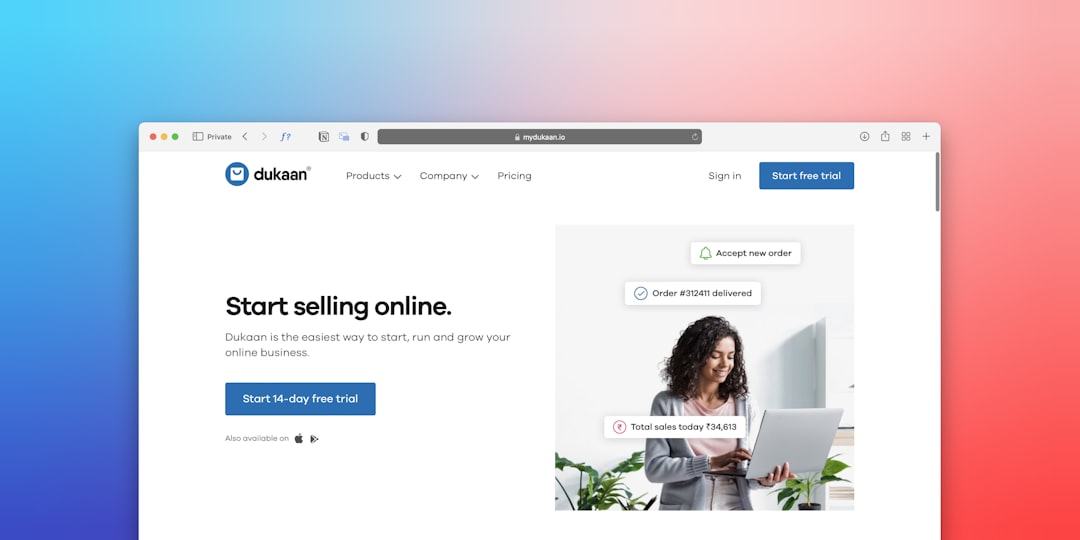
For development services, onboarding should also clarify expectations around communication, project scoping, delivery timelines, revisions, and technical requirements. Users should know what information they need to provide and what happens after submission. A strong onboarding flow reduces confusion and improves conversion.
6. Align Sales, Marketing, and Support Teams
A platform launch requires coordinated messaging. Sales teams must understand the platform’s capabilities and limitations. Marketing teams must avoid overstating features that are not yet available. Support teams must know how to respond to common questions and technical issues.
Before launch, provide internal enablement materials such as product briefs, demo scripts, competitive positioning, pricing notes, objection-handling guidance, and support macros. Hold a readiness meeting where each team confirms its responsibilities and raises unresolved concerns.
It is also useful to define ownership for launch-day communication. Identify who approves public updates, who monitors inbound questions, who responds to technical incidents, and who communicates with early customers if issues arise.
7. Finalize Analytics, Monitoring, and Reporting
A launch cannot be managed effectively without data. Analytics should be implemented before release, not after users arrive. Track both business and technical metrics so teams can quickly identify adoption patterns, conversion issues, performance problems, and support trends.
Important metrics may include:
- Website visits and signup conversion
- Completed onboarding rate
- Service request submissions
- Active users and returning users
- Platform errors and failed transactions
- Support ticket volume and response time
- Customer satisfaction and feedback themes
Operational monitoring should include uptime tracking, server health, log aggregation, alerting, and incident dashboards. The team should know who receives alerts and what action is required for different severity levels.
8. Establish Incident Response and Rollback Plans
No launch is risk-free. A professional release plan includes clear procedures for handling problems. The team should prepare for technical outages, payment failures, broken integrations, incorrect permissions, unexpected user behavior, and communication errors.
A strong incident response plan identifies severity levels, response owners, escalation routes, communication templates, and decision criteria for rollback. If a serious issue appears, the team should not waste time debating who is responsible or how to communicate.

Rollback planning is especially important when releasing major platform changes. Teams should know whether they can disable specific features, revert code, pause signups, limit access, or switch to a maintenance mode. The best time to make these decisions is before launch pressure begins.
9. Conduct a Final Go Live Review
The final go live review should be a formal checkpoint, not a casual conversation. All responsible leads should confirm readiness in writing or in a documented meeting. This review should include product status, engineering status, security approval, documentation completion, marketing readiness, support readiness, legal approval, and monitoring setup.
Use a simple decision framework: go, go with known risks, or no go. If the decision is “go with known risks,” document the risks, mitigation plans, and owners. This protects the organization from launching with hidden assumptions.
10. Manage the First 30 Days After Launch
The release is not complete when the platform becomes available. The first 30 days are critical for learning, correction, and trust-building. Monitor usage daily, review support tickets closely, and schedule frequent internal check-ins. Early customers often reveal practical issues that internal testing did not uncover.
Collect feedback from users, sales teams, support agents, and delivery teams. Prioritize fixes based on severity, business impact, and customer experience. Avoid making large strategic changes too quickly, but address defects, unclear instructions, and process gaps immediately.
A careful post-launch process can turn early friction into long-term improvement. It also signals professionalism to customers, especially when feedback is acknowledged and acted upon.
Conclusion
A development services platform launch should be treated as a structured business release with measurable readiness standards. The most reliable launches combine technical validation, security discipline, clear communication, operational planning, and continuous monitoring. By using a thorough product release checklist, organizations reduce risk and create a stronger first impression for customers, partners, and internal teams. A serious launch process does not guarantee perfection, but it greatly improves the platform’s ability to earn trust from day one.