
Skoove is the best middle ground for most adult beginners, while Simply Piano suits quick wins, and Flowkey works best for learning real songs slowly and clearly. For scale, Simply Piano lists 50M+ downloads on Google Play, so it is often the first app beginners try [source: Google Play].
TLDR: A beginner who practices 20 minutes a day, 5 days a week gets 100 minutes of weekly piano time, which is enough to see progress within a month. Skoove gives the most balanced mix of lessons, listening, and reading practice. Simply Piano is better for families and total beginners who need fast feedback. Flowkey is the better pick when the goal is to play songs like “Für Elise” or pop ballads at a slower pace.
Skoove vs Simply Piano vs Flowkey: quick verdict
These three apps all teach piano through a phone, tablet, or computer. They listen through the device microphone or connect by MIDI. That part sounds simple. The catch is that each app teaches in a very different way.
- Skoove: best for structured beginners who want lessons plus music reading.
- Simply Piano: best for children, families, and nervous first timers.
- Flowkey: best for song learning, slow practice, and visual hand guidance.
1. Skoove
Skoove feels like a calm online piano teacher. It starts with posture, rhythm, hand position, and simple notes. Then it moves into short exercises and songs. The app listens while the learner plays and gives feedback after each phrase.
Its strong point is balance. It does not rush the student into flashy songs too soon. It also does not bury the learner in theory. For beginners who want to read music, Skoove is one of the better choices. Notes, rhythm, and hand coordination appear early.
Honestly, it feels like some lesson screens could load faster, especially when switching between practice sections. Still, the teaching flow is clear. Skoove is a smart pick for adults who want steady progress without a cartoon style.
2. Simply Piano
Simply Piano is the most playful of the group. It uses bright screens, quick rewards, and short tasks. A learner plays a note, the app hears it, and the lesson moves on. This makes it friendly for children and busy beginners.
The app is strong at building confidence. Early lessons feel easy. That matters because many beginners quit after the first week. Simply Piano reduces that fear. It also works well for families with more than one learner.
The weak spot is depth. Some students may feel pushed through songs before they fully understand rhythm or staff reading. Expect to waste time repeating sections when the microphone misses a note in a noisy room. A MIDI cable fixes much of that problem.
3. Flowkey
Flowkey shines when the learner wants to play songs. It shows real hands on the keyboard, sheet music, and playback controls. The student can slow the music down, loop a section, and practice one hand at a time.
This is great for visual learners. It is also useful for people who already know a few basics. Flowkey makes hard songs feel less scary because it breaks them into smaller parts.
For pure beginners, though, Flowkey can feel less guided than Skoove or Simply Piano. It teaches, but the song library is the main draw. A learner who needs strict weekly lessons may prefer Skoove.
4. Yousician
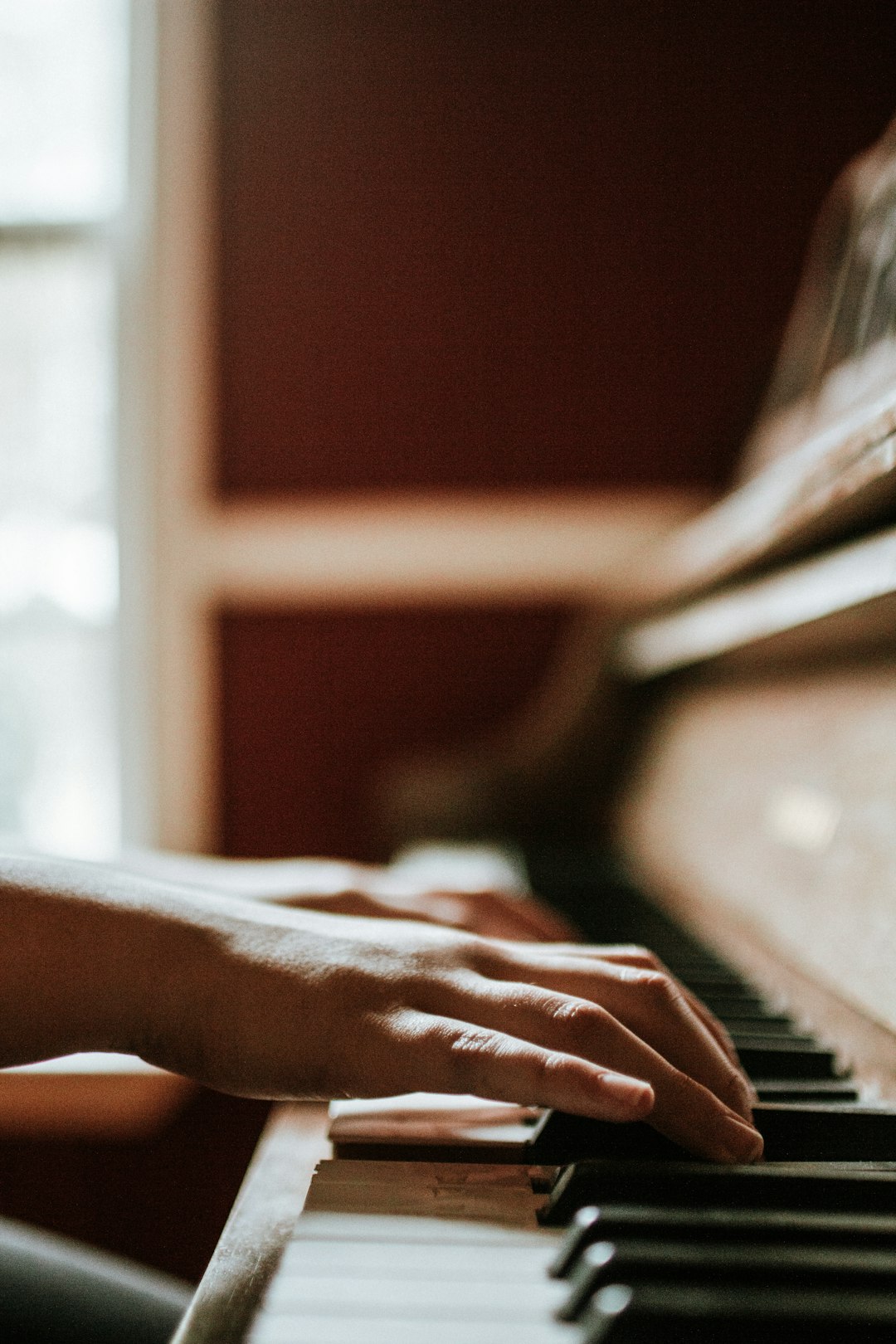
Yousician teaches piano with a game-like system. Notes move across the screen, and the learner plays in time. Scores, stars, and levels keep practice active.
It is good for rhythm and daily practice. It also supports other instruments, which helps families that have guitar or ukulele players too. The downside is that the screen can feel busy. Some learners focus more on chasing points than reading music properly.
Yousician is best for beginners who need motivation. It keeps practice from feeling dry. It may not be the best fit for someone who wants a classic lesson style.
5. Piano Marvel
Piano Marvel is less flashy, but it is serious. It focuses on sight reading, timing, accuracy, and graded progress. Many teachers use it with students because it tracks performance in detail.
Its biggest strength is music reading. Beginners who want to read sheet music should give it a close look. It can feel plain compared with Simply Piano, but that is not always bad. Less sparkle often means fewer distractions.
Best practice routine for beginners
A beginner should not practice for an hour on day one. That often ends with sore hands and frustration. A better routine is short and repeatable.
- 5 minutes: finger warmups and simple scales.
- 5 minutes: note reading or rhythm clapping.
- 10 minutes: app lesson work.
- 5 minutes: one song section, played slowly.
That is 25 minutes per session. Four sessions per week beats one long weekend session. The brain needs repeats, not panic.
Which app is best for music reading?
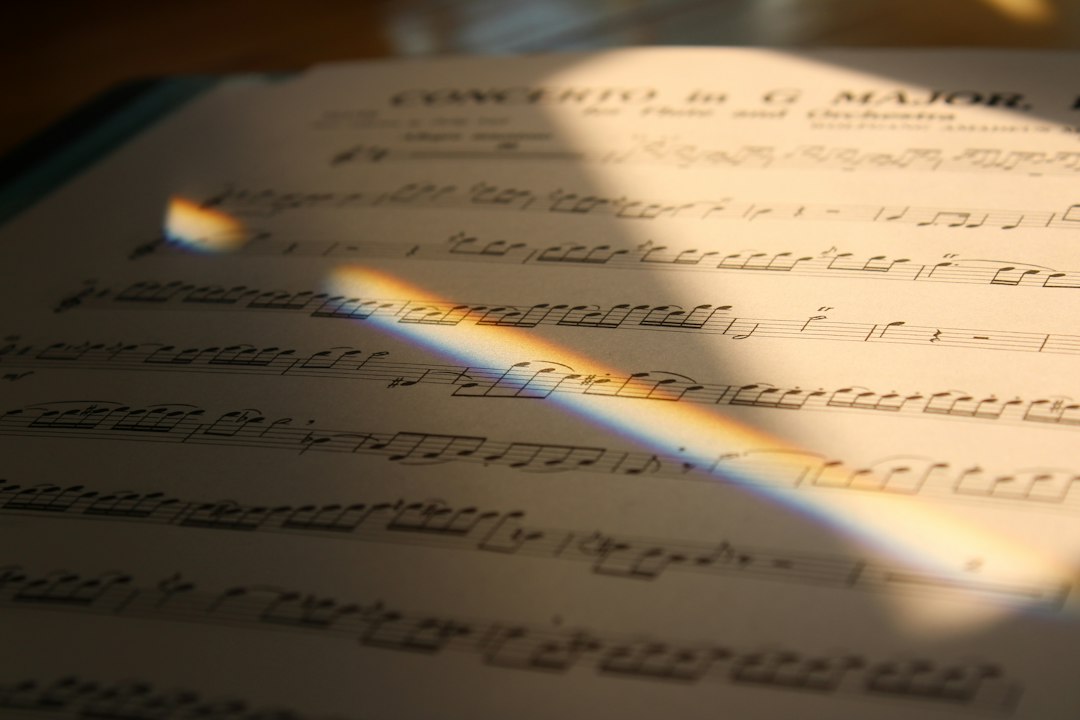
Piano Marvel and Skoove are the strongest choices for reading music. Skoove is more beginner friendly. Piano Marvel is better for learners who want measurable accuracy.
Simply Piano introduces reading in a gentle way, but it can feel more like pattern matching at first. Flowkey shows sheet music, yet many users may copy the hand videos instead of reading the notes. That is useful, but it is not the same skill.
Final pick
For most beginners, Skoove is the safest first choice. It has structure, feedback, songs, and reading practice. Simply Piano is better for kids and quick motivation. Flowkey is best when the learner wants a large song library and slower visual practice.
The best app is still the one that gets opened four times a week. A cheaper app used often beats a perfect app ignored after three days.
FAQ
Is Skoove better than Simply Piano?
Skoove is better for structured adult learning and music reading. Simply Piano is better for children and total beginners who want fast, friendly lessons.
Is Flowkey good for complete beginners?
Yes, but it is strongest for song practice. A complete beginner may want Skoove or Simply Piano first, then use Flowkey for extra songs.
Can these apps teach music reading?
Yes, but not equally. Skoove and Piano Marvel are stronger for reading notes. Flowkey is better for copying and practicing songs slowly.
Does a beginner need a real piano?
No. A digital keyboard with at least 61 keys works for starting out. Weighted keys are better if the learner plans to keep playing.
How long should beginners practice each day?
Most beginners do well with 20 to 30 minutes. Short, regular sessions work better than rare long sessions.