

Use search industry research as a filter, not a script. That is the practical lesson from Brodie Clark’s SEO insights and similar SERP research: watch what Google is testing, measure how it affects your own pages, then decide what deserves action. Modern SEO strategy should not be built on guesses, screenshots, or panic. It should be built on repeatable observation, controlled testing, and clear business outcomes.
TLDR: Brodie Clark’s work shows why SEOs need to study real search results, not just ranking reports. If research shows product grids expanding for commercial queries, an ecommerce team can test richer product schema, cleaner category copy, and stronger image assets before traffic drops. In one realistic case, a retailer tracking 500 priority keywords might find that 32% now trigger product focused SERP features, while organic clicks fall 14% on affected terms. That insight turns “Google changed again” into a specific testing plan.
Why Brodie Clark’s research matters
Brodie Clark is known in the SEO industry for careful analysis of Google features, especially changes that affect ecommerce, SERP visibility, and organic click behavior. His work often focuses on what many SEO teams miss: the actual shape of the search results page. That means product grids, local packs, image modules, perspectives, shopping elements, AI answers, and other features that can change user behavior even when rankings stay the same.
This matters because a traditional rank tracker can give a false sense of safety. A page may still rank third, yet lose clicks because Google has added a large visual module above it. A category page may hold position, while product cards steal attention. A publisher may keep impressions, while users get answers without clicking.
The frustrating part is that many tools still report “position 3” as if the page is untouched. In real search, that same result may sit below ads, filters, images, and an AI summary. That gap between tool data and user experience is where poor SEO decisions begin.
Turn SERP research into strategy
Search industry research becomes useful when it changes what a team does on Monday morning. The goal is not to collect interesting updates. The goal is to answer three hard questions:
- Which SERP changes affect our revenue or leads?
- Which page types are exposed? Category pages, product pages, guides, local pages, or reviews?
- What can we test within our control? Content, structured data, internal links, media, templates, or crawl access?
For example, if research shows Google expanding merchant related features, an ecommerce SEO team should not simply publish another blog post. It should audit product feeds, schema markup, image quality, availability data, shipping details, and review signals. The SERP is telling the team what type of information Google wants to show.
If research shows more visual results for “best” and “near me” queries, the response should be different. A local services brand may need stronger location pages, unique photos, comparison content, and better review acquisition. The insight is the same, but the action changes by intent.
Build a testing framework from search observations
Good SEO testing starts with a research backed hypothesis. Brodie Clark style SERP analysis can help shape that hypothesis. It can show whether Google is rewarding certain formats, expanding a feature, or changing query interpretation.
A useful SEO test might look like this:
- Observation: Product grid modules appear more often for “buy” and “discount” queries.
- Hypothesis: Pages with complete product data and stronger visual assets will gain more clicks from affected SERPs.
- Test group: 50 category pages with improved schema, images, and product availability signals.
- Control group: 50 similar pages left unchanged.
- Measurement period: 28 days after reindexing, compared with the prior 28 days.
- Success metric: Clicks, click through rate, revenue per landing page, and share of visible SERP features.
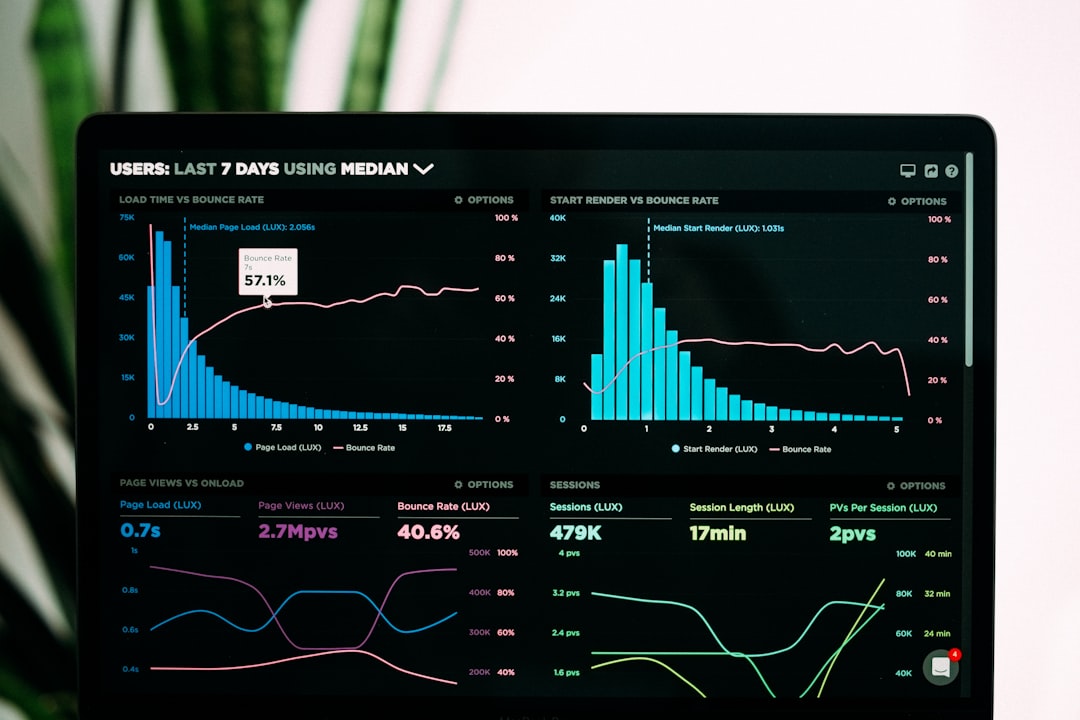
This structure keeps teams honest. It also reduces superstition. Without a control group, almost any SEO change can look successful during a seasonal lift. Without SERP tracking, a failed test may be blamed on content quality when the real issue is a new Google module taking clicks.
Use research to protect against false positives
SEO is full of noisy data. Rankings move. Demand changes. Competitors update pages. Google tests features for small user groups. A single screenshot proves very little.
That is why industry research should be treated as a signal source, not final proof. If Brodie Clark reports a SERP feature change, the next step is not instant sitewide implementation. The next step is validation against your own keyword set.
Ask these questions before acting:
- Do we see the same feature in our target country and device type?
- Does it affect high value queries or only long tail terms?
- Has click through rate changed, or only impressions?
- Are competitors gaining visibility inside the feature?
- Can we change page assets or data to qualify for the feature?
Honestly, it feels like wasted time when teams chase every public SEO alert without checking their own data first. A 20 minute validation step can prevent weeks of low value work.
What modern SEO teams should track
Modern SEO reporting should include more than rankings and sessions. It should connect SERP structure to user behavior and business value. A serious reporting setup should track:
- SERP feature presence: AI answers, product packs, video, images, local, shopping, forums, and reviews.
- Pixel depth: How far down the organic result appears on the screen.
- Query intent shifts: Informational queries becoming commercial, or commercial queries gaining comparison features.
- Page type performance: Templates should be evaluated separately.
- CTR by feature state: Compare keywords with and without major SERP modules.
- Revenue impact: Traffic loss is not equal across all queries.
This data helps SEO teams speak in business terms. Instead of saying, “Rankings are volatile,” the team can say, “Queries with product grids now produce 11% fewer organic clicks, and those queries represent $420,000 in monthly assisted revenue.” That gets attention.
Practical examples by site type
Ecommerce: Track product focused SERP changes. Test structured data, merchant feed quality, product imagery, review depth, and category page relevance. If Google shows more shopping modules, match the data format and improve the assets users see first.
Publishers: Watch AI summaries, visual modules, and forum results. Test first hand experience, author clarity, original images, concise answer blocks, and stronger internal links. Do not rely only on long articles. Some SERPs now reward sharp, source backed sections.
Local businesses: Monitor local packs, map results, reviews, and service area changes. Test location page detail, service specificity, review responses, photos, and Google Business Profile accuracy. For local SEO, the SERP often changes before analytics tells the full story.

How to apply this without overreacting
A balanced workflow works best. Set a weekly time block for industry research. Review trusted sources, including detailed SERP studies from practitioners such as Brodie Clark. Then tag each finding as one of three types:
- Monitor: Interesting, but no current impact.
- Validate: Possible effect on priority keywords.
- Test: Clear match with business critical queries.
This keeps research useful. It also stops SEO roadmaps from becoming a pile of disconnected reactions. Search changes often, but strategy should still be calm.
The real value of search industry research
The best SEO insights do not hand you a universal checklist. They improve your questions. Brodie Clark’s research is useful because it pushes teams to inspect the actual search results, not just exported ranking tables. That habit is now essential.
Search strategy should start with evidence. Testing should follow. Action should be tied to revenue, leads, or qualified visibility. When teams work this way, industry research becomes more than news. It becomes an early warning system, a source of test ideas, and a guardrail against expensive assumptions.