
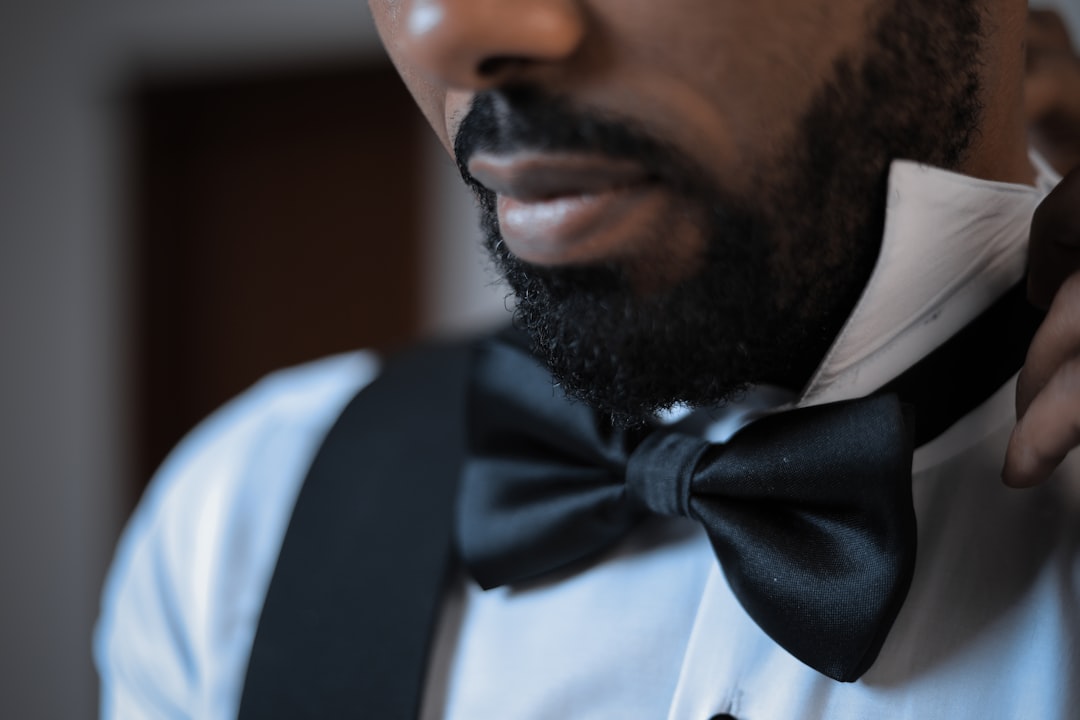
A bow tie has a way of making formalwear feel intentional. Whether you are dressing for a black-tie wedding, a gala, a formal dinner, or your own walk down the aisle, the right bow tie can sharpen your entire look. The secret is not just choosing a good fabric or color; it is learning how to tie it properly so it looks elegant, balanced, and naturally confident.
TLDR: The best way to tie a bow tie for formal events and weddings is to use the classic self-tie method, creating a slightly asymmetrical bow that looks refined rather than stiff. Choose a silk, satin, grosgrain, or velvet bow tie depending on the formality of the event and pair it carefully with your collar and lapels. Practice before the event, adjust the size to suit your face, and aim for a neat but not overly perfect finish.
Why a Self-Tied Bow Tie Is Best for Formal Events
For weddings and formal occasions, a self-tied bow tie is almost always the best choice. Pre-tied bow ties may be convenient, but they often look too flat, too symmetrical, and too obviously manufactured. A hand-tied bow has subtle character: one side may sit a fraction higher, the folds may have a soft curve, and the knot has depth. These small imperfections are exactly what make it look sophisticated.
In formalwear, details matter. A self-tied bow tie signals that you have taken the time to dress properly. It pairs beautifully with tuxedos, dinner jackets, three-piece suits, and wedding attire. For grooms, groomsmen, fathers of the bride or groom, and guests attending an upscale celebration, learning this skill is well worth the effort.
Choosing the Right Bow Tie Before You Tie It
Before you master the knot, choose a bow tie that suits the event. A beautiful knot will only look its best if the fabric, size, and shape are appropriate.
- Silk: The most classic formal option. Smooth silk works well for black-tie events, evening weddings, and elegant receptions.
- Satin: Shiny and polished, satin is excellent with tuxedo lapels, especially if the lapels are also satin-faced.
- Grosgrain: A ribbed fabric with a more understated texture. It is refined, less glossy, and ideal for traditional black tie.
- Velvet: Rich and seasonal, velvet is best for winter weddings, holiday galas, and evening events with a luxurious dress code.
- Cotton or linen: Better for daytime, garden, or semi-formal weddings, though usually not appropriate for strict black tie.
The most versatile shape is the butterfly bow tie, which has a full, classic silhouette. A batwing bow tie is slimmer and more minimalist, while a diamond point bow tie adds personality with pointed ends. For formal events and weddings, the butterfly shape is usually the safest and most timeless choice.
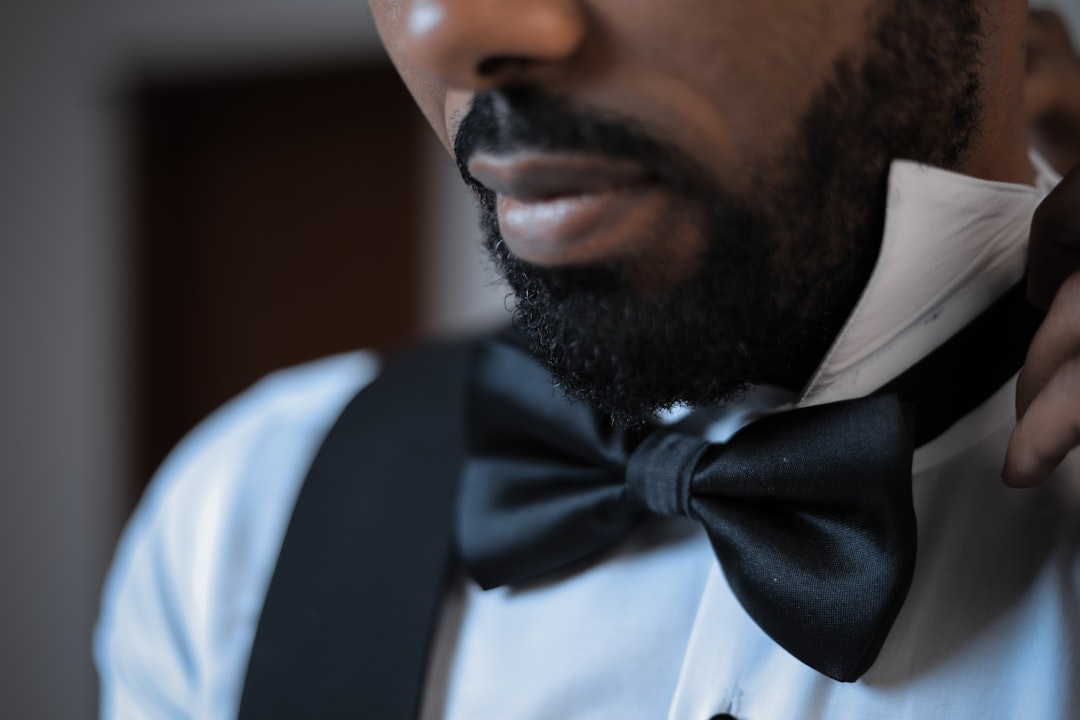
How to Tie a Bow Tie: Step-by-Step
The classic bow tie knot may seem complicated at first, but it follows a logical sequence. Think of it as tying your shoes, but around your neck and with more attention to shape. Stand in front of a mirror, keep your collar flipped up, and make sure the bow tie is adjusted to your neck size before you begin.
- Drape the bow tie around your neck. One end should hang slightly longer than the other, usually by about 1.5 to 2 inches. The longer end will do more of the work.
- Cross the longer end over the shorter end. Form an X shape just below your collar.
- Bring the longer end up through the neck loop. Pull it snug, but not tight. Let this longer end rest over your shoulder or hang temporarily out of the way.
- Form the front bow. Take the shorter end and fold it horizontally at its widest point, creating the front loop of the bow. Hold it in place against your collar.
- Drop the longer end over the center. Bring the longer end down over the middle of the bow shape. This creates the central band of the knot.
- Fold the longer end into a bow shape. Pinch it at its widest point, just as you did with the front section.
- Push the folded longer end through the loop behind the front bow. There will be a small opening behind the central knot. Push the folded fabric through carefully.
- Tighten and adjust. Pull opposite loops and ends gently until the bow tightens. Adjust the shape until it sits evenly and comfortably.
The most common mistake is trying to make the bow perfect too early. First, get the structure right. Once the knot is secure, then refine the loops, flatten any twisted fabric, and balance the ends.
The Ideal Bow Tie Shape for Weddings
For weddings, your bow tie should look polished but not rigid. A hand-tied bow that is slightly uneven looks far more elegant than one that appears clipped on. The finished width should generally be close to the width of your face, not extending far beyond your outer eyes and not sitting too narrow under your chin.
If you are the groom, consider the overall tone of your outfit. A black silk bow tie with a tuxedo is timeless and dramatic. A white bow tie belongs to white-tie dress codes, which are much more formal and rare. For a modern wedding suit, a deep navy, burgundy, forest green, ivory, or patterned bow tie may work beautifully, especially if it complements the wedding palette without looking costume-like.
For groomsmen, consistency matters. If everyone is wearing bow ties, make sure they are all tied at a similar size. They do not need to be identical in every fold, but the general shape should be coordinated. A useful tip is to have one person who knows the technique help the group before photos begin.
Matching Your Bow Tie with Collar and Lapels
A bow tie should work in harmony with your shirt collar and jacket lapels. For black-tie events, a turndown collar shirt is the most contemporary and versatile option. It frames the bow tie cleanly and looks elegant in photographs. A wing collar is more traditional and formal, but it must be worn carefully; if the bow tie is sloppy or the collar wings sit awkwardly, the look can feel dated.
Your lapels also matter. A tuxedo with peak lapels has a strong, formal presence and pairs well with a classic black bow tie. Shawl lapels are smooth and elegant, often ideal for weddings and evening receptions. If your jacket has satin lapels, a satin or silk bow tie can create a coordinated finish. If your lapels are grosgrain, a grosgrain bow tie is an excellent match.
How Tight Should a Bow Tie Be?
A bow tie should sit snugly around the neck without causing discomfort. If it is too loose, it will droop and leave gaps around the collar. If it is too tight, it can pull the collar awkwardly and become uncomfortable during a long ceremony or reception.
After tying it, you should be able to slip one finger comfortably under the band at the back of your neck. The knot should sit centered between the collar points, and the bow should not tilt dramatically unless you are intentionally going for a relaxed look. For formal events, aim for controlled character: neat, balanced, and natural.
Common Bow Tie Mistakes to Avoid
Even a high-quality bow tie can look wrong if it is tied carelessly. Avoid these common mistakes before heading to a wedding or formal event:
- Wearing a pre-tied bow tie with a tuxedo: It can look too artificial, especially in close-up photos.
- Choosing the wrong size: An oversized bow can look theatrical, while one that is too small may appear childish.
- Leaving the knot loose: A drooping bow tie makes even expensive formalwear look untidy.
- Ignoring fabric texture: A casual cotton bow tie may clash with a formal tuxedo.
- Waiting until the event to practice: The morning of a wedding is not the best time to learn under pressure.
Another subtle mistake is over-adjusting. Many people keep pulling at the bow until the fabric becomes wrinkled or the knot looks strained. Once it is secure and visually balanced, stop fussing with it. A bow tie should look composed, not tortured into place.
Practice Makes the Knot Look Effortless
The best way to tie a bow tie confidently is to practice several times before the event. Try tying it while wearing the actual shirt you plan to use, because collar height and neck fit can affect the final look. If possible, practice in good lighting and take a quick photo from the front. Mirrors can be misleading, while photos show how the bow tie will actually appear to others.
It is also helpful to untie and retie the bow rather than simply loosening it and slipping it over your head. Repetition builds muscle memory. After a few attempts, your hands will begin to understand where the loop forms and how much pressure is needed to tighten the knot.
Final Touches Before You Leave
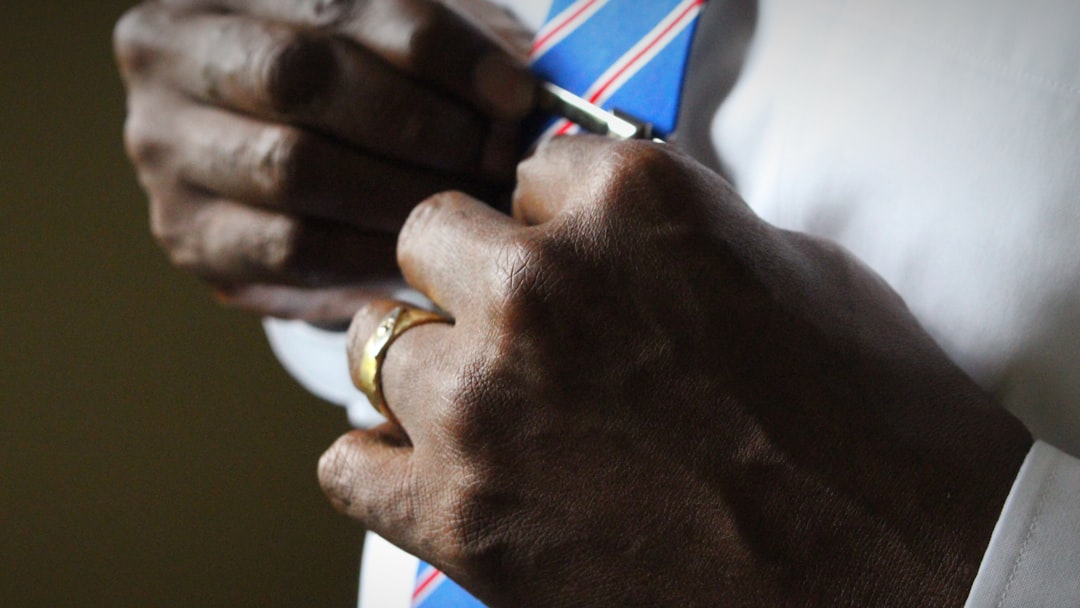
Once your bow tie is tied, fold your collar down and check the full outfit. Make sure your shirt placket is straight, your jacket lapels lie flat, and the bow tie appears centered. If you are wearing a pocket square, cufflinks, boutonniere, or waist covering, the bow tie should complement these accessories rather than compete with them.
For weddings, consider the photography schedule. Bow ties often shift slightly during hugs, dancing, and travel, so check yours before formal portraits. If you are the groom, ask your best man or a trusted friend to keep an eye on it throughout the day. A quick adjustment before photos can make a noticeable difference.
The Best Bow Tie Style for Different Formal Dress Codes
Dress codes can be confusing, but the bow tie often provides the clearest signal of formality. For black tie, choose a black self-tie bow tie in silk, satin, or grosgrain. For creative black tie, you may introduce a subtle texture or dark color, but keep the overall look refined. For formal or black-tie optional weddings, a dark bow tie with a well-tailored suit can work beautifully. For semi-formal weddings, you have more freedom with color, pattern, and fabric.
If the event invitation is unclear, it is better to be slightly overdressed than underdressed. A tasteful bow tie rarely looks out of place at an elegant wedding, especially when paired with a crisp shirt and well-fitted jacket.
Conclusion: Tie It Yourself and Wear It Well
The best way to tie a bow tie for formal events and weddings is to embrace the classic self-tie method. It may take a little patience, but the result is worth it: a bow tie with depth, personality, and timeless charm. Choose the right fabric, match it to your outfit, practice before the occasion, and aim for a balanced shape that looks elegant without being overly perfect.
A well-tied bow tie does more than complete an outfit. It shows care, confidence, and respect for the occasion. Whether you are standing at the altar, giving a toast, posing for formal portraits, or arriving as a guest, a properly tied bow tie helps you look ready for the moment.