
The best time to post on Instagram on Tuesday is usually between 9:00 AM and 11:00 AM in your audience’s local time, with a second test window around 6:00 PM to 8:00 PM. Treat that as a starting point, not a rule. Your best Tuesday slot depends on when your followers are active, how fast they engage, and whether your content is aimed at work breaks, commuting hours, shopping intent, or evening browsing.
TLDR: Start Tuesday testing at 9:00 AM, 10:00 AM, and 7:00 PM, then confirm the winner in Instagram Insights and a scheduler such as Buffer. For example, a small fitness brand might find that Tuesday 10:00 AM posts get a 4.8% engagement rate, while 7:00 PM posts get 3.1%, even though Buffer suggests evening posting. Use tool recommendations for first tests, but trust your own account data after two to four weeks.
Why Tuesday posting time matters
Tuesday is often a strong Instagram day because users have moved past Monday catch-up mode but are not yet distracted by end-of-week plans. People check feeds during work breaks, lunch, and after dinner. That creates several useful windows.
For many accounts, Tuesday is not the highest reach day, but it can be more stable than Friday or Sunday. B2B brands often see better weekday performance. Lifestyle, food, beauty, and retail accounts may see stronger evening activity. Creators who publish educational Reels can do well in the morning, when users save posts for later.
The catch is that “best time” charts hide your real audience behavior. A global benchmark may say 9:00 AM is ideal, but if 60% of your followers are students, parents, night-shift workers, or users in another country, that advice can miss badly.
Instagram Insights: the most reliable first source
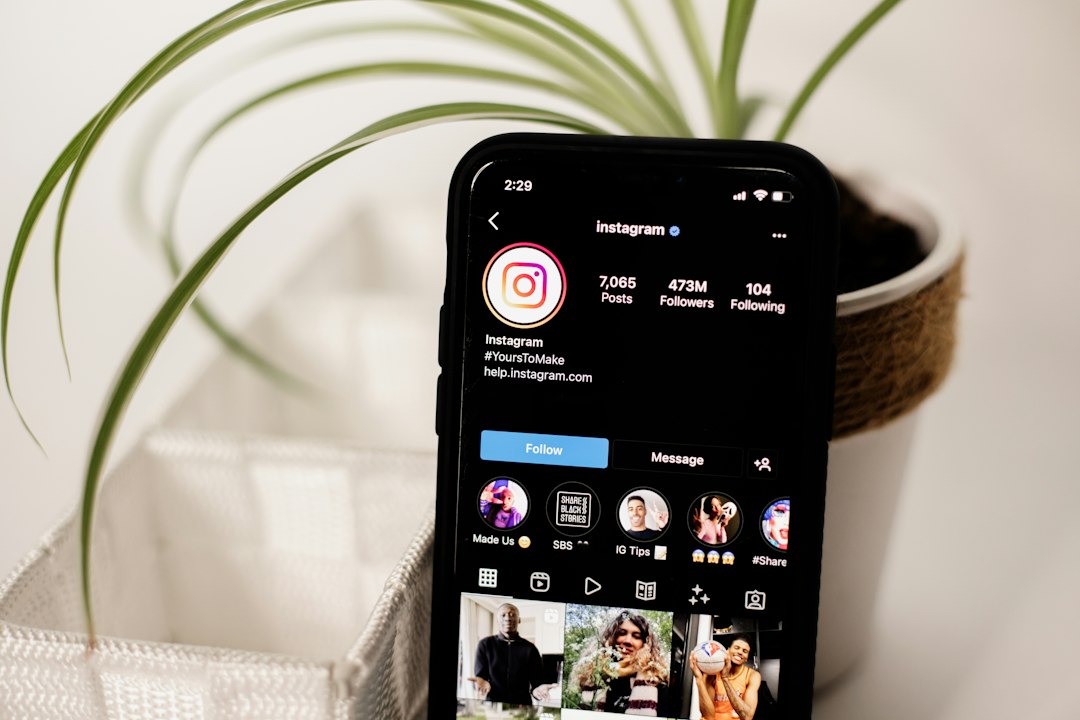
Instagram Insights should be your primary reference because it shows data from your actual followers. It is not guessing from broad industry averages. It is showing when your audience was active and how your posts performed.
To check Tuesday activity inside Instagram:
- Open your professional Instagram profile.
- Tap Professional dashboard.
- Go to Insights.
- Review Total followers and audience activity.
- Look at the most active times by day and hour.
Instagram Insights is best for answering one question: “When are my followers active?” That is useful, but it is not the same as asking, “When do my posts get the best results?” A post can go live when users are active and still flop if the creative is weak, the hook is slow, or the caption gives people no reason to respond.
Use Insights to shortlist Tuesday time slots. Then compare post-level results such as reach, likes, comments, shares, saves, profile visits, and follows. Saves and shares often matter more than likes, especially for Reels and educational carousels.
Buffer: useful for planning, weaker for deep diagnosis
Buffer is useful if you want a clean way to schedule posts and compare performance across days. It can suggest posting times based on past results and general engagement patterns. For small teams, this saves time and keeps publishing consistent.
Buffer works well for:
- Scheduling Tuesday posts without logging in manually.
- Comparing performance across multiple planned slots.
- Keeping a steady content calendar for Reels, carousels, and image posts.
- Reviewing basic analytics in a simpler format than Instagram’s native screens.
Still, Buffer has limits. It cannot fully explain why one Tuesday post beat another. A 10:00 AM carousel may win because the timing was better, or because the first slide was stronger. A Reel posted at 7:00 PM may underperform because the opening two seconds were dull. Timing matters, but content quality still does most of the work.
Honestly, it feels like some scheduling tools make timing sound more exact than it is. A recommended slot of 9:13 AM may look scientific, but for most accounts, testing 9:00 AM versus 10:00 AM is more practical than chasing minute-level precision.
Instagram Insights vs Buffer: which should you trust?
Trust Instagram Insights for follower activity. Trust Buffer for scheduling discipline and easier reporting. Use both if you can.
| Tool | Best use | Main weakness |
|---|---|---|
| Instagram Insights | Finding when your followers are active | Can be limited for long-term comparison and workflow |
| Buffer | Scheduling and tracking post performance | Recommendations may be too broad for small data sets |
| Later | Visual planning and content calendars | Best features often sit behind paid plans |
| Hootsuite | Team workflows and multi-platform reporting | Can feel heavy for solo creators |
| Metricool | Clear analytics and competitor tracking | Needs clean tagging and review habits |
| Sprout Social | Advanced reporting for larger teams | Pricing can be too high for small accounts |
A practical Tuesday testing plan
Do not test ten time slots at once. You will create noise. Pick three Tuesday slots and test them for at least four weeks.
A strong starting plan is:
- Week 1: Tuesday at 9:00 AM
- Week 2: Tuesday at 10:00 AM
- Week 3: Tuesday at 12:00 PM
- Week 4: Tuesday at 7:00 PM
If you post more than once on Tuesday, separate posts by at least six hours. Avoid publishing two similar posts in close succession, since they can compete with each other. Keep the content format as consistent as possible during testing. Compare Reel to Reel, carousel to carousel, and photo to photo.
Track these metrics:
- Reach after 24 hours
- Engagement rate based on reach
- Saves and shares
- Profile visits
- Follows gained
- Website taps or link clicks, if relevant
How to read the results without fooling yourself
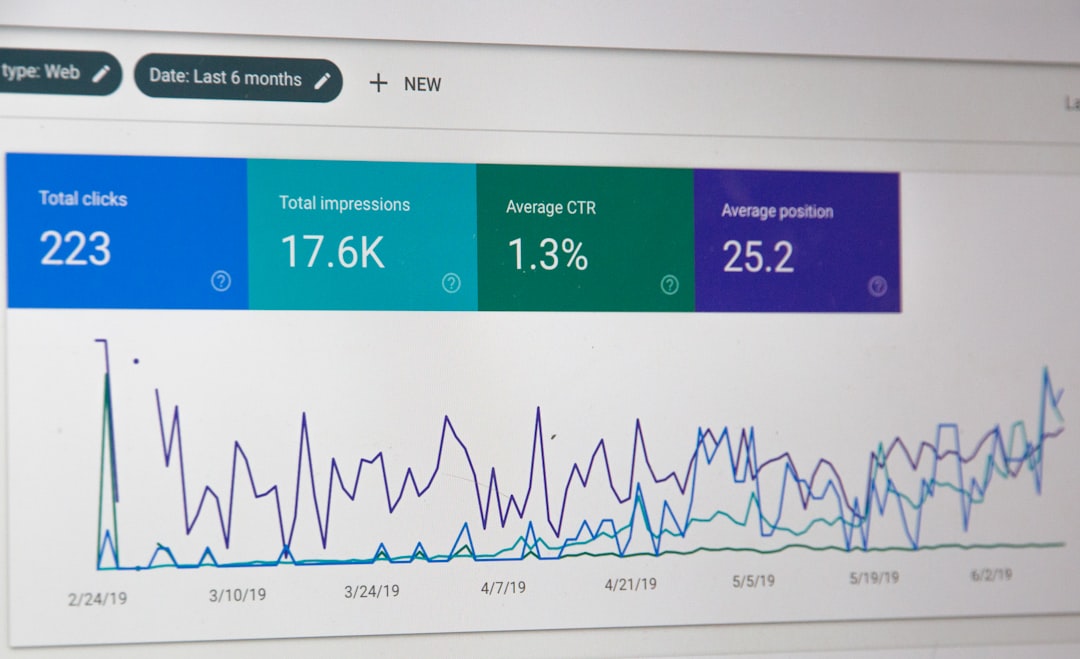
A single strong post does not prove that a time slot is best. It may only prove that the post was good. Look for patterns across similar content.
For example, suppose an ecommerce account tests four Tuesday slots over one month:
- 9:00 AM: 8,200 reach, 3.9% engagement
- 10:00 AM: 9,600 reach, 4.6% engagement
- 12:00 PM: 7,400 reach, 3.2% engagement
- 7:00 PM: 8,900 reach, 4.1% engagement
In that case, 10:00 AM looks strongest. But the 7:00 PM slot is close enough to keep testing, especially for product launches, discount reminders, or posts aimed at shoppers after work.
Best Tuesday times by account type
Use these as starting points if your account has limited data:
- B2B and professional services: 8:00 AM to 10:00 AM
- Fitness and wellness: 6:00 AM to 9:00 AM, or 6:00 PM
- Food and restaurants: 11:00 AM to 1:00 PM, or 5:00 PM to 7:00 PM
- Fashion and beauty: 10:00 AM to 12:00 PM, or 7:00 PM
- Education and coaching: 9:00 AM to 11:00 AM
- Local businesses: Test based on opening hours and local routines
Time zone matters. If your account serves one city, post in that city’s time. If your audience is spread across countries, choose the time zone where your highest-value followers live. That may not be where the most followers live. A brand with 40% of followers in the United States and 25% in the United Kingdom may still prioritize U.S. time if U.S. followers buy more often.
Final recommendation
Start Tuesday with 9:00 AM to 11:00 AM as your main test window. Add 7:00 PM if your audience shops, scrolls, or watches Reels after work. Use Instagram Insights to identify follower activity, then use Buffer or another scheduler to run clean tests and keep records.
The serious answer is not a single magic hour. It is a repeatable testing process. If Tuesday matters to your content plan, test for a month, compare similar posts, and let your own numbers decide.