

Pick SerpApi for speed, DataForSEO for volume, and Bright Data when you want serious scraping muscle. SERP APIs help you collect search results without copying pages by hand like it is 2009. Google processes around 8.5 billion searches per day, so even a tiny slice of search data can show huge market signals [source: Internet Live Stats].
TLDR: SERP APIs turn search results into clean data. They can track rankings, ads, snippets, maps, images, shopping results, and competitors. For example, an SEO team tracking 2,000 keywords across 10 cities could pull 20,000 SERPs daily and spot ranking drops within hours. My simple pick: SerpApi for ease, DataForSEO for scale, Bright Data for tough jobs.
The 6 standout SERP APIs
Search result pages are messy. Ads move. Maps appear. AI answers pop in. Local packs act weird. It drives me a bit mad when a report says “position 3,” but the real page has ads, videos, and a giant shopping box above it.
That is why SERP APIs are useful. They fetch search results for you. Then they return structured data. Usually in JSON. Nice. Clean. Calm.
1. SerpApi
Best for: teams that want something easy and quick.
SerpApi is one of the friendliest tools in this group. The setup is simple. The docs are clear. You can pull Google Search, Google Maps, Google Images, Google Shopping, Bing, YouTube, and more.
- Good: Very easy to start.
- Good: Supports many search types.
- Annoying bit: Costs can rise fast if you run heavy checks every day.
Use it if you need ranking checks, SERP feature tracking, or competitor snapshots without a painful build.
2. DataForSEO SERP API
Best for: agencies, SEO platforms, and bulk data jobs.
DataForSEO feels built for people who live inside spreadsheets and dashboards. It supports many search engines, locations, languages, and device types. You can run large keyword sets and collect clean ranking data.
- Good: Strong pricing for bulk work.
- Good: Great for SEO software builders.
- Annoying bit: The feature list is big, so setup can feel a little heavy at first.
Pick this one if your team tracks thousands of keywords. It is serious, but not scary.
3. Bright Data SERP API
Best for: hard targets, global tracking, and large web data teams.
Bright Data is known for data collection at scale. Its SERP API can handle search data from many locations. It is a strong choice for brands that need steady results across countries, devices, and search types.
- Good: Strong global reach.
- Good: Built for large jobs.
- Annoying bit: It may feel like too much machine for a small SEO task.
Use it for market research, price tracking, brand monitoring, and bigger research projects.
4. Oxylabs SERP Scraper API
Best for: reliable enterprise search scraping.
Oxylabs is another strong option for teams that need scale. It can collect Google search data from many places and return structured results. It also handles a lot of the ugly stuff behind the scenes, like blocks and retries.
- Good: Built for reliability.
- Good: Useful for big data pipelines.
- Annoying bit: Smaller teams may not need this much power.
Honestly, it feels like renting a truck to move one chair if you only track 50 keywords. But for big jobs, it makes sense.
5. Scale SERP
Best for: developers who want Google SERP data without drama.
Scale SERP keeps things simple. It focuses on Google search results and gives you structured data through an API. It supports locations, devices, and common SERP items.
- Good: Clean API style.
- Good: Fair option for rank trackers.
- Annoying bit: It is not the flashiest tool here.
That is not a bad thing. Sometimes boring is perfect. Boring means fewer fires.
6. Serpstack
Best for: simple projects and budget-friendly SERP checks.
Serpstack is a lighter SERP API. It is good for developers who need basic Google result data. You can get organic results, paid results, local data, news, images, and more.
- Good: Simple to use.
- Good: Easy fit for small apps.
- Annoying bit: Advanced users may outgrow it.
Use it for quick tools, side projects, internal dashboards, or smaller SEO reports.
How to choose the right one
Do not start with the brand name. Start with the job.
- Need fast setup? Try SerpApi.
- Need bulk keyword tracking? Try DataForSEO.
- Need global scale? Try Bright Data or Oxylabs.
- Need a clean developer tool? Try Scale SERP.
- Need something small and simple? Try Serpstack.
What data can you collect?
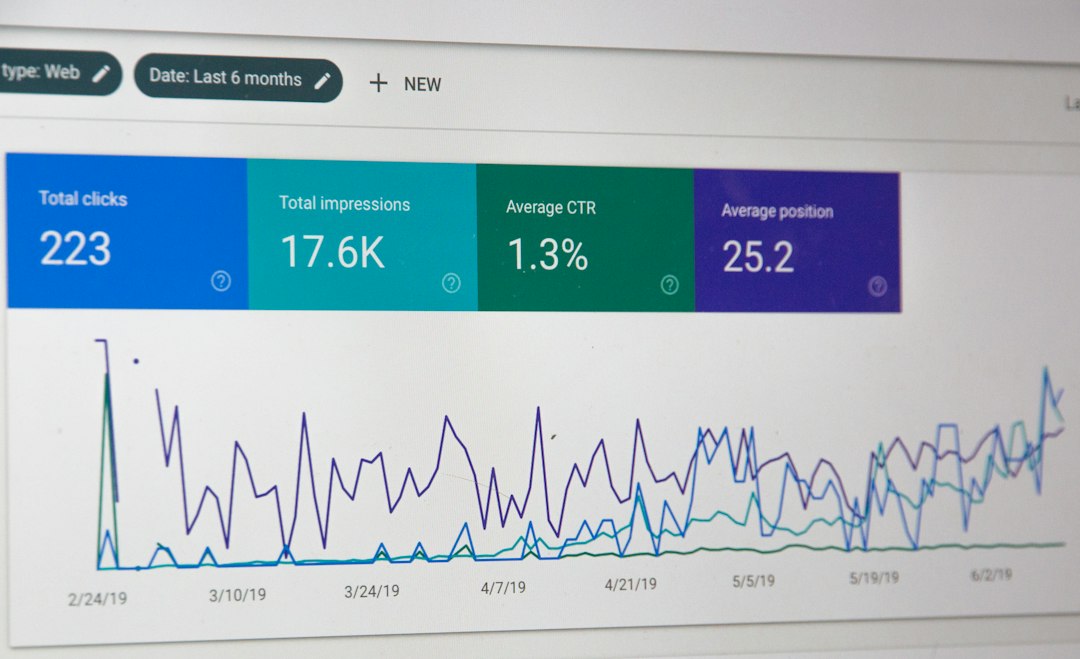
Most SERP APIs can collect more than blue links. That matters. A page can have ads, maps, videos, “People also ask,” shopping boxes, images, and rich snippets.
Here are common data points:
- Organic rankings
- Paid ads
- Local map packs
- Featured snippets
- Search volume checks when paired with other tools
- Competitor URLs
- Titles and snippets
Final pick
If you want the easiest start, choose SerpApi. If you want scale and SEO depth, choose DataForSEO. If your company needs heavy data collection across many regions, choose Bright Data or Oxylabs.
For most teams, the winner is the one that saves time. If it cuts manual checks by 80%, that is already a win. Your rankings change while you sleep. Your data tool should keep up.