
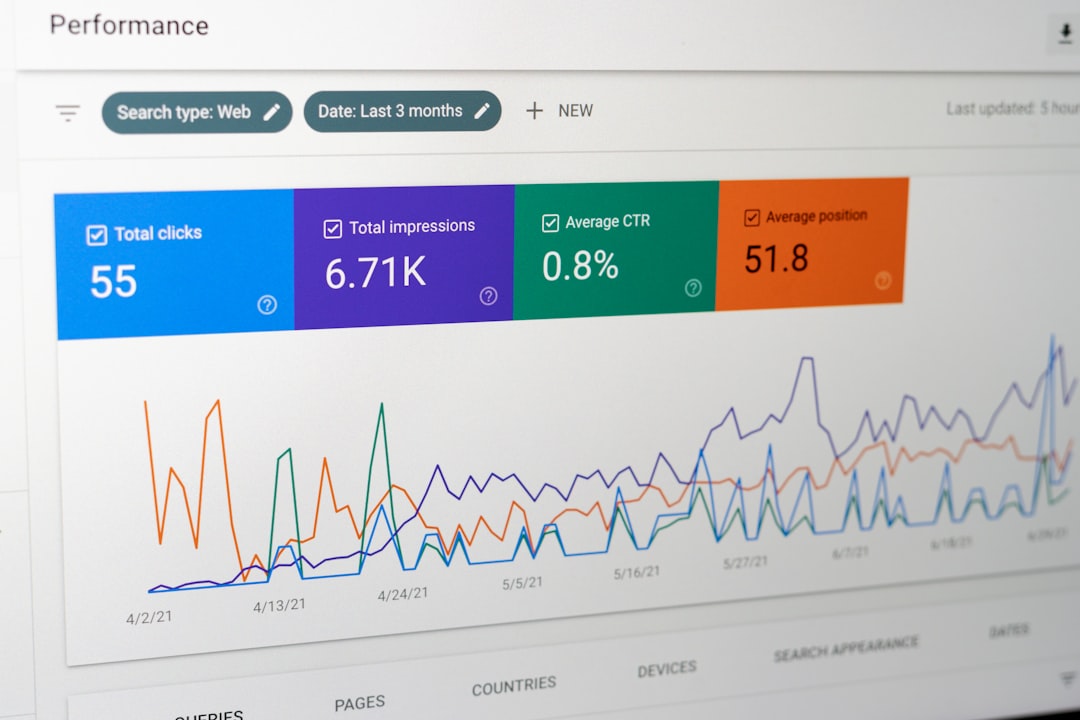
Artificial intelligence has changed media monitoring from a slow, manual process into a real-time intelligence engine. Today’s best AI-powered media and sentiment analysis tools can scan news sites, social networks, podcasts, forums, reviews, and broadcast content to reveal what people are saying, how they feel, and which conversations are gaining momentum. For brands, agencies, PR teams, and product leaders, these platforms are no longer just “nice to have” dashboards; they are decision-making systems.
TLDR: AI-powered media and sentiment analysis tools help organizations track brand mentions, identify public opinion, detect crises early, and measure campaign impact. For example, a retail brand might use one of these tools to discover that negative sentiment around delivery times rose by 32% after a holiday promotion, allowing the team to respond before the issue becomes a reputational problem. The best platforms combine real-time monitoring, sentiment scoring, trend detection, competitive benchmarking, and smart reporting. Choosing the right tool depends on your channels, team size, budget, and need for accuracy.
Why AI Media and Sentiment Analysis Matters
Traditional media monitoring told organizations where they were mentioned. AI-powered analysis goes much further by explaining what the mention means. Is the article favorable? Is the tweet sarcastic? Are customers angry about pricing, excited about a product update, or confused by a policy change?
Modern tools use natural language processing, machine learning, topic modeling, entity recognition, and sometimes generative AI to turn massive volumes of unstructured content into useful insights. Instead of reading thousands of posts manually, teams can see sentiment shifts, conversation themes, influencer impact, and emerging risks within minutes.
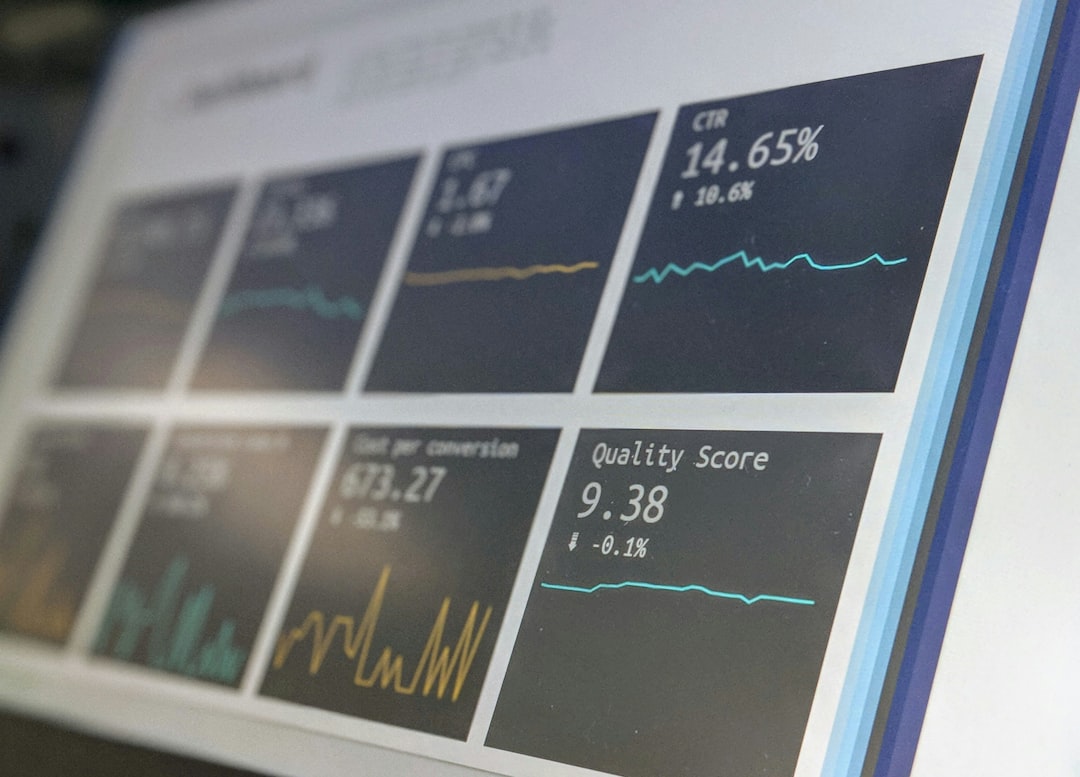
Key Features to Look For
Before comparing specific tools, it helps to know which capabilities matter most. The strongest platforms usually include:
- Real-time monitoring: Tracks mentions across news, social media, blogs, forums, broadcast, and review platforms as they happen.
- Sentiment analysis: Classifies mentions as positive, negative, or neutral, often with emotional categories such as anger, joy, trust, or frustration.
- Topic and trend detection: Identifies recurring themes and fast-growing conversations.
- Competitive benchmarking: Compares your brand reputation, share of voice, and sentiment against competitors.
- Influencer and journalist tracking: Shows which people or publications are shaping public perception.
- Alerts and crisis detection: Notifies teams when negative sentiment spikes or unusual activity appears.
- Reporting and visualization: Turns insights into executive-ready charts, summaries, and campaign reports.
1. Brandwatch
Brandwatch is one of the most established platforms for social listening and digital consumer intelligence. It is especially useful for large brands, agencies, and enterprises that need deep analysis across many markets and languages.
The platform excels at tracking online conversations, identifying audience segments, and analyzing sentiment at scale. Its AI capabilities help group conversations into themes, detect anomalies, and surface insights that might otherwise be buried in millions of mentions. Brandwatch is particularly strong for campaign analysis, consumer research, and competitive intelligence.
Best for: Enterprise social listening, brand health tracking, and advanced audience insights.
2. Meltwater
Meltwater combines media monitoring, social listening, PR analytics, and influencer management in one platform. It is widely used by communications teams that need to track both traditional media and digital conversations.
Its AI helps users analyze sentiment, discover trending stories, monitor journalists, and generate reports. Meltwater is useful for teams that want to understand how a media narrative develops across news outlets and social networks. It also offers strong global coverage, which makes it attractive for multinational organizations.
Best for: PR teams, communications departments, and global media monitoring.
3. Talkwalker
Talkwalker is known for its strong visual analytics and broad data coverage. In addition to text-based monitoring, it can analyze images, videos, and logos, which is valuable for brands that appear frequently in visual media.
The platform uses AI to detect sentiment, track viral conversations, and evaluate brand visibility across channels. For example, a beverage company can monitor not only written mentions of its product but also images where its logo appears at events or on social posts. This gives a more complete view of brand exposure.
Best for: Visual listening, consumer insights, and global brand tracking.
4. Sprinklr
Sprinklr is an enterprise-grade customer experience management platform with powerful social listening and sentiment analysis features. It is built for organizations that manage many brands, markets, support teams, and social channels from a single system.
Its AI can classify messages, route customer issues, detect sentiment, and help teams respond faster. Sprinklr is especially useful when media intelligence needs to connect with customer care, advertising, and marketing workflows. The platform can be complex, but for large organizations, that depth is often a major advantage.
Best for: Large enterprises integrating social listening with customer experience and support.
5. Cision
Cision is a major name in public relations software, offering media monitoring, journalist databases, press release distribution, and analytics. Its sentiment analysis tools help PR professionals evaluate how coverage affects brand reputation.
Cision is particularly valuable for teams focused on earned media. Users can track coverage volume, publication quality, message pull-through, and sentiment by outlet or campaign. Its media database also makes it easier to identify journalists who are relevant to specific topics.
Best for: PR measurement, journalist outreach, and earned media analytics.
6. Hootsuite Insights
Hootsuite Insights, often powered through social listening integrations, is a practical choice for teams already using Hootsuite for social media management. It allows users to monitor brand mentions, track audience sentiment, and respond to conversations within a familiar workflow.
This may not be the deepest analytics platform for enterprise research, but it is accessible, user-friendly, and effective for small to mid-sized marketing teams. It helps bridge the gap between monitoring and action, allowing social teams to engage quickly when sentiment changes.
Best for: Social media teams that want monitoring and publishing in one environment.
7. Mention
Mention offers straightforward media monitoring for brands, startups, and agencies. It tracks mentions across the web and social media, provides sentiment analysis, and sends alerts when important conversations appear.
Its simplicity is one of its strengths. Smaller teams that do not need a heavy enterprise platform can still gain visibility into brand perception and detect potential issues early. Mention is also useful for monitoring competitors, campaign hashtags, and industry keywords.
Best for: Startups, small businesses, and lean marketing teams.
8. YouScan
YouScan stands out for its visual listening capabilities and consumer insight features. It can analyze images published on social media and detect objects, scenes, logos, and contexts related to a brand.
This is especially useful for lifestyle, retail, hospitality, and consumer goods companies. A brand might discover that customers often photograph its product at gyms, beaches, or work desks, revealing unexpected usage patterns. Combined with sentiment analysis, these insights can inform product positioning and advertising.
Best for: Consumer brands that need visual context and lifestyle insights.
9. LexisNexis Newsdesk
LexisNexis Newsdesk is a strong option for organizations that prioritize trusted news sources, regulatory topics, policy developments, and corporate intelligence. It offers extensive news coverage and analytical tools for tracking media narratives.
While some tools focus heavily on social media, LexisNexis is especially useful for teams that need reliable editorial content and archived media data. Legal, finance, government, and public affairs teams may find it particularly valuable.
Best for: News intelligence, policy monitoring, and corporate research.
10. MonkeyLearn
MonkeyLearn is different from traditional media monitoring platforms because it focuses on text analysis through customizable machine learning models. Teams can use it to classify feedback, analyze sentiment, extract keywords, and process survey responses, reviews, or support tickets.
It is a good option for companies that want more control over how sentiment models are trained and applied. For example, a SaaS business could analyze 10,000 customer support tickets to discover that negative sentiment is most frequently linked to billing confusion rather than product performance.
Best for: Custom text analytics, customer feedback analysis, and internal data workflows.

How to Choose the Right Tool
The best tool depends on your goals. If your main priority is PR coverage, platforms like Cision, Meltwater, or LexisNexis may be the strongest fit. If you need social listening and consumer insights, Brandwatch, Talkwalker, Sprinklr, or YouScan may be better. If you are a smaller team looking for practical monitoring, Mention or Hootsuite Insights can provide a faster path to value.
Accuracy is also important. Sentiment analysis is powerful, but it is not perfect. AI can struggle with sarcasm, slang, regional language, and industry-specific meanings. The best teams use sentiment scores as a guide, then review critical mentions manually when the stakes are high.
Final Thoughts
AI-powered media and sentiment analysis tools give organizations a clearer view of public perception in a world where opinions move quickly. They help teams spot risks, measure campaigns, understand customers, and make smarter communication decisions. Whether you are protecting a global brand or growing a startup, the right platform can turn noisy conversations into strategic intelligence.
The most successful users do not simply collect dashboards; they act on insights. When sentiment drops, they investigate. When a topic rises, they respond. When customers reveal unmet needs, they adapt. That is where AI media analysis becomes more than monitoring: it becomes a competitive advantage.