
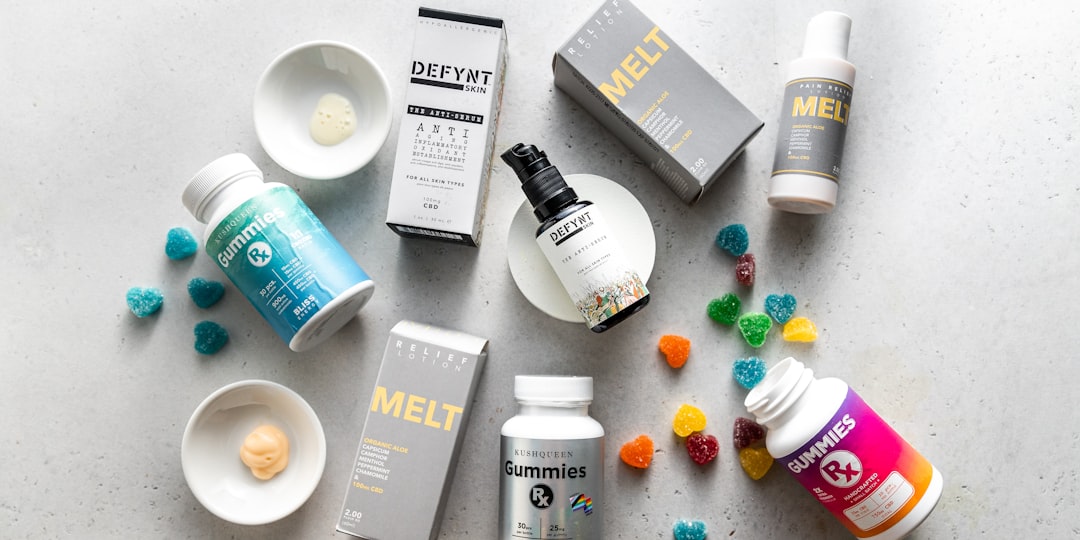
Direct mail remains one of the most practical marketing channels for CBD brands that need to build trust, reach local customers, and communicate carefully in a regulated category. While digital advertising restrictions can make online growth unpredictable, a well-planned mail campaign can put a clear, compliant message directly into the hands of qualified prospects. The key is to keep costs controlled, use accurate targeting, and design materials that feel professional rather than promotional or exaggerated.
TLDR: Affordable direct mail for CBD products is possible when brands focus on precise targeting, simple formats, compliant messaging, and measurable campaign tracking. Postcards, self-mailers, and small catalogs can help CBD retailers, wellness shops, and e-commerce brands reach customers without relying only on restricted digital ads. The strongest campaigns avoid medical claims, clearly present product information, and use testing to improve return on investment over time.
Why Direct Mail Still Matters for CBD Brands
CBD companies often face challenges that brands in other consumer categories do not. Paid social platforms may reject ads, search campaigns can be limited, and messaging rules can change with little notice. Direct mail provides a stable, physical channel that is not dependent on a single digital platform’s approval process.
For many consumers, CBD is still a product category that requires education and reassurance. A printed piece can explain what a product is, how it is sourced, where it is sold, and why the company is credible. Unlike a quick online ad, mail gives recipients time to read, compare, and consider. This makes it especially useful for products associated with wellness, lifestyle, relaxation, or personal routines.
Direct mail also works well for local CBD retailers. A shop can target households within a few miles, introduce a new location, promote an in-store event, or send a compliant discount offer. For e-commerce brands, mail can support customer retention by delivering reorder reminders, loyalty offers, and educational inserts to previous buyers.
Understanding Compliance Before You Mail
Affordability should never come at the expense of compliance. Before designing or mailing CBD promotional materials, brands should review federal, state, and local rules that may apply to hemp-derived products. In the United States, hemp products generally must comply with the applicable THC threshold, and marketers should be careful with any language that could be interpreted as a disease or treatment claim.
Trustworthy CBD mail campaigns avoid claims such as:
- “Treats anxiety”
- “Cures pain”
- “Prevents disease”
- “Guaranteed medical results”
- “Doctor-approved cure”
Instead, use measured language that focuses on product features, transparency, sourcing, and customer experience. For example, a brand might mention hemp-derived CBD, third-party lab testing, batch information, broad spectrum or full spectrum formulas, flavor options, serving sizes, or product formats. These points are informative without making unsupported health promises.
It is also wise to consult legal counsel or a compliance specialist before a major mailing. A campaign that is reviewed before printing is much less expensive than one that must be reprinted, withdrawn, or corrected after distribution.
Choosing Affordable Direct Mail Formats
The format of the mail piece has a direct impact on cost. A luxury booklet may look impressive, but it may not be necessary for every campaign. Many CBD businesses can start with simpler formats that are cost-effective and easy to test.
Common affordable formats include:
- Postcards: Excellent for local offers, store announcements, product launches, and simple educational messages.
- Self-mailers: Folded pieces that provide more space than a postcard without requiring an envelope.
- Rack cards: Useful for partnerships with gyms, spas, wellness centers, and boutique retailers.
- Small catalogs: Better for brands with multiple products, subscription options, or seasonal bundles.
- Customer inserts: Low-cost materials added to shipments, receipts, bags, or partner packages.
For a first campaign, a postcard is often the most practical choice. It reduces printing costs, postage complexity, and design time. The message must be concise, which can actually improve performance. A strong postcard should have one clear purpose: visit a store, scan a code, redeem an offer, attend an event, or learn more about a product line.
Targeting: The Foundation of Affordable Results
A direct mail campaign becomes expensive when it reaches too many people who are unlikely to respond. Good targeting is one of the best ways to make CBD direct mail affordable. Rather than mailing to an entire city, brands should identify audiences that are more likely to be interested in hemp-derived wellness products.
Potential targeting options may include:
- Households near an existing CBD retail location
- Customers who have previously purchased from the brand
- Adults in neighborhoods with strong wellness, fitness, or natural product interest
- Subscribers to a loyalty program or email list who have provided mailing addresses
- Lookalike audiences based on existing customer profiles
- People near partner businesses such as yoga studios, salons, spas, or health food stores
Audience quality matters more than quantity. Mailing 2,000 well-matched households can outperform mailing 20,000 random addresses. For CBD brands with limited budgets, starting small and testing carefully is usually the responsible approach.
Building a Message That Feels Credible
CBD customers are often cautious. They may wonder whether a product is legal, tested, accurately labeled, or worth the price. Direct mail should reduce uncertainty rather than create hype. A trustworthy tone is especially important because exaggerated claims can damage credibility and create compliance risk.
A credible CBD mail piece should usually include:
- The brand name and contact information
- A clear description of the product category
- Basic sourcing or quality information
- A reference to third-party testing if applicable
- A simple call to action
- Any required disclaimers or age restrictions
- A website, QR code, store address, or customer service contact
The design should be clean and easy to read. Use plain language, not dense scientific jargon. If the product has lab reports available, direct recipients to a page where they can review certificates of analysis. This kind of transparency is often more persuasive than broad marketing language.
Cost Control: Where CBD Brands Can Save
Affordability depends on more than printing the cheapest piece possible. A low-quality mailer that fails to generate action is not truly affordable. The goal is to control costs while maintaining enough quality to build confidence.
CBD brands can reduce costs by:
- Keeping the format standard: Standard postcard sizes are often easier and cheaper to print and mail.
- Using fewer versions: Start with one or two tested messages before creating many variations.
- Printing in efficient quantities: Very small print runs can have higher unit costs, so compare volume pricing carefully.
- Cleaning mailing lists: Remove duplicates, invalid addresses, and people who should not receive promotional material.
- Testing before scaling: Send a smaller campaign first, then expand based on results.
- Repurposing content: Use product photography, compliance language, and educational copy across mail, packaging, and web pages.
It is usually better to invest in accurate data and clear messaging than expensive finishes. Gloss coatings, specialty paper, and complex folds may be useful in some cases, but they should support a specific business goal.
Using Offers Without Weakening the Brand
Discounts can drive response, but CBD companies should use them carefully. Deep discounts may attract one-time shoppers and reduce perceived product value. A better strategy is to create offers that encourage trial while maintaining a serious brand position.
Examples include:
- “New customer introductory offer”
- “Visit our store for a product consultation”
- “Receive a sample with qualifying purchase where permitted”
- “Join our loyalty program for member updates”
- “Scan to view lab reports and product details”
For local retailers, an in-store consultation offer can be more valuable than a simple percentage discount. It creates an opportunity to answer questions, explain product types, and help customers choose responsibly.
Tracking Campaign Performance
Direct mail should be measured with the same seriousness as digital marketing. Without tracking, a brand may not know which list, offer, or design produced results. Affordable campaigns improve over time because each mailing provides useful data.
Useful tracking methods include:
- Unique coupon codes for each campaign
- QR codes leading to campaign landing pages
- Dedicated phone numbers for mail response
- Store associates asking how customers heard about the business
- Different offers for different neighborhoods or audience segments
- Customer relationship management notes for repeat buyers
A response rate alone does not tell the full story. Brands should also evaluate average order value, repeat purchase behavior, cost per acquisition, and customer lifetime value. A smaller campaign that brings loyal customers may be more profitable than a larger campaign that brings bargain hunters only once.
Working With Printers and Mail Providers
Choosing the right production partner can make direct mail more affordable and reliable. CBD brands should work with printers or mail providers that understand regulated categories and are willing to follow instructions carefully. Mistakes in address formatting, postal specifications, or disclaimers can delay a campaign or increase costs.
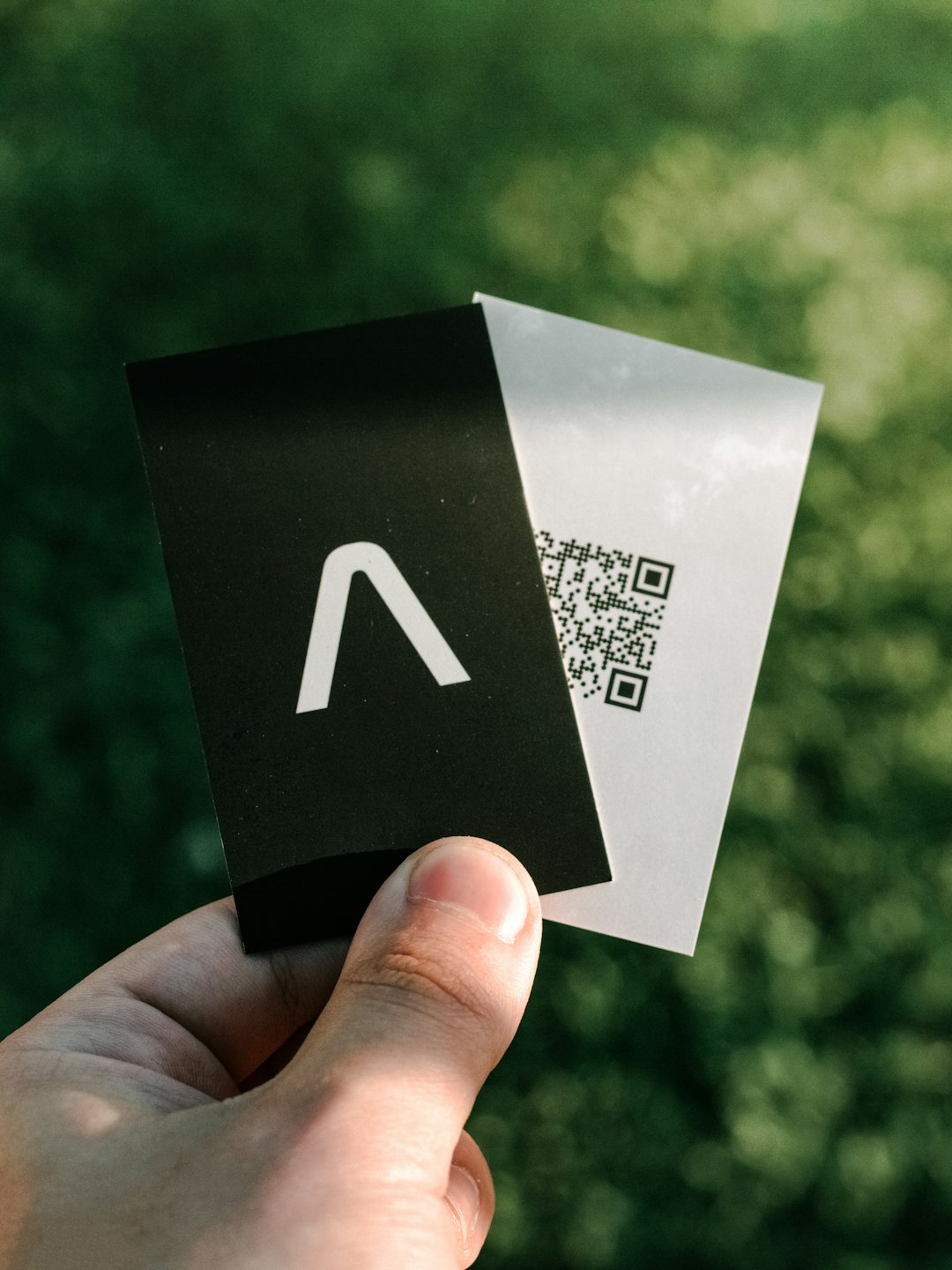
Before approving production, request a proof and review it closely. Check spelling, product names, disclaimers, QR codes, offer dates, website links, and legal language. Confirm that the mailing list is current and that the selected format qualifies for the intended postage rates.
It is also responsible to keep records of printed materials, mailing dates, audience segments, and approval versions. This creates an internal paper trail and helps future campaigns run more efficiently.
Creating a Practical First Campaign
A CBD company beginning with direct mail does not need a large national campaign. A practical first effort might focus on a single product line, one local area, or a segment of past customers. The purpose is to learn what drives response.
A simple first campaign could include:
- Define the goal, such as store visits or online reorders.
- Select a targeted list of qualified adults or existing customers.
- Create a postcard with compliant, educational copy.
- Include a clear offer and unique tracking code.
- Mail a controlled quantity.
- Review results after two to four weeks.
- Adjust targeting, message, or offer before scaling.
This disciplined approach protects the budget and reduces risk. It also helps the brand understand whether direct mail should become a recurring part of its marketing mix.
Final Thoughts
Affordable direct mail for CBD products is not about cutting corners. It is about making careful decisions: mailing to the right people, using the right format, presenting information responsibly, and measuring results. In a category where trust is essential and digital channels can be uncertain, direct mail offers CBD brands a dependable way to communicate with customers directly.
Brands that treat mail as a long-term relationship tool tend to see the best results. A well-designed piece can introduce a product, explain quality standards, invite a customer to learn more, and support repeat business. With compliance, targeting, and cost control in place, direct mail can be both affordable and credible for CBD marketing.