
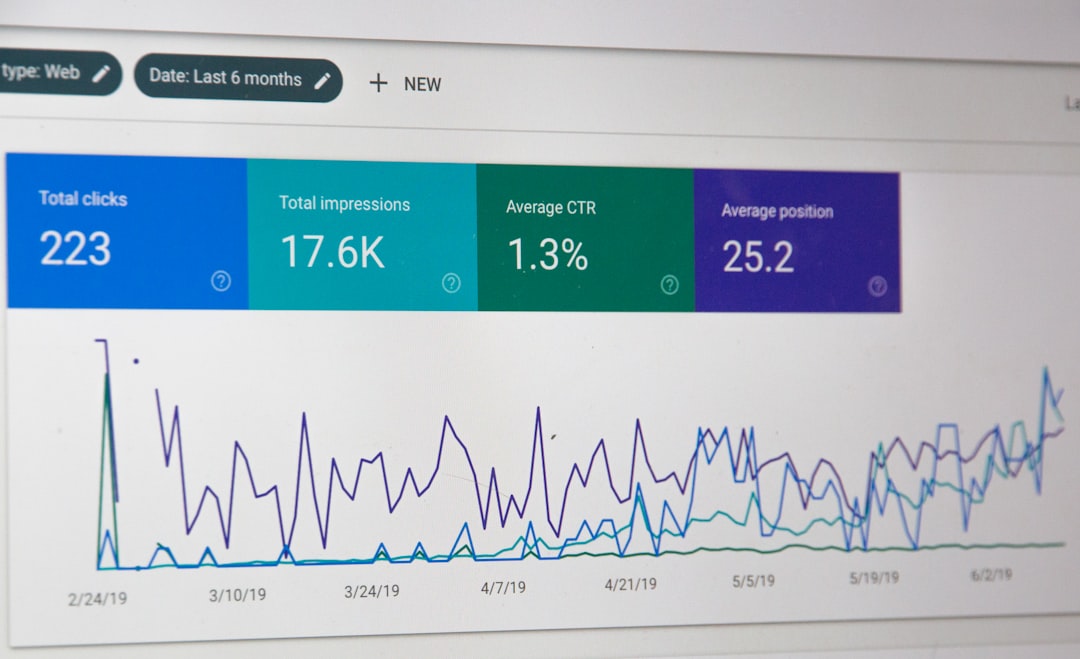
For SaaS companies, growth rarely comes from simply increasing traffic. The real challenge is attracting the right accounts, educating buying committees, and converting interest into a qualified pipeline without overspending on acquisition. B2B inbound marketing helps SaaS teams create a repeatable system for demand generation, lead nurturing, and sales enablement while keeping customer acquisition cost, or CAC, under control.
TLDR: B2B SaaS companies can reduce CAC by using inbound marketing to attract, educate, and convert high-fit buyers. The most effective strategies combine ideal customer profile clarity, educational content, SEO, lead magnets, automation, social proof, product-led experiences, and sales alignment. When these tactics work together, SaaS teams generate better-qualified pipeline and rely less on expensive outbound or paid acquisition channels.
Why Inbound Marketing Matters for B2B SaaS
B2B SaaS buyers often research solutions long before speaking with sales. They compare vendors, read reviews, evaluate pricing pages, and look for proof that a product can solve a specific operational problem. Inbound marketing supports this journey by placing useful content, conversion points, and trust signals in front of prospects at each stage.
Unlike short-term campaigns, inbound compounds over time. A strong article, comparison page, webinar, or customer story can continue generating qualified leads months or years after publication. For SaaS companies seeking efficient growth, this makes inbound a practical way to reduce dependency on paid ads and improve pipeline quality.
1. Define the Ideal Customer Profile Before Creating Content
Inbound marketing only reduces CAC when it attracts the right audience. SaaS companies should begin by defining a clear ideal customer profile, including company size, industry, revenue range, tech stack, pain points, buying triggers, and decision-making roles.
This prevents the marketing team from producing generic content that drives unqualified traffic. For example, a SaaS platform built for enterprise finance teams should not optimize mainly for small-business keywords. The better approach is to build content around enterprise reporting, compliance, integrations, security, and stakeholder approval.
A precise ICP also helps sales teams prioritize accounts, score leads accurately, and avoid spending time on prospects that are unlikely to convert or retain.
2. Build Topic Clusters Around High-Intent Problems
SEO remains one of the most cost-efficient inbound channels for SaaS companies, but it works best when content is organized around buyer problems rather than isolated keywords. A topic cluster includes a central pillar page supported by related articles that answer specific questions.
For instance, a project management SaaS company might create a pillar page on resource planning software, then support it with articles about team capacity, workload forecasting, project profitability, and software comparisons. This structure improves search visibility while guiding prospects through a logical education path.
High-intent keywords should receive special attention. Terms that include phrases such as “best software,” “alternative,” “pricing,” “template,” “integration,” and “for enterprise” often indicate stronger buying intent than broad educational searches.
3. Create Lead Magnets That Qualify the Buyer
Not every downloadable resource creates meaningful pipeline. Many SaaS companies collect leads from basic ebooks only to discover that the contacts have little budget, authority, or urgency. Strong lead magnets should reveal buyer intent and help qualify the account.
Examples include:
- ROI calculators that show potential cost savings or revenue impact
- Implementation checklists for teams preparing to adopt a solution
- Benchmark reports based on industry-specific data
- Templates tied directly to the SaaS product’s core use case
- Assessment tools that identify operational gaps
These assets attract prospects who are actively evaluating a problem, not just casually browsing. They also give sales teams better context for follow-up conversations.
4. Use Product-Led Content to Show the Solution in Action
B2B SaaS buyers want to understand how a platform works before booking a demo. Product-led content meets this need by naturally showing the software within helpful educational material.
This may include tutorial articles, use-case pages, workflow guides, interactive demos, short product videos, or annotated screenshots. The goal is not to turn every article into a sales pitch. Instead, product-led content connects the buyer’s problem to a practical solution and helps them visualize success.
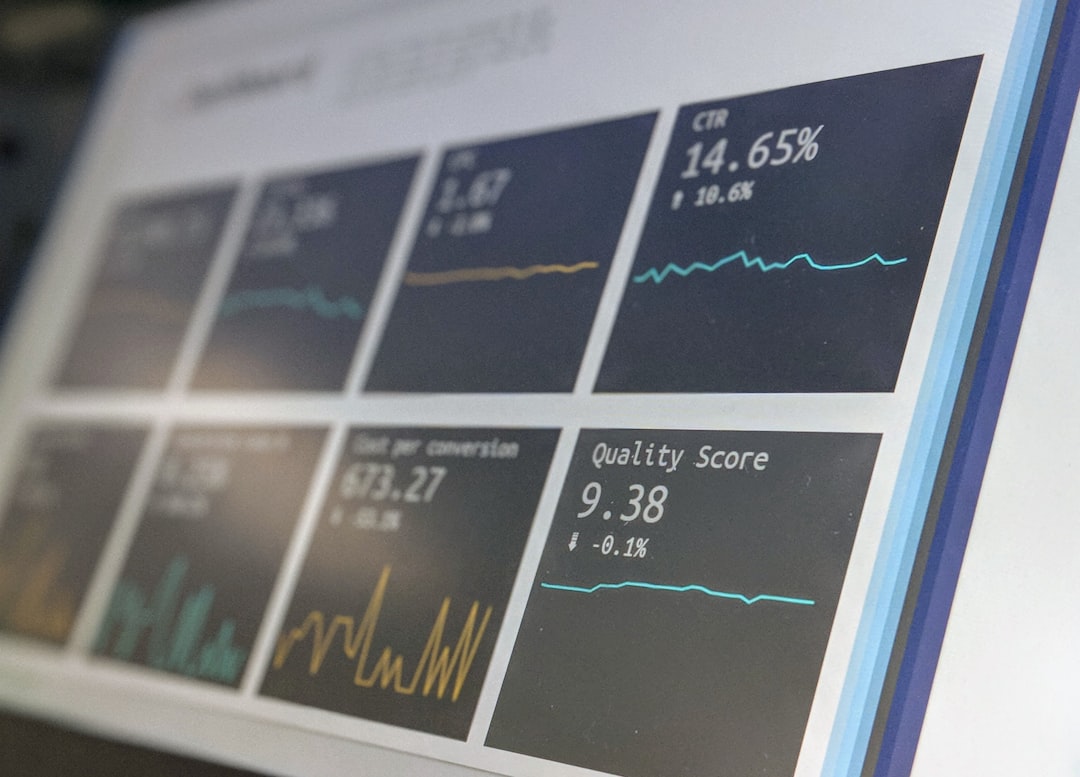
For example, a customer support SaaS company could publish a guide on reducing first response time and include examples of automated routing, ticket prioritization, and reporting dashboards. This educates the reader while demonstrating product relevance.
5. Segment Nurture Campaigns by Buyer Stage
Inbound leads rarely convert immediately. SaaS companies need nurture campaigns that guide prospects from awareness to consideration and then to decision. However, sending the same email sequence to every lead reduces relevance and increases unsubscribe rates.
Segmentation should be based on behavior, persona, company fit, and funnel stage. A visitor who downloads a beginner guide may need educational emails, while a prospect who visits the pricing page and comparison pages may need customer stories, ROI proof, and a demo invitation.
Effective nurture campaigns often include:
- Problem-focused educational content
- Case studies by industry or company size
- Product feature explanations
- Webinar invitations
- Clear calls to action for demos, trials, or consultations
6. Strengthen Conversion Pages With Trust Signals
Traffic alone does not create pipeline. SaaS companies must optimize landing pages, pricing pages, demo pages, and comparison pages for conversion. These pages should reduce uncertainty and make the next step obvious.
Important trust signals include customer logos, testimonials, security badges, integration lists, review ratings, analyst mentions, case study metrics, and transparent pricing guidance. For enterprise SaaS, buyers also look for information about onboarding, compliance, scalability, and support.
Forms should ask for enough information to qualify the lead without creating unnecessary friction. A high-value demo request form may include company size and role, while a top-of-funnel download form should usually remain shorter.
7. Align Marketing and Sales Around Lead Scoring
Inbound marketing becomes more profitable when marketing and sales agree on what qualifies a lead. Without alignment, marketing may celebrate lead volume while sales complains about poor fit.
A SaaS lead scoring model should combine fit data and behavioral data. Fit data includes industry, company size, location, job title, and technology environment. Behavioral data includes pricing page visits, demo requests, webinar attendance, product trial activity, and repeated engagement with bottom-of-funnel content.
This shared model helps teams identify marketing qualified leads, sales qualified leads, and product qualified leads. It also reduces CAC by focusing sales attention on prospects most likely to close and retain.
8. Measure CAC by Channel, Segment, and Funnel Stage
To improve inbound performance, SaaS companies must track more than website visits and form submissions. The key question is whether a channel produces qualified pipeline, closed revenue, and long-term customers at an efficient cost.
Useful metrics include:
- Customer acquisition cost by channel
- Lead-to-opportunity conversion rate
- Opportunity-to-customer conversion rate
- Pipeline sourced from organic search
- Content-assisted revenue
- Payback period
- Customer lifetime value to CAC ratio

When SaaS teams measure inbound this way, they can identify which content themes, audience segments, and conversion paths create the most efficient growth. Budget can then shift away from low-quality acquisition and toward programs that generate qualified pipeline.
Building a Sustainable Inbound Engine
B2B inbound marketing for SaaS is not a single tactic. It is a connected growth system that attracts the right accounts, educates multiple stakeholders, captures intent, and supports sales conversations. The strongest SaaS companies treat inbound as a long-term asset rather than a campaign calendar.
By focusing on ICP clarity, high-intent SEO, product-led content, qualified lead magnets, segmented nurturing, optimized conversion pages, sales alignment, and CAC measurement, SaaS companies can create a healthier pipeline. Over time, this approach improves efficiency, shortens sales cycles, and reduces the cost of acquiring customers.
FAQ
What is B2B inbound marketing for SaaS companies?
B2B inbound marketing for SaaS is a strategy that attracts potential business customers through helpful content, SEO, lead magnets, webinars, product education, and nurture campaigns. Its purpose is to generate qualified demand instead of relying only on outbound sales or paid advertising.
How does inbound marketing reduce CAC?
Inbound marketing reduces CAC by creating assets that continue generating leads over time. Organic content, automated nurture sequences, and conversion-optimized pages can lower the cost per qualified opportunity compared with channels that require constant ad spend.
Which inbound channel works best for B2B SaaS?
There is no single best channel for every SaaS company. However, SEO, product-led content, webinars, comparison pages, and email nurturing are often highly effective because they match how B2B buyers research and evaluate software.
How long does SaaS inbound marketing take to show results?
Some assets, such as webinars or lead magnets, can generate leads quickly. SEO-driven inbound programs usually take several months to gain traction, but they can create compounding pipeline growth when executed consistently.
What is the biggest mistake SaaS companies make with inbound marketing?
The biggest mistake is focusing on traffic volume instead of qualified pipeline. SaaS companies should create content for high-fit buyers, measure revenue impact, and align marketing activity with sales outcomes.