

Radio remains one of the most resilient media formats in the world, but resilience is not the same as immunity. Audience behavior, advertising expectations, connected cars, smart speakers, podcasts, streaming platforms, and data-driven marketing have changed the operating environment permanently. For radio organizations, digital transformation is no longer a side project; it is a disciplined business agenda that protects relevance, revenue, and public trust.
TLDR: Radio’s digital transformation playbook begins with treating broadcast, streaming, podcasts, apps, social channels, and data systems as one connected operating model. The goal is not to abandon radio’s strengths, but to extend them into digital environments where audiences now discover, share, and measure value. Stations that invest in first-party data, multiplatform content, modern advertising products, and audience-centered technology will be better positioned for sustainable growth.
Start With the Core Principle: Radio Is No Longer Only a Signal
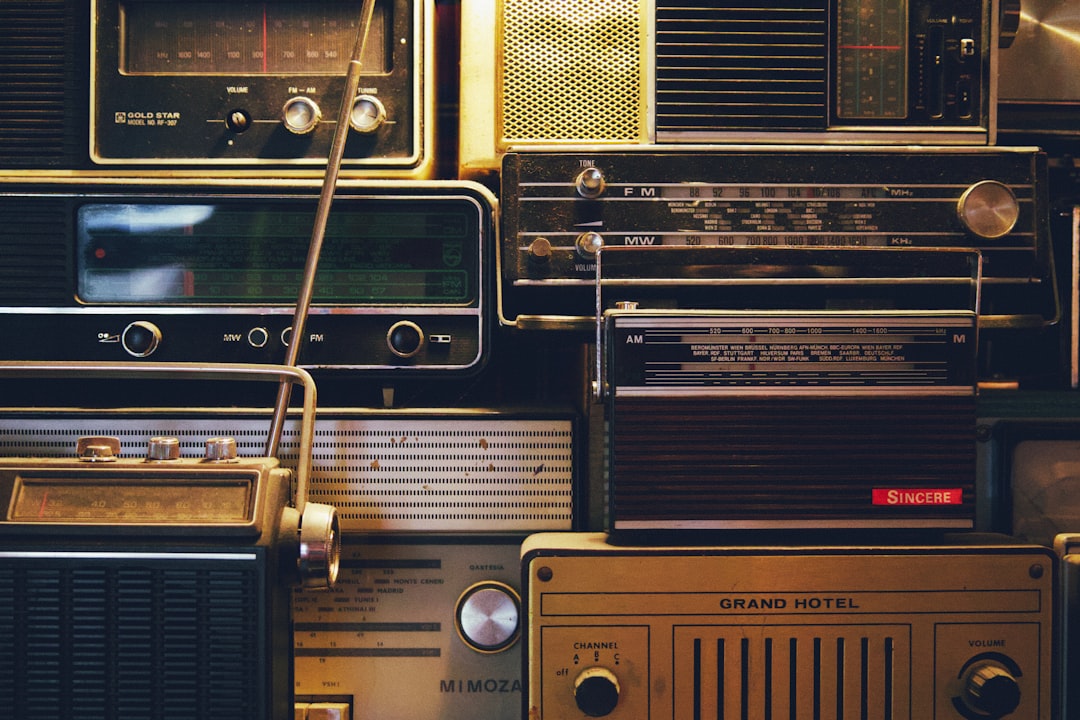
The traditional radio signal still matters. It offers reach, immediacy, local identity, companionship, and a low-friction listening experience. However, the modern listener does not distinguish as sharply between “radio,” “audio,” “podcasts,” “clips,” “streams,” and “social video” as media companies often do. People follow voices, topics, moods, communities, and utility. They expect trusted content to be available wherever they are.
This means a station’s strategic question has changed. It is no longer, “How do we drive listeners only to the frequency?” The more useful question is, “How do we create a consistent relationship with audiences across every relevant listening and discovery environment?”
Digital transformation, therefore, should not be confused with simply launching an app or posting more frequently on social media. It requires a coordinated operating model that connects content, distribution, data, sales, technology, and culture.
1. Build a Unified Audience Strategy
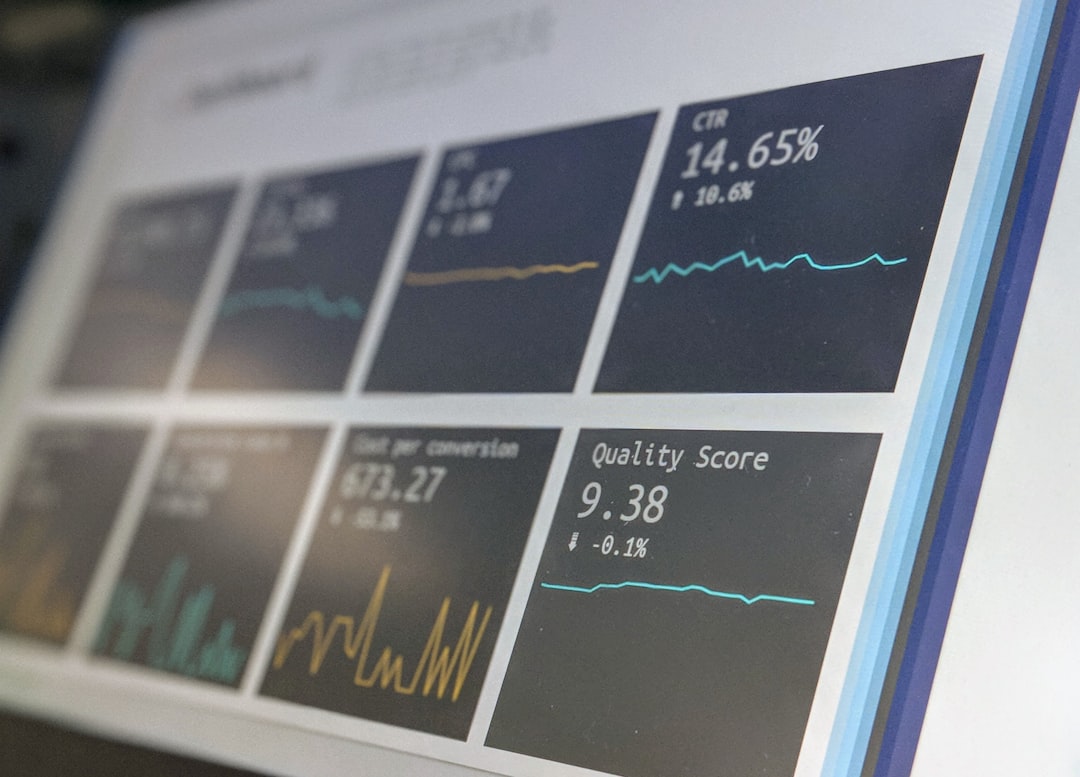
The first part of the playbook is audience clarity. Radio has historically relied on ratings, call-ins, contests, requests, and community presence to understand listeners. Those signals remain useful, but digital platforms provide deeper behavioral information: stream starts, completion rates, podcast downloads, newsletter engagement, app sessions, search behavior, and social interactions.
A trustworthy digital strategy begins with responsible audience intelligence. Stations should define:
- Who the priority audiences are: commuters, parents, sports fans, music enthusiasts, bilingual communities, local news consumers, or younger listeners.
- Where they spend time: FM, DAB, streaming apps, smart speakers, connected cars, YouTube, podcast platforms, TikTok, Instagram, newsletters, or local websites.
- What they value: breaking news, music discovery, personalities, live sport, traffic, companionship, emergency information, local culture, or expert commentary.
- How success will be measured: reach, time spent listening, registered users, repeat sessions, conversion, revenue per listener, or advertiser retention.
The most advanced broadcasters are moving from anonymous mass reach to permission-based audience relationships. This does not mean abandoning scale. It means adding direct knowledge and consent-based engagement to the reach that radio already delivers.
2. Treat Content as a Multiplatform Asset
In the analog era, much of radio content was time-bound. If a listener missed a segment, it disappeared. In the digital era, the best content can be repackaged, indexed, distributed, monetized, and rediscovered.
Stations should design content workflows with reuse in mind. A strong morning show interview can become:
- A live broadcast segment.
- A podcast episode.
- A short social video clip.
- A quote card for social platforms.
- A written article for search traffic.
- A newsletter feature.
- An on-demand audio highlight inside the station app.
This does not mean every piece of content belongs everywhere. Serious transformation requires editorial judgment. A breaking traffic update may be valuable on air and in an app notification, while a long-form political interview may perform better as a podcast and article. The discipline is to match content format to audience intent.
Radio’s strongest advantage remains its human connection. Hosts are not merely presenters; they are trusted guides. Digital channels should amplify that trust, not dilute it. A station’s tone, standards, and credibility must remain consistent whether the listener hears a live bulletin, watches a clip, opens a newsletter, or plays a podcast episode.
3. Modernize Distribution for the Connected Listener
Distribution is now fragmented. Broadcast towers still reach large audiences efficiently, but listening increasingly happens through phones, smart speakers, desktops, in-car systems, and platform aggregators. A station that is difficult to find digitally is effectively invisible to many potential listeners.
A practical distribution plan should include:
- Reliable live streaming: Streams must be stable, fast-loading, and easy to access.
- Smart speaker optimization: Clear invocation names and accurate metadata help listeners find the station by voice.
- Connected car readiness: Station branding, logos, program information, and hybrid radio data should be accurate.
- Podcast platform presence: On-demand shows should be available on major podcast directories with consistent artwork and descriptions.
- Owned digital products: Websites and apps should provide direct access to live streams, show pages, local information, contests, and newsletters.
The strategic balance is important. Third-party platforms are valuable for discovery, but owned platforms are essential for data, loyalty, and monetization. Radio companies should avoid becoming entirely dependent on external algorithms that they do not control.
4. Make First-Party Data a Business Priority
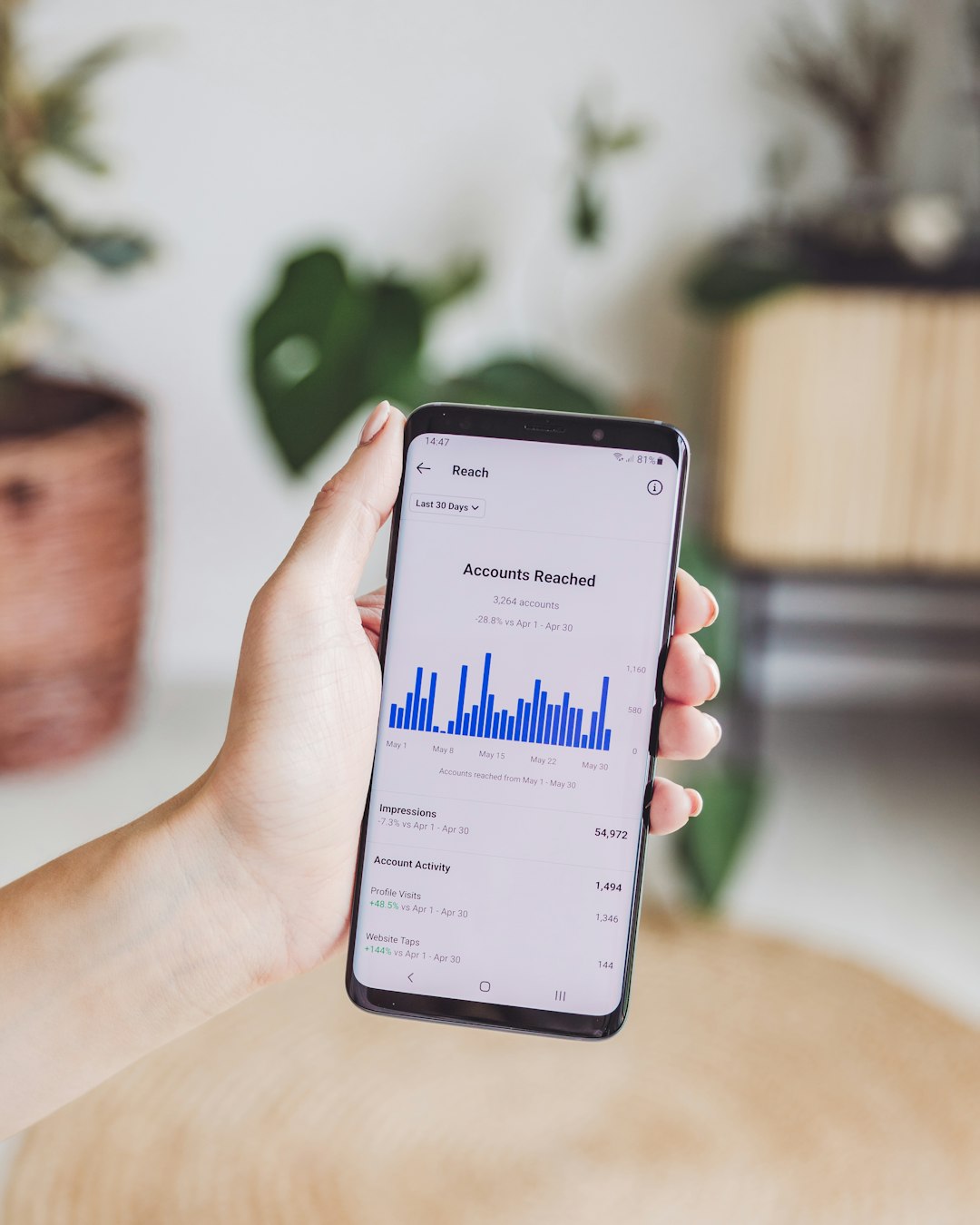
As privacy rules tighten and third-party identifiers decline, first-party data becomes a strategic asset. For radio, this includes information gathered directly from listeners through registrations, apps, newsletters, contests, memberships, surveys, event signups, and customer service interactions.
However, data collection must be transparent and responsible. A serious organization should clearly explain what is collected, why it is collected, how it is protected, and how listeners can manage their preferences. Trust is not a compliance checkbox; it is the foundation of long-term audience relationships.
First-party data can support:
- Better content decisions: understanding what audiences actually consume and return to.
- Personalization: recommending shows, topics, alerts, or local updates.
- Advertising effectiveness: enabling more relevant campaigns and stronger reporting.
- Membership and loyalty: rewarding frequent listeners and active community members.
- Product development: identifying where users experience friction or drop off.
The key is to connect data across systems. If streaming analytics, app behavior, email engagement, podcast consumption, and contest databases remain isolated, the organization cannot build a clear picture of audience behavior. A customer data platform or well-governed data warehouse can help, but technology alone is not enough. Teams need shared definitions, governance, and accountability.
5. Reinvent the Advertising Model
Radio advertising has traditionally been sold on reach, frequency, dayparts, sponsorships, promotions, and host endorsement. Those strengths remain valuable. But advertisers increasingly expect targeting, attribution, cross-platform packages, and measurable outcomes.
The digital transformation playbook should expand the commercial portfolio. Stations can combine broadcast reach with streaming audio, podcast ads, sponsored content, newsletters, event activations, social video, and display advertising. The most compelling offer is not simply “spots plus digital.” It is an integrated solution built around advertiser objectives.
For example, a local healthcare provider may need awareness, appointment bookings, community credibility, and education. A radio group could provide trusted host reads, a podcast sponsorship, newsletter placement, expert interview content, event presence, and digital retargeting. The result is a more complete campaign than a standalone spot schedule.
Sales teams must be trained to sell outcomes, not inventory alone. They need the vocabulary of digital marketing, the confidence to discuss reporting, and the discipline to set realistic expectations. Overpromising attribution damages credibility. Transparent measurement protects relationships.
6. Upgrade Technology Without Losing Operational Discipline
Digital transformation often fails when technology purchases are made without clear operating plans. A new app, content management system, automation platform, or analytics tool will not deliver value if teams do not know how to use it or why it matters.
Before investing, leaders should ask:
- What business problem does this solve?
- Who will own the system internally?
- How will it integrate with existing tools?
- What data will it produce?
- How will success be measured after 90, 180, and 365 days?
- What training is required?
Modern radio technology should support speed, reliability, and collaboration. Newsrooms need fast publishing workflows. Producers need simple clipping and editing tools. Sales teams need campaign reporting. Executives need dashboards that show meaningful trends, not vanity metrics. Listeners need products that are intuitive and dependable.
7. Strengthen Local Relevance
Digital scale can tempt broadcasters to imitate national platforms. That is often a mistake. One of radio’s most defensible advantages is local presence. Stations know the roads, schools, festivals, weather patterns, sports rivalries, public concerns, regional humor, and civic institutions that national platforms cannot easily replicate.
Digital tools should deepen local service. A station can provide neighborhood newsletters, emergency alerts, local podcast series, interactive event calendars, election explainers, high school sports coverage, and community resource guides. These services reinforce the public value of radio while creating new digital inventory and sponsorship opportunities.
Local trust is especially important during emergencies. Power outages, storms, wildfires, floods, public safety incidents, and major transport disruptions remind audiences why reliable broadcasting matters. The transformed radio organization should be prepared to serve across FM, stream, app notifications, social updates, and web coverage simultaneously.
8. Change the Culture, Not Just the Channels
The hardest part of transformation is cultural. Radio teams may be organized around legacy roles, established schedules, and familiar performance measures. Digital work can become “extra” rather than central. That approach eventually burns out staff and produces inconsistent results.
Leaders should make digital responsibilities explicit. Editorial meetings should review on-air and digital performance together. Producers should understand how segments travel beyond the broadcast. Presenters should be supported in building credible digital identities. Sales teams should collaborate with content and product teams earlier in campaign planning. Technology teams should be treated as strategic partners, not back-office support.
Change also requires prioritization. Not every station needs to be on every platform with equal intensity. A serious playbook identifies the few channels that matter most to the audience and executes them well. Consistency beats scattered experimentation.
9. Define a Measurement Framework That Matters
Measurement should connect activity to strategy. Page views, likes, downloads, and impressions have value, but they are incomplete on their own. Stations should develop a balanced scorecard that includes audience, engagement, revenue, and trust indicators.
Useful measures may include:
- Total unduplicated reach across broadcast and digital platforms.
- Time spent listening through streams and on-demand audio.
- Registered users and newsletter subscribers.
- Podcast completion rates and repeat listeners.
- App retention after seven, thirty, and ninety days.
- Digital revenue growth and renewal rates.
- Advertiser satisfaction and campaign performance.
- Community trust signals such as feedback quality, corrections handling, and event participation.
The purpose of measurement is not to punish teams. It is to learn, improve, and allocate resources honestly. A trustworthy organization uses data to support editorial judgment, not replace it.
10. Set a Practical Roadmap
Transformation should be ambitious, but it must also be manageable. A phased roadmap helps organizations avoid confusion and fatigue.
- First 90 days: audit platforms, audience data, content workflows, streaming quality, sales products, and staff capabilities.
- Months 3 to 6: prioritize key audience segments, improve metadata, standardize podcast publishing, launch or refine newsletters, and train sales teams on digital packages.
- Months 6 to 12: implement first-party data practices, improve app or website experiences, create content repurposing workflows, and build advertiser reporting templates.
- Year 2 and beyond: integrate systems, expand personalization, develop membership or loyalty programs, and formalize cross-platform audience and revenue targets.
This roadmap should be reviewed quarterly. Digital markets move quickly, but disciplined review prevents reactive decision-making.
The Future Is Hybrid, Not Replacement
Radio’s digital transformation is not a funeral for broadcasting. It is a modernization of a powerful medium. The future belongs to organizations that combine the trust, reach, and intimacy of radio with the accessibility, data, personalization, and accountability of digital platforms.
The playbook is clear: know the audience, distribute intelligently, reuse content strategically, build first-party relationships, modernize advertising, invest carefully in technology, protect local relevance, and lead cultural change. Stations that execute with discipline will not merely survive disruption. They will become more useful, more measurable, and more deeply connected to the communities they serve.