

A multi-location local SEO strategy is the system a business uses to make each branch, office, clinic, store, or service area visible in regional search results. It keeps location data accurate, builds local relevance, and helps search engines understand which branch should appear for each nearby customer. For a business with ten, fifty, or five hundred locations, this is not just “SEO at scale.” It is local trust management, operational discipline, and content accuracy rolled into one process.
TLDR: A multi-location local SEO strategy helps every branch rank for searches such as “dentist near me” or “oil change in Austin.” For example, a 28-location home services company that standardized Google Business Profiles, location pages, and review replies could see a 22% rise in calls within 90 days. The core work includes accurate listings, dedicated location pages, regional content, review management, and performance tracking. If the data is messy, regional visibility usually suffers first.
What multi-location local SEO actually means
Multi-location local SEO is the practice of optimizing each business location for searches in its own market. The goal is simple: show the right location to the right person at the right time.
A customer in Phoenix should not land on a Dallas store page. A patient searching for an urgent care clinic in Queens should see the Queens location, not the corporate homepage. Search engines reward clarity. Confusion costs clicks, calls, and visits.
This strategy matters for retailers, medical groups, law firms, franchises, restaurants, schools, gyms, banks, and service companies. Any business with more than one physical location needs a structure that supports regional search visibility.
Image not found in postmetaWhy one national SEO plan is not enough
A national SEO campaign can build brand authority. It can rank broad pages. It can help the main site earn links. But local intent works differently.
People search with urgency. They use phrases like “near me,” “open now,” “best in Chicago,” or “same day repair in Tampa.” Google then checks proximity, relevance, and prominence. If a business does not manage each location properly, weaker competitors can win the local pack.
The catch is that mistakes multiply fast. One wrong phone number can become twenty wrong citations. One outdated holiday schedule can frustrate hundreds of customers. Honestly, it feels like some listing platforms make a simple address update take five extra clicks for no good reason. Still, accuracy is non-negotiable.
Key components of a strong multi-location local SEO strategy
1. Clean and consistent location data
Every location needs accurate NAP data: name, address, and phone number. This data should match across the company website, Google Business Profile, Apple Business Connect, Bing Places, Yelp, Facebook, industry directories, and local citation sites.
Small differences can create trust issues. For example, “Suite 200” on one site and “Ste 2” on another may not ruin rankings alone, but hundreds of mismatches can weaken confidence in the data.
- Use one approved format for every address.
- Assign local phone numbers where possible.
- Keep hours updated, including holidays.
- Audit listings quarterly for errors.
2. Optimized Google Business Profiles
Google Business Profile is one of the most serious assets in local SEO. Each location should have its own verified profile, correct primary category, relevant secondary categories, business description, photos, services, products, hours, and attributes.
Profiles should not be copied word for word. A chain of physical therapy clinics may offer the same services, but each office has different staff, nearby landmarks, insurance details, parking notes, and community ties. Those details help customers and search engines.
Regular updates also matter. Add new photos. Publish posts when useful. Answer questions. Remove spam edits. Monitor profile suspensions. For large brands, this needs ownership. Someone must be accountable.
3. Dedicated location pages
Each branch needs a unique, indexable page on the website. A simple store locator is not enough. Search engines need a clear page for each market, and customers need useful local information.
A strong location page includes:
- Full business name, address, and phone number.
- Opening hours and holiday notes.
- Embedded map or clear directions.
- Local services or products.
- Staff names or local team details, where suitable.
- Parking, transit, or accessibility information.
- Nearby neighborhoods served.
- Local reviews or testimonials.
- Clear calls to action, such as book now or call this location.
Thin pages are a common problem. A page with only a city name swapped into copied text rarely performs well. It may even look careless. Add real local substance.

4. Regional keyword targeting
Keyword research should be done at both the national and local level. A service may be called one thing in one city and something else in another. Search demand also changes by region.
For example, a pest control company may see strong demand for “termite treatment” in Florida, while “rodent control” may be more urgent in colder northern markets. The content plan should reflect that.
Good regional keyword targeting includes city names, neighborhood names, service terms, problem-based phrases, and “near me” intent. Do not stuff keywords into every sentence. Keep wording natural. Search engines are better at reading context than they used to be.
5. Review management by location
Reviews affect rankings, conversion rates, and brand trust. For multi-location businesses, reviews must be managed at the branch level. A five-star average in one city does not fix a poor rating in another.
Set a review process that is simple and compliant. Ask real customers after real service. Send branch-specific links. Respond to positive and negative reviews. Keep replies professional and specific.
A practical benchmark is response coverage. If a business receives 1,000 reviews per month across all locations, aim to respond to at least 80% within seven days. High-risk industries, such as healthcare and legal services, should use approved response templates and privacy-safe wording.
6. Local content and community signals
Regional content shows that a business is active in the markets it serves. This can include local guides, event pages, sponsorship notes, service-area updates, case studies, and location-specific FAQs.
A roofing company might publish “Common storm damage issues in Fort Worth neighborhoods.” A senior care provider might create “How to compare assisted living options in Orange County.” This content speaks to local needs while supporting search visibility.
Community signals also help. Local backlinks from chambers of commerce, charities, schools, event sites, and local media can strengthen authority. Quality matters more than volume. Avoid spam directory blasts. They age badly.
7. Technical structure and schema markup
Technical SEO supports the whole strategy. Location pages should be crawlable, fast, mobile-friendly, and easy to find from the main site. A clean URL structure helps, such as /locations/chicago-lincoln-park/.
Use LocalBusiness schema or the most accurate subtype, such as Dentist, Restaurant, AutoRepair, or MedicalClinic. Add address, phone, geo-coordinates, opening hours, and same-as links where appropriate.
Internal linking also matters. Link from state pages to city pages. Link from service pages to relevant locations. Keep the user path short. Expect to waste time later if the structure is patched together without a plan.
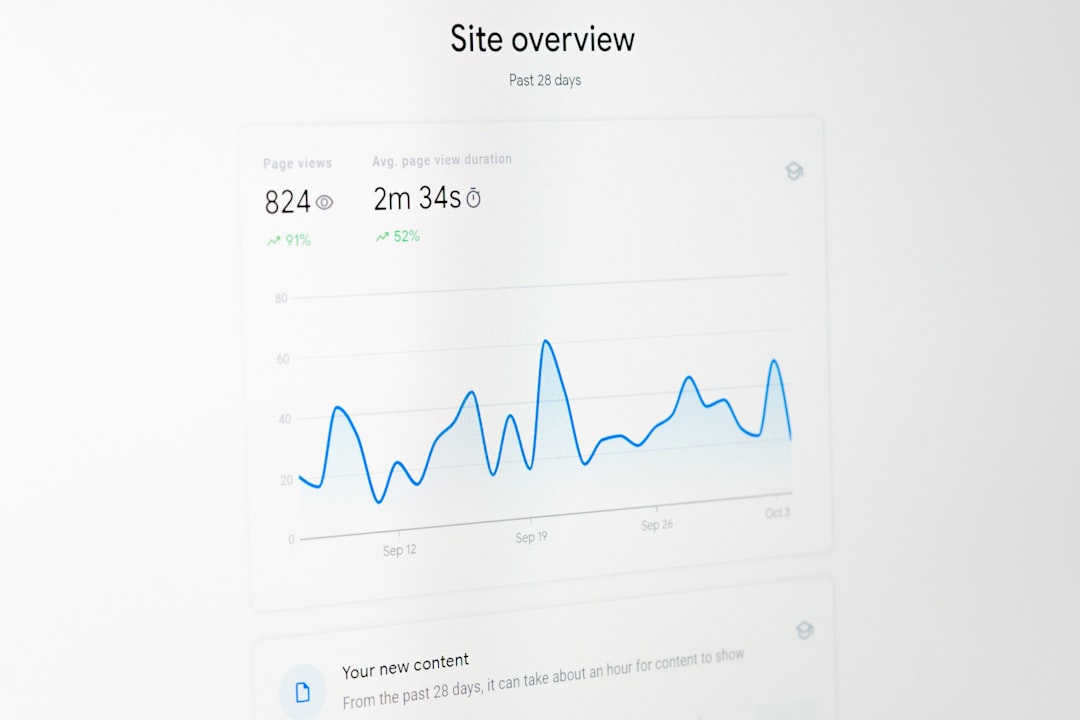
How to measure regional search visibility
Tracking must be location-specific. Corporate-level averages can hide serious problems. A brand may grow 12% overall while one region loses 30% of calls because a competitor improved rankings.
Useful metrics include:
- Google Business Profile calls, direction requests, and website clicks.
- Local pack rankings by city and ZIP code.
- Organic traffic to each location page.
- Conversion rate by location page.
- Review volume, rating, and response time.
- Citation accuracy across major directories.
Rank tracking should use local grids where possible. A business can rank first one mile from the store and eighth five miles away. That distance pattern is useful. It shows where visibility is strong and where content, reviews, or links may need work.
Common mistakes to avoid
- Using identical copy across all location pages.
- Sending every local listing to the homepage.
- Ignoring profile suspensions until calls drop.
- Letting franchisees create duplicate profiles without controls.
- Tracking only national rankings instead of city-level data.
- Forgetting local compliance rules in healthcare, finance, and legal markets.
Who should own the strategy?
Multi-location local SEO works best when marketing, operations, and local managers share responsibility. Marketing can set standards. Operations can confirm real-world details. Local teams can provide photos, service updates, and community information.
Without this cooperation, the strategy gets stale. Search engines may show old hours. Customers may call closed branches. Reviews may sit unanswered. None of that is harmless.
Final takeaway
A multi-location local SEO strategy gives each branch a fair chance to appear in regional search results. It depends on clean data, strong Google Business Profiles, useful location pages, local content, reviews, links, schema, and clear reporting. The work is repetitive, but it is not optional. For businesses that rely on local demand, regional search visibility is often the difference between being chosen and being ignored.