

Modern businesses are under pressure to respond faster, operate leaner, and deliver more personalized experiences than ever before. AI smartbot systems are becoming a practical solution to these challenges, helping companies automate conversations, analyze customer needs, support employees, and improve decision-making. Far from being simple chat widgets, today’s smartbots can understand context, learn from interactions, and connect with business tools to create real value.
TLDR: AI smartbot systems help modern businesses improve customer service, reduce operational costs, increase sales opportunities, and support internal teams. They work around the clock, handle repetitive tasks, and use data to make interactions more relevant. For companies that want to scale efficiently while maintaining a strong customer experience, smartbots are quickly becoming essential.
1. Faster and More Reliable Customer Support
One of the most important benefits of AI smartbot systems is their ability to provide instant customer support. Customers no longer want to wait hours, or even minutes, for answers to basic questions. Whether someone is asking about shipping, pricing, refunds, account access, or product availability, a smartbot can respond immediately.
This speed matters because customer experience often determines whether someone buys, returns, or recommends a business. A smartbot can manage hundreds or thousands of conversations at the same time without becoming tired, distracted, or inconsistent. It can also provide the same accurate information every time, which reduces confusion and strengthens trust.
For more complex issues, AI smartbots can collect key details before transferring the customer to a human agent. This means the support team does not have to start from zero. Instead, agents receive the customer’s question, history, and relevant context, allowing them to solve problems faster and with less frustration.

2. Lower Operational Costs Without Sacrificing Quality
Hiring and training large support, sales, or administrative teams can be expensive. While human employees are essential for strategic, emotional, and complex tasks, many daily business interactions are repetitive. AI smartbot systems are particularly useful for handling these routine activities efficiently.
For example, a smartbot can answer frequently asked questions, schedule appointments, qualify leads, process simple requests, guide users through forms, and provide product recommendations. By automating these tasks, businesses can reduce the time employees spend on repetitive work and redirect their skills toward higher-value responsibilities.
This does not mean replacing human teams entirely. In fact, the best use of AI smartbots is often collaboration between automation and people. Bots handle the predictable workload, while employees focus on cases that require judgment, creativity, negotiation, or empathy. The result is a more balanced operation that saves money while improving service quality.
- Reduced labor pressure: Teams can manage larger workloads without immediately expanding headcount.
- Lower training burden: Bots can be updated with new information faster than training an entire team.
- Fewer manual errors: Automated workflows help prevent missed details or inconsistent responses.
- Better resource allocation: Employees can focus on tasks that directly influence growth and customer loyalty.
3. Around-the-Clock Availability for Global Customers
Modern business is rarely limited to a single city, time zone, or schedule. Customers may visit a website late at night, browse products on weekends, or need help during holidays. A traditional support team may not always be available during those moments, but an AI smartbot can be active 24 hours a day, 7 days a week.
This constant availability is especially valuable for e-commerce stores, software companies, healthcare providers, educational platforms, financial services, and travel businesses. When customers can get answers whenever they need them, they are more likely to continue their journey instead of leaving the site or choosing a competitor.
Always-on service also improves the customer experience for international audiences. A smartbot can be configured to support multiple languages, adapt to local needs, and provide region-specific details. This helps companies serve broader markets without building large support teams in every location.
Availability is not just about being online; it is about being helpful at the exact moment a customer is ready to act. Smartbots make that possible by reducing delays and keeping customers engaged.
4. Better Lead Generation and Sales Support
AI smartbot systems are not only useful for support; they can also become powerful sales assistants. When visitors land on a website, they may be interested but unsure where to begin. A smartbot can greet them, ask relevant questions, suggest products or services, and guide them toward the next step.
For sales teams, this is a major advantage. Instead of waiting for visitors to fill out a form, businesses can use smartbots to start conversations in real time. The bot can identify what the customer needs, determine whether they are a strong lead, and collect contact information before passing the lead to a salesperson.

Smartbots can also help reduce abandoned carts and missed opportunities. For example, if a customer hesitates during checkout, the bot may offer assistance, answer questions about delivery, explain return policies, or recommend an alternative product. These small interactions can have a meaningful effect on conversion rates.
- Engage visitors early: Smartbots can start conversations before interest fades.
- Qualify leads automatically: They can ask targeted questions and identify serious prospects.
- Personalize recommendations: AI can suggest relevant products based on user behavior.
- Support decision-making: Bots can clarify pricing, features, benefits, and next steps.
5. Smarter Business Insights Through Data
Every customer conversation contains useful information. People ask about missing features, common problems, confusing policies, pricing concerns, and product comparisons. AI smartbot systems can collect and organize this data, helping businesses understand what customers really want.
Instead of relying only on surveys or occasional feedback, companies can analyze thousands of interactions to identify patterns. For example, if many customers ask the same question about a product, the business may need clearer website content. If users repeatedly complain about a specific process, that process may need improvement. If customers often request a feature that does not exist, it may become a valuable product development opportunity.
This type of insight supports better decisions across multiple departments:
- Marketing teams can discover which messages attract attention and which objections need to be addressed.
- Sales teams can learn what prospects care about most before making a purchase.
- Product teams can identify customer pain points and feature requests.
- Support teams can improve help articles, training materials, and workflows.
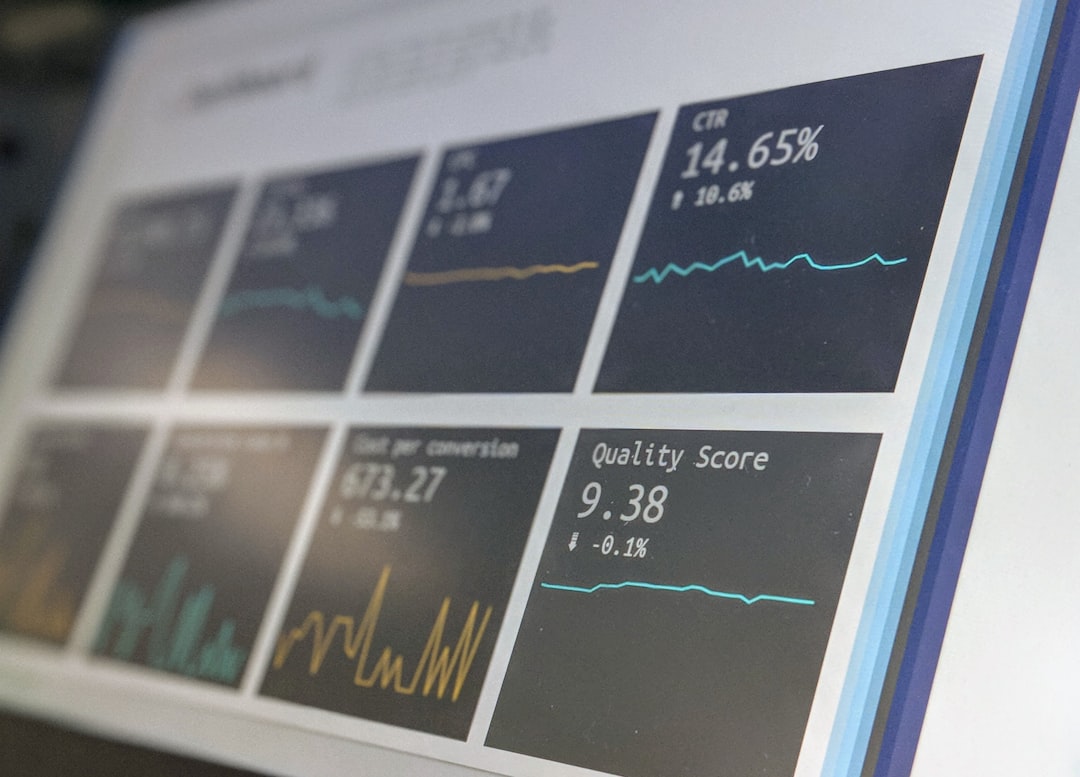
In this way, a smartbot becomes more than a communication tool. It becomes a source of actionable business intelligence. The more conversations it manages, the more valuable its insights can become, especially when integrated with CRM systems, analytics platforms, and customer service software.
What Makes an AI Smartbot Truly Effective?
Not all bots deliver the same results. A basic scripted chatbot may only answer fixed questions, while an advanced AI smartbot can understand intent, remember context, and improve over time. To get the best return, businesses should focus on building systems that are accurate, secure, and connected to real workflows.
A strong smartbot should be able to hand off conversations smoothly to human employees when needed. It should also use a clear tone that matches the brand, respect customer privacy, and provide helpful answers rather than generic responses. Businesses should monitor performance regularly, update knowledge bases, and review conversation data to ensure the bot remains useful.
It is also important to be transparent. Customers usually appreciate automation when it saves time, but they do not want to feel misled. Letting users know they are speaking with an AI assistant, while giving them an easy path to human help, creates a better and more trustworthy experience.
The Future of Smartbots in Business
AI smartbot systems are evolving quickly. Future smartbots will become more conversational, more predictive, and more deeply connected to business operations. They may help manage customer relationships, generate reports, detect customer sentiment, support employee training, and even assist with strategic planning.
For modern businesses, the main question is no longer whether AI smartbots are useful. The real question is how to use them wisely. Companies that implement them thoughtfully can improve customer satisfaction, reduce costs, increase revenue opportunities, and gain valuable insights from everyday interactions.
AI smartbot systems are not just a trend; they are becoming a competitive advantage. By combining automation with human expertise, businesses can create faster, smarter, and more scalable operations while still delivering the personal attention customers expect.