
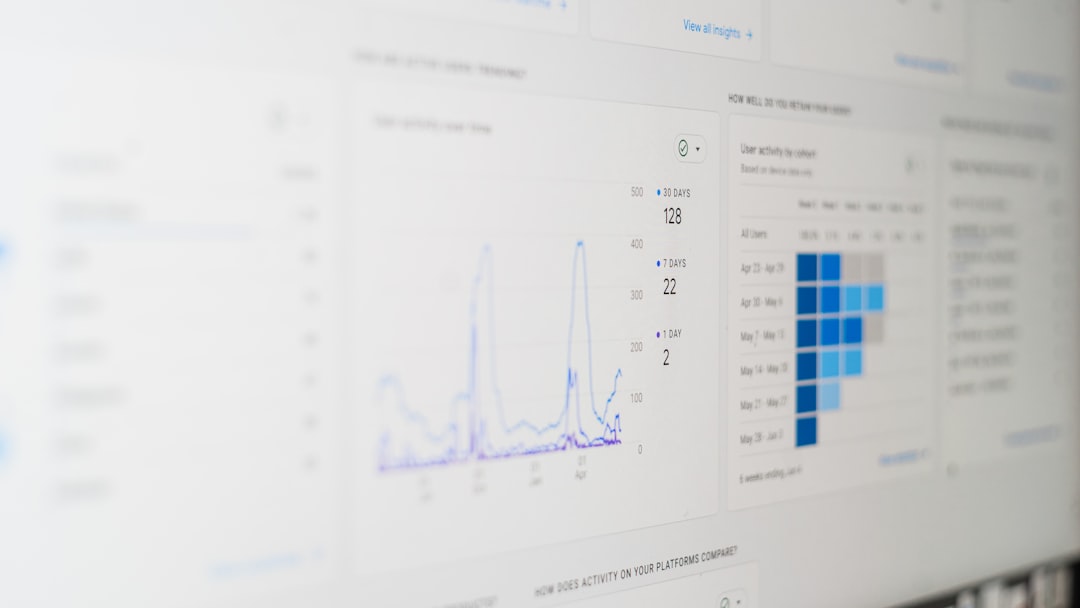
For teams comparing Ranktracker vs Ahrefs, the decision usually comes down to a practical question: does the business need a focused, affordable rank tracking workflow, or a broader SEO intelligence platform with deeper backlink data? Both tools can support keyword monitoring and competitor research, but they serve slightly different users, budgets, and reporting needs.
TLDR: Ranktracker is often the better choice for businesses that mainly need daily keyword position tracking, simple SEO reports, and a lower-cost toolset. Ahrefs is stronger for backlink analysis, competitor research, and large-scale SEO diagnostics. For example, a small agency tracking 500 keywords across 10 local clients may find Ranktracker more cost-efficient, while an enterprise site analyzing 50,000 referring domains may benefit more from Ahrefs’ larger backlink database and advanced filters.
Core Difference Between Ranktracker and Ahrefs
Ranktracker is built around keyword rank monitoring, SERP analysis, website audits, and basic competitor tracking. Its strongest appeal is its simplicity: users can add keywords, select locations, monitor rankings, and generate client-friendly reports without navigating a complex interface.
Ahrefs, on the other hand, is a more comprehensive SEO platform. It is widely known for its backlink index, competitive research tools, keyword explorer, site audit features, content research, and domain comparison capabilities. While it includes rank tracking, that feature is only one part of a much larger SEO ecosystem.
In short, Ranktracker is more focused, while Ahrefs is more powerful and data-heavy. The better option depends on whether the user values simplicity and affordability or depth and competitive intelligence.
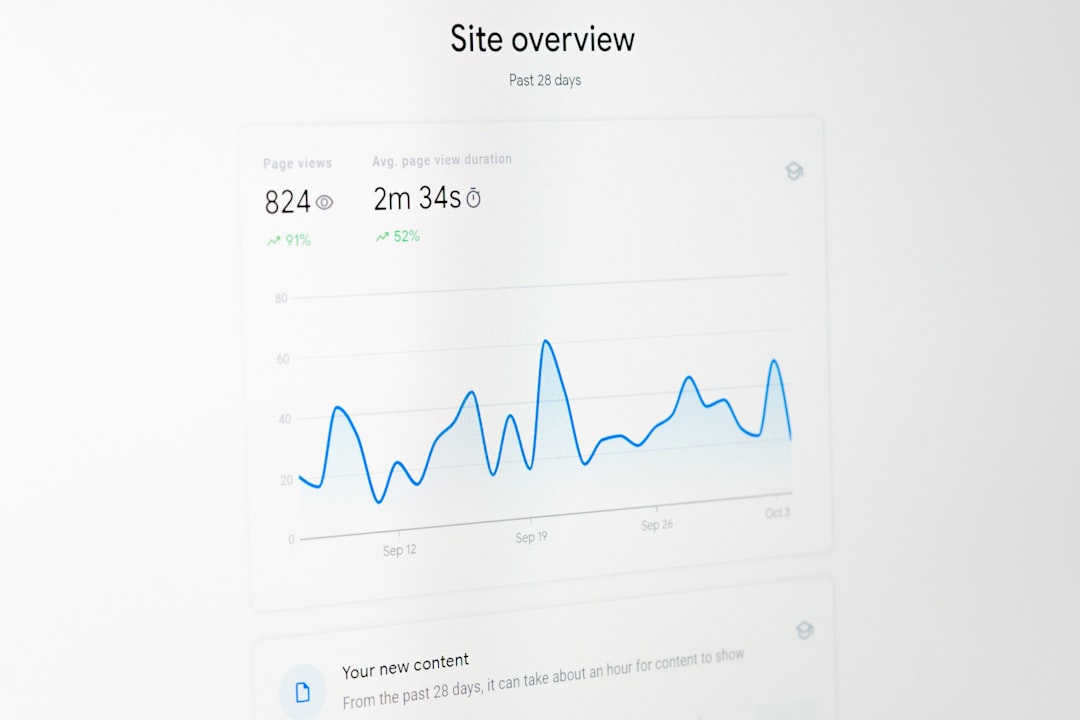
Keyword Tracking: Which Tool Performs Better?
For keyword tracking, Ranktracker has a clear advantage in usability. It is designed for users who want quick visibility into keyword movement across search engines, countries, cities, and devices. Agencies, freelancers, and small businesses can monitor ranking changes without spending hours configuring dashboards.
Ranktracker typically works well for:
- Local SEO campaigns that require city-level rank monitoring
- Small business websites tracking target keywords over time
- Client reporting with easy-to-understand performance summaries
- Daily position tracking for desktop and mobile searches
Ahrefs also offers rank tracking, but its keyword tracking feature is not always the main reason users subscribe. It provides useful visibility metrics, competitor comparisons, ranking history, and SERP feature tracking. However, for users only interested in keyword positions, Ahrefs may feel more expensive and more complex than necessary.
For example, an SEO consultant managing 300 keywords for five local service businesses might prefer Ranktracker because the workflow is straightforward. A larger content team monitoring thousands of keywords across several countries may prefer Ahrefs because it can connect rank movement with backlink growth, content gaps, and competitor performance.
Backlink Analysis: Ahrefs Has the Edge
When it comes to backlink analysis, Ahrefs is generally the stronger tool. Its backlink database is one of the most respected in the SEO industry, and it allows users to inspect referring domains, anchor texts, lost links, new links, broken backlinks, domain authority indicators, and competitor link profiles.
Ahrefs is especially useful for:
- Finding competitor backlinks that may be worth replicating
- Auditing new and lost referring domains
- Identifying broken link building opportunities
- Analyzing anchor text distribution
- Comparing backlink profiles between multiple domains
Ranktracker includes backlink checking features, but they are not as extensive as Ahrefs. It can help users understand core backlink metrics and monitor basic link activity, but it does not provide the same depth of link discovery, filtering, or historical backlink analysis.
For a company running aggressive link building campaigns, Ahrefs is usually more suitable. If a website gained 120 new referring domains in a quarter but lost 35 important links, Ahrefs would make it easier to investigate which links changed, why they mattered, and how competitors are adapting.

Ease of Use and Learning Curve
Ranktracker is easier for beginners. Its interface is cleaner and more direct, making it attractive for users who do not need every advanced SEO metric. A marketing manager with limited SEO experience can open the platform, check ranking changes, review keyword performance, and export a report with minimal training.
Ahrefs requires more learning, but rewards experienced users with deeper insights. SEO professionals can move from keyword research to backlink analysis, then to competitor pages, content gaps, and technical audits. However, beginners may initially feel overwhelmed by the number of reports and metrics available.
This makes Ranktracker more suitable for quick operational tracking, while Ahrefs is better for strategic SEO analysis.
Pricing and Value
Pricing is often where Ranktracker becomes attractive. It is generally positioned as a more budget-friendly option for rank tracking and essential SEO workflows. For small businesses, freelancers, and agencies that need to control software costs, Ranktracker may provide better value.
Ahrefs is typically more expensive, but its value comes from the breadth and quality of its data. Companies that rely heavily on organic search, content strategy, and link acquisition may justify the cost because Ahrefs can replace several smaller tools.
The key question is not simply which tool is cheaper. It is whether the user will actively use the advanced features. If a business only checks rankings once a week and performs occasional backlink reviews, Ranktracker may be enough. If a team performs daily competitor analysis, link prospecting, keyword research, and technical audits, Ahrefs is likely the stronger investment.
Reporting and Agency Use
Ranktracker is well suited for agency reporting because it presents keyword data clearly. Agencies can show clients whether target terms are moving up or down, which pages are improving, and where more optimization is needed. This makes it useful for monthly SEO retainers and local SEO campaigns.
Ahrefs offers more advanced reporting possibilities, especially when the client expects detailed insights about competitors, link acquisition, content opportunities, and domain growth. However, its reports may require more explanation for non-technical clients.
A practical approach for agencies is to use Ranktracker when clients mostly care about ranking visibility, and Ahrefs when clients need a broader explanation of why rankings are changing.

Which Tool Is Better Overall?
There is no universal winner in the Ranktracker vs Ahrefs comparison. Ranktracker is better for keyword tracking-focused users who want affordability, simplicity, and clear reports. Ahrefs is better for backlink analysis, competitive research, and advanced SEO strategy.
For keyword tracking, Ranktracker offers a more focused experience. For backlink analysis, Ahrefs is the stronger and more complete platform. Businesses should choose based on their main SEO activity rather than brand popularity alone.
A small business, local SEO provider, or freelancer may get everything needed from Ranktracker. A growth-focused SaaS company, publisher, e-commerce brand, or SEO agency handling competitive campaigns will usually benefit more from Ahrefs.
Final Verdict
Ranktracker is the better choice for users who prioritize rank monitoring, simple reporting, and lower costs. It is practical, accessible, and effective for tracking keyword performance over time.
Ahrefs is the better choice for users who prioritize backlink analysis, competitor research, and full-scale SEO intelligence. It costs more, but it provides richer data and more advanced tools for serious SEO campaigns.
In the end, the best SEO tool depends on the user’s goals. If the main question is “Where do the keywords rank today?”, Ranktracker is often enough. If the question is “Why is the site ranking, who is linking to competitors, and where are the next growth opportunities?”, Ahrefs is the better fit.
FAQ
Is Ranktracker better than Ahrefs for keyword tracking?
Ranktracker is often better for users who mainly need simple, consistent keyword position tracking. It is easier to use and more focused on rank monitoring than Ahrefs.
Is Ahrefs better than Ranktracker for backlink analysis?
Yes. Ahrefs is generally stronger for backlink analysis because it offers a larger and more detailed link database, competitor backlink research, anchor text insights, and lost link tracking.
Which tool is better for beginners?
Ranktracker is usually better for beginners because its interface is simpler and its core features are easier to understand. Ahrefs is more powerful but has a steeper learning curve.
Which tool is better for agencies?
It depends on the agency’s services. Agencies focused on local SEO and ranking reports may prefer Ranktracker. Agencies offering advanced SEO strategy, link building, and competitor research may prefer Ahrefs.
Can Ranktracker replace Ahrefs?
Ranktracker can replace Ahrefs for basic keyword tracking and simpler SEO reporting. However, it is not a full replacement for Ahrefs if the user needs advanced backlink analysis, content research, and deep competitor intelligence.
Which tool offers better value?
Ranktracker offers better value for budget-conscious users focused on keyword tracking. Ahrefs offers better value for teams that will fully use its backlink, keyword, competitor, and audit features.