
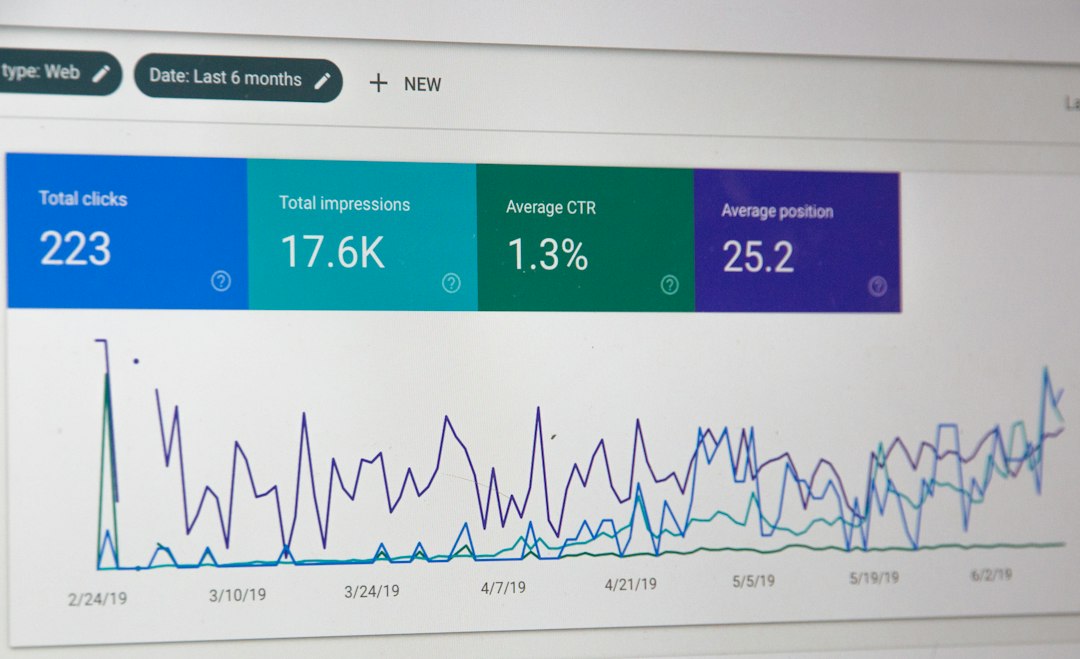
The best Pingdom alternatives are Better Stack, UptimeRobot, Site24x7, Datadog Synthetics, and New Relic for teams that need uptime checks, page speed tracking, and alerts that do not get buried. Speed matters too: Google has reported that 53% of mobile visits are abandoned if a page takes longer than three seconds to load [source: Google].
TLDR: Better Stack is a strong pick for clean uptime monitoring and incident response. UptimeRobot works well for simple checks on a smaller budget. Site24x7 fits teams that want website, server, and cloud monitoring in one place. For example, a small ecommerce site checking its homepage every 60 seconds could catch a five-minute outage fast enough to stop dozens of failed checkout attempts.
Pingdom is still a known name, but many teams want more flexible alerts, clearer dashboards, or better pricing. Some also want synthetic checks, API monitoring, and performance reports without clicking through too many screens. Honestly, it feels like some tools make simple status checks take 20 seconds longer than they should.

1. Better Stack
Better Stack is a strong Pingdom alternative for teams that want uptime checks tied closely to incident response. It monitors websites, APIs, ports, SSL certificates, and cron jobs. Alerts can go to Slack, email, phone calls, Microsoft Teams, and other channels.
Its biggest strength is how clean the workflow feels. A failed check can create an incident, notify the right person, and update a status page. That saves time when a site goes down and people are already stressed.
- Best for: startups, SaaS teams, agencies, and support-heavy businesses.
- Key features: uptime checks, status pages, logs, incident alerts, on-call scheduling.
- Possible drawback: teams that only need basic free checks may not use all its features.
2. UptimeRobot
UptimeRobot is one of the easiest alternatives for basic uptime monitoring. It checks websites, ports, keywords, and SSL certificates. Many users like it because setup is quick and the interface is simple.
The free plan has made it popular with small sites, hobby projects, and early-stage businesses. Paid plans add faster checks, more monitors, maintenance windows, and extra alert options.
- Best for: small businesses, personal sites, and lean teams.
- Key features: HTTP checks, keyword checks, SSL monitoring, public status pages.
- Possible drawback: deeper performance data is limited compared with bigger tools.
The catch is that UptimeRobot is great at saying a site is down, but less helpful when a team needs rich clues about why it happened. For many small teams, that trade-off is fine.
3. Site24x7
Site24x7 is built for teams that need more than website uptime checks. It can monitor servers, cloud apps, networks, real user behavior, application performance, and synthetic transactions.
This makes it useful for IT teams that want one tool for many systems. A retail company, for example, can monitor its homepage, checkout flow, payment API, database server, and cloud resources from one account.
- Best for: IT teams, ecommerce brands, and companies with mixed infrastructure.
- Key features: website checks, synthetic monitoring, server monitoring, cloud tracking, real user monitoring.
- Possible drawback: the number of features can feel heavy for smaller teams.
4. Datadog Synthetics
Datadog Synthetics is a premium choice for engineering teams that already use Datadog or need strong browser and API tests. It can simulate user journeys, test key flows, and connect website issues to infrastructure data.
This is useful when uptime alone is not enough. A homepage may load, but the login button may fail. A checkout page may open, but the payment request may time out. Synthetic tests catch those painful problems before customers start sending angry emails.
- Best for: DevOps teams, SaaS firms, and larger engineering groups.
- Key features: browser tests, API tests, global locations, alert routing, dashboards.
- Possible drawback: costs can rise as checks, locations, and test runs grow.
5. New Relic
New Relic is another strong option for teams that want full performance visibility. It covers uptime checks, synthetic monitoring, application performance, logs, infrastructure, and user experience data.
New Relic works best when a team wants to connect website speed with backend performance. If a product page slows from 1.8 seconds to 4.6 seconds, the team can inspect app traces, database calls, and external services instead of guessing.
- Best for: product teams, software companies, and performance-focused teams.
- Key features: synthetic checks, APM, logs, infrastructure data, real user monitoring.
- Possible drawback: setup can take time if the team wants clean dashboards and alert rules.
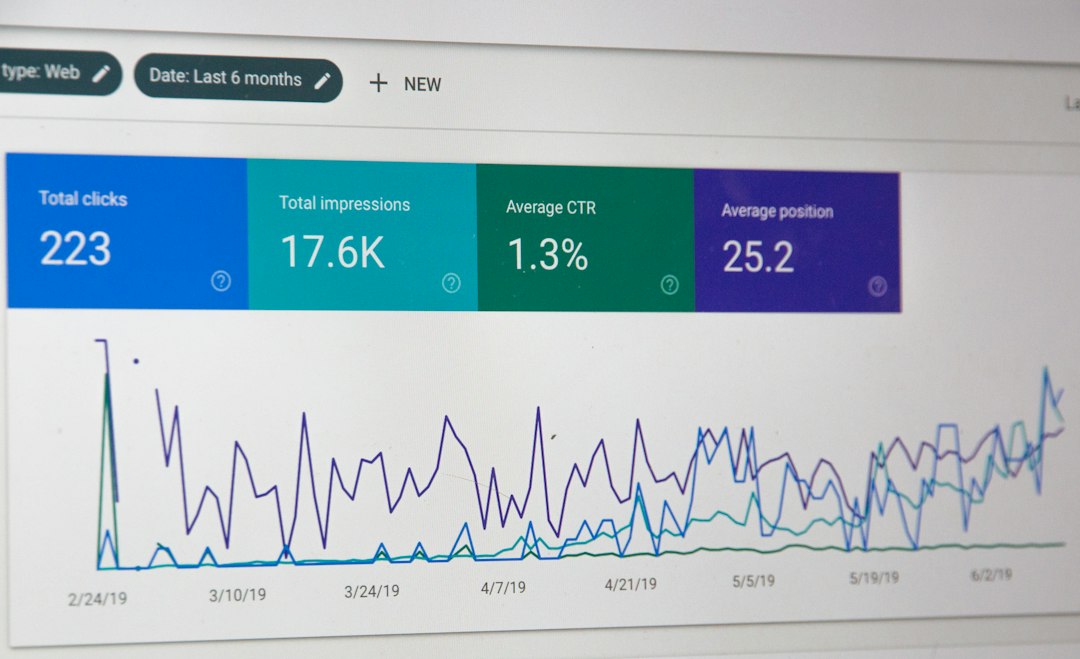
How to Choose the Right Pingdom Alternative
The right tool depends on the team’s pain. If the main concern is basic uptime, UptimeRobot may be enough. If alerts and incidents need to be cleaner, Better Stack is a smart pick. If the team needs broad IT monitoring, Site24x7 makes sense.
For engineering teams, Datadog Synthetics and New Relic offer deeper testing and performance data. They cost more, but they also show more context. That matters when a slow API or broken login flow hurts revenue.
At minimum, a good monitoring setup should include 60-second or 5-minute uptime checks, SSL alerts, page speed tracking, and alerts through more than one channel. Email alone is risky. People miss email. Phone, SMS, Slack, or Teams alerts help reduce that risk.
FAQ
What is the best Pingdom alternative?
Better Stack is the best all-around option for uptime checks, status pages, and incident alerts. For simple monitoring, UptimeRobot is often the easiest choice.
Which Pingdom alternative is best for small websites?
UptimeRobot is a good fit for small websites because it is simple, quick to set up, and budget friendly.
Which tool is best for page speed and performance alerts?
New Relic and Datadog Synthetics are strong choices for performance alerts because they connect synthetic tests with deeper technical data.
Do these tools monitor SSL certificates?
Yes. Most major monitoring tools, including Better Stack, UptimeRobot, Site24x7, Datadog, and New Relic, can help detect SSL certificate issues before they cause trust warnings.
Should a business use more than one monitoring tool?
Some teams do. A company may use one tool for public status pages and another for deep engineering data. This can reduce blind spots, but it also adds extra admin work.