

Instant pay has become a major financial technology trend for employers, gig platforms, marketplaces, and consumer-facing businesses. It allows funds to move in near real time, reducing the waiting period that traditionally exists between earning, requesting, and receiving money. As digital wallets, faster payment rails, and payroll integrations mature, instant pay is becoming less of a perk and more of an expectation.
TLDR: Instant pay enables workers, sellers, or customers to access approved funds almost immediately instead of waiting days for payroll cycles or bank transfers. For example, a delivery driver who earns $120 during a weekend shift may be able to transfer the money to a debit card within minutes. Businesses often use instant pay to improve retention, reduce financial stress, and increase platform engagement. In some workforce studies, access to earned wage payments has been associated with higher shift uptake and lower turnover, particularly among hourly workers.
What Is Instant Pay?
Instant pay refers to payment methods that deliver funds to a recipient in seconds or minutes after approval. It is commonly used in payroll, gig work, creator payments, insurance claims, rebates, customer refunds, and online marketplace payouts.
Unlike traditional ACH transfers, which may take one to three business days, instant pay uses modern payment rails or card networks to move money faster. The recipient may receive funds through a bank account, debit card, prepaid card, digital wallet, or payment app.
Instant pay is sometimes called real time pay, earned wage access, instant payouts, or on demand pay. While these terms overlap, their use depends on the context. In payroll, instant pay often means an employee can access a portion of earned wages before the scheduled payday. In marketplaces, it may mean a seller can cash out available revenue after a sale is confirmed.
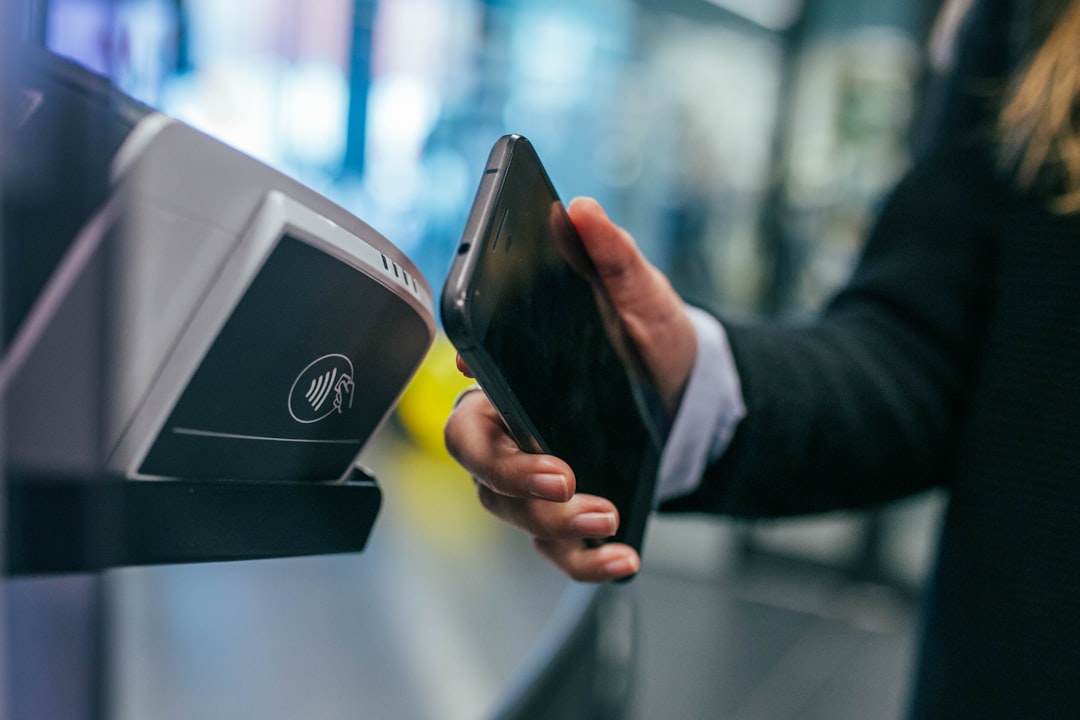
Key Features of Instant Pay
Most instant pay solutions include several common features designed to make payment delivery fast, secure, and easy to manage.
- Real time or near real time transfers: Funds are sent within minutes after approval, depending on the payment rail and bank availability.
- Multiple payout options: Recipients may choose debit card transfers, bank deposits, digital wallets, or prepaid accounts.
- Automated approval rules: Businesses can set limits, eligibility requirements, transaction thresholds, and fraud controls.
- Payroll and platform integrations: Instant pay tools often connect with payroll software, human resources systems, accounting tools, or marketplace dashboards.
- Compliance and reporting: Payment platforms usually provide transaction records, tax documentation support, audit trails, and identity verification features.
- Mobile access: Many solutions offer apps or mobile portals where recipients can request, track, and manage payments.
How Instant Pay Works
The process begins when a user earns, sells, completes work, or qualifies for a payout. The system verifies the available balance and checks rules set by the business or payment provider. Once the request is approved, the payment platform routes the funds through a faster payment method.
For payroll use cases, instant pay may rely on earned wage data from time tracking or payroll systems. If an employee has earned $400 by Wednesday, the platform may allow access to a portion, such as 50% or 70%, before the official payday. On payday, the payroll system reconciles the advance with the final paycheck.
For marketplace use cases, instant pay may be tied to completed transactions. A seller, driver, freelancer, or creator may request a payout after the platform confirms that the funds are cleared and available. The payment platform then sends the money to the recipient’s selected destination.
Benefits for Employees and Contractors
Instant pay offers a practical benefit: faster access to money that has already been earned. This can reduce reliance on credit cards, overdrafts, or short term loans. For hourly workers and gig contractors, timing can be just as important as total income.
Financial flexibility is one of the strongest advantages. A worker may use instant pay to cover groceries, transportation, childcare, or an unexpected bill before payday arrives. This can be especially valuable for households with limited savings.
Instant pay can also improve satisfaction. When workers feel that payment timing matches the pace of their work, the relationship with the employer or platform may feel more transparent and supportive. In competitive labor markets, this can become a meaningful differentiator.
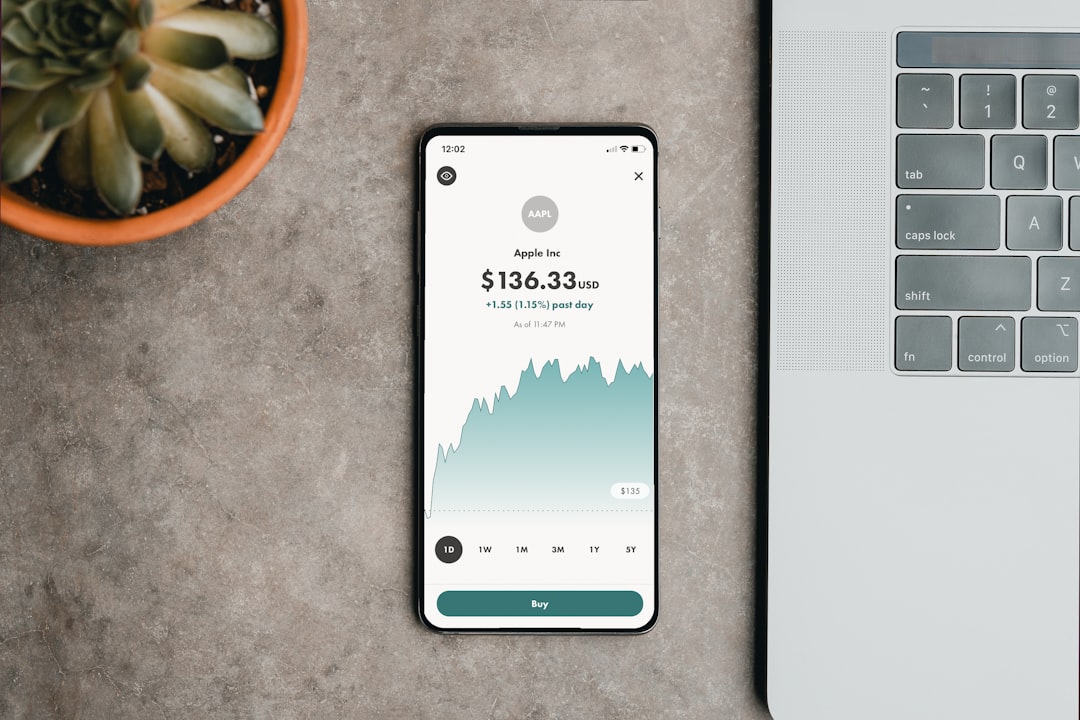
Benefits for Businesses
For employers, gig platforms, and marketplaces, instant pay can be more than a convenience feature. It may support recruitment, retention, productivity, and brand trust.
- Improved employee retention: Workers may be more likely to stay with an employer that offers flexible access to earned wages.
- Higher shift participation: Some businesses use instant pay to encourage workers to accept shifts during peak demand periods.
- Stronger contractor engagement: Gig platforms can use fast payouts to keep drivers, couriers, creators, or freelancers active.
- Better customer experience: Instant refunds, rebates, and insurance payments can improve customer satisfaction.
- Operational efficiency: Automated payouts reduce manual payment processing and support cleaner reconciliation.
For example, a restaurant group with 300 hourly employees might introduce earned wage access to reduce late shift cancellations. If shift acceptance rises by even 8%, management may gain better coverage during evenings and weekends without immediately increasing base wages.
Common Payment Platform Options
Businesses can choose from several types of instant pay platforms. The best option depends on payment volume, user type, compliance needs, geography, and existing software systems.
1. Earned Wage Access Platforms
Earned wage access platforms are built for employers that want to let employees access wages before payday. These systems often integrate with payroll, time tracking, and HR software. They may include financial wellness tools, budgeting features, and employee communication options.
2. Marketplace Payout Providers
Marketplace payout platforms support sellers, freelancers, couriers, creators, and service providers. They commonly offer debit card payouts, bank transfers, tax form collection, identity verification, and global payment support. These tools are useful for platforms handling many small or frequent payouts.
3. Banking and Card Network Solutions
Banks and card networks provide real time payment services through systems such as instant debit card transfers, real time payments, and push to card transactions. These options can be powerful, but they may require more technical setup, compliance review, and banking relationships.
4. Digital Wallet and Payment App Options
Some businesses use digital wallets or payment apps for fast disbursements. These can be convenient for smaller operations or consumer rewards, but they may have limits on transaction size, business controls, reporting, and regulatory coverage.

Important Considerations Before Adoption
Instant pay should be implemented carefully. Businesses need to understand fees, funding requirements, compliance obligations, and employee communication needs. A platform may charge the business, the recipient, or both. While small transaction fees may seem minor, they can become significant at high volume.
Security is another priority. A strong instant pay provider should offer fraud monitoring, encryption, identity verification, role based access, and clear dispute procedures. Payment speed should not come at the cost of weak controls.
Compliance also matters. Payroll payments, contractor payments, tax reporting, wage laws, money transmission rules, and consumer protection requirements may apply. Companies operating in multiple states or countries should confirm that the chosen platform supports local regulations.
Finally, communication is essential. Employees and contractors should understand how much money is available, whether fees apply, when funds arrive, and how instant pay affects regular payroll or account balances. Clear policies help prevent confusion and build trust.
Is Instant Pay the Future of Payments?
Instant pay is likely to become a standard feature across many industries. As consumers grow accustomed to real time banking, same day delivery, and immediate digital services, delayed payments can feel outdated. Businesses that depend on flexible labor, digital marketplaces, or high customer satisfaction may see instant pay as a strategic investment.
However, instant pay is not a replacement for fair wages, responsible cash flow management, or strong payroll practices. It works best when it is transparent, affordable, and integrated into a broader financial experience. When implemented well, it can create value for both payers and recipients.
FAQ
What does instant pay mean?
Instant pay means approved funds are transferred to a recipient almost immediately, often within seconds or minutes, instead of through a traditional multi day payment process.
Is instant pay the same as earned wage access?
Not always. Earned wage access is one type of instant pay used in payroll. Instant pay can also apply to marketplace payouts, refunds, rebates, insurance claims, and contractor payments.
Does instant pay cost money?
Some providers charge a fee per transaction, while others charge the business through a subscription or service agreement. Costs vary by platform, payment method, and transaction volume.
Is instant pay safe?
Instant pay can be safe when supported by secure payment rails, identity verification, fraud monitoring, encryption, and compliant provider practices. Businesses should review security standards before choosing a platform.
Who uses instant pay platforms?
Instant pay is used by employers, gig platforms, online marketplaces, delivery services, staffing companies, insurance providers, retailers, and financial technology companies.
What should a business look for in an instant pay provider?
A business should evaluate integration options, fees, compliance support, payout methods, user experience, reporting tools, security features, and customer support quality.