

Choose HERE WeGo if you want a ready travel app for Europe; choose OpenStreetMap if you want deeper local detail and more control. HERE WeGo is simpler for most tourists, especially with offline maps and public transport routes. OpenStreetMap is not one single app, but a map database used by many apps, and it has more than 10 million registered users worldwide [source: OpenStreetMap].
TLDR: For a 10-day Europe trip across Paris, Berlin, and Prague, HERE WeGo is the safer pick if you want one app that works offline with little setup. OpenStreetMap-based apps can be better for walking paths, bike routes, campsites, and small streets, but you must choose the right app first. If you spend 70% of your trip in cities, use HERE WeGo. If your trip includes hiking, cycling, rural villages, or camper travel, add an OpenStreetMap app as backup.
What each option really is
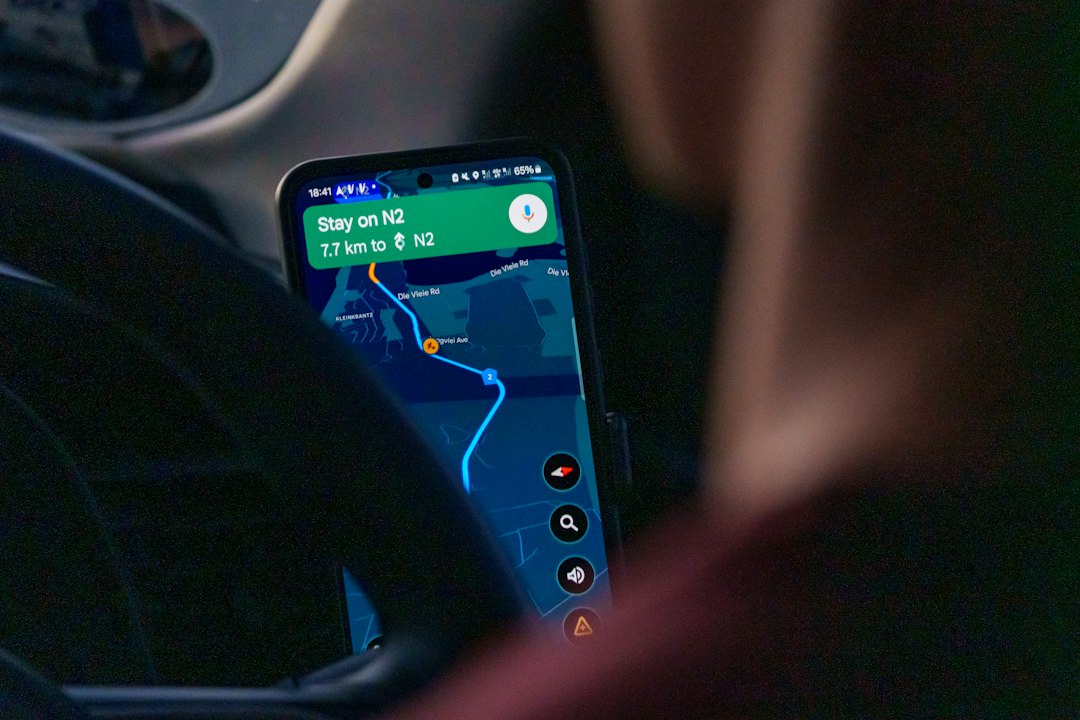
HERE WeGo is a complete map and route planning app. You download it, save maps, search for places, and get driving, walking, taxi, cycling, and public transport routes in many cities. It feels close to Google Maps, but with a stronger focus on offline use.
OpenStreetMap, often called OSM, is different. It is open map data, built and updated by volunteers, local groups, companies, and public data imports. To use it on your phone, you need an app that runs on OSM data, such as OsmAnd, Organic Maps, Maps.me, or Komoot.
This difference matters. HERE WeGo gives you a finished product. OSM gives you richer raw material, but the quality of your experience depends on the app you pick.
Offline maps: HERE WeGo is easier
Offline travel is where HERE WeGo earns trust. Download a country map before your flight, and you can search streets, get routes, and move around without roaming data. For Europe, this is useful because train stations, underground platforms, and old city centers can have weak signal.
OSM apps also offer offline maps. Some do it very well. Organic Maps is simple. OsmAnd is powerful. The catch is that setup can feel messy. You may need to download the base map, contour lines, Wikipedia data, or transport layers separately. It drives me crazy that a “quick offline setup” can turn into five extra downloads when all you wanted was a dinner spot in Lisbon.
Winner for offline simplicity: HERE WeGo.
Accuracy in European cities
In major cities, both choices are strong. HERE WeGo handles main roads, hotels, airports, train stations, and large attractions well. It is usually enough for Rome, Amsterdam, Vienna, Madrid, and similar cities.
OpenStreetMap often shines at street-level detail. You may see footpaths through parks, building entrances, drinking fountains, public toilets, bike parking, steps, gates, and small shortcuts. This can matter more than people expect. In Venice or old parts of Edinburgh, a 200-meter mistake can cost 10 minutes.
Place data is a mixed point. HERE WeGo may be cleaner for known businesses. OSM can be excellent for public items and outdoor details, but café hours and shop names may be outdated in some areas. That is not rare. Small businesses change fast.

Driving across borders
For rental cars, HERE WeGo is the more comfortable choice. It gives clear road routing and supports offline driving across countries. If you are driving from Munich to Salzburg, or from Milan to Lake Bled, it keeps things simple.
OSM-based driving depends heavily on the app. OsmAnd can be excellent, but it has many settings. That is good for advanced users and annoying for tired travelers. Organic Maps is easier, but route choices may feel less polished in complex motorway areas.
For traffic, neither option fully beats Google Maps. HERE WeGo offers traffic features in many places, but coverage and speed can vary. OSM itself does not provide live traffic. Apps may add their own sources, but it is not the core strength.
- Best for rental cars: HERE WeGo.
- Best for quiet rural roads: OpenStreetMap-based apps can be better.
- Best for live traffic: Google Maps still has the edge.
Public transport and walking
HERE WeGo is stronger for normal public transport use. In many large European cities, it can show metro, tram, bus, and train options in one place. That is what most visitors need at 8:30 a.m. with a suitcase and two minutes before the next tram.
OSM is not a public transport planner by itself. It stores stops, platforms, and route data when mapped, but an app must convert that into trip planning. Some do. Some do not. This gap can surprise people.
For walking, OSM-based apps often feel more detailed. They may show tracks through parks, lanes between buildings, and paths near rivers. HERE WeGo is better if you want plain directions with fewer settings.
Hiking, cycling, and outdoor travel
This is where OpenStreetMap becomes the serious choice. In Europe, OSM data is often very strong for hiking trails, cycle paths, mountain huts, viewpoints, shelters, and unpaved tracks. Apps like Komoot and OsmAnd turn that data into useful trip tools.
If you plan to cycle in the Netherlands, hike in the Alps, or visit small villages in Slovenia, OSM data can show things missing from mainstream apps. Trail surface, incline, and access tags may be available, depending on the area and app.
HERE WeGo is not bad here, but it is not built mainly for outdoor detail. It is a travel and city routing app first.

Privacy and control
Travelers who care about privacy may prefer some OpenStreetMap apps. Organic Maps, for example, is known for offline use and a lighter data approach. OSM data is open, so many apps can use it without locking you into one company.
HERE WeGo is still a commercial app. That does not make it unsafe. It only means you should check its privacy settings and account options before travel. Serious travelers should do this with every map app.
Best choice by traveler type
- First-time visitor to Europe: choose HERE WeGo and download country maps before leaving.
- City break traveler: HERE WeGo is enough in most cases.
- Backpacker or train traveler: use HERE WeGo, plus an OSM app for walking detail.
- Hiker or cyclist: use an OpenStreetMap-based app, especially OsmAnd, Komoot, or Organic Maps.
- Campervan traveler: use OSM-based apps for minor roads and camping-related points.
Final recommendation
If you want one Google Maps alternative for European travel, start with HERE WeGo. It is cleaner, faster to learn, and more practical for city trips, driving, and public transport.
If your travel style is more local, rural, or outdoor, add an OpenStreetMap-based app. Do not treat it as a direct app-to-app rival. Treat it as a rich map source with different tools built on top.
The safest setup is simple: HERE WeGo for the main trip, Organic Maps or OsmAnd for backup detail. Download everything before departure. Test a few routes at home. That small step can save real stress when the signal drops in a station, tunnel, or mountain village.