
Choose Modash if your main job is finding fresh micro-influencers fast; choose HypeAuditor if your main job is checking risk, audience quality, and historical performance before you pay. Both tools can help you find creators with 10,000 to 100,000 followers, but they feel built for different teams. Modash is cleaner for discovery at scale. HypeAuditor is stronger when you need deeper fraud checks and campaign reporting.
TLDR: For micro-influencer discovery, Modash is usually the quicker pick because its search feels direct and its creator database is broad across Instagram, TikTok, and YouTube. HypeAuditor is better for verification, especially if fake followers, odd audience locations, or brand safety issues would hurt your campaign. For example, a small skincare brand searching for UK creators might use Modash to shortlist 250 profiles, then use HypeAuditor-style checks to cut that list by 35% after spotting weak engagement or mismatched audiences. If you have one lean marketing person, speed matters; if you have a paid influencer budget over $10,000, data checks matter more.
Why micro-influencer search is harder than it looks
Micro-influencers are attractive because they often have niche audiences, higher trust, and more affordable rates. A creator with 28,000 followers may drive better sales than a celebrity with 2 million followers, especially in categories like fitness, beauty, parenting, food, gaming, and local services.
The problem is volume. You need to find creators who match your niche, location, language, audience age, engagement rate, content style, and contact availability. Then you need to remove the ones with fake followers or audiences in the wrong country. That is where tools like Modash and HypeAuditor come in.
Modash: best for fast creator discovery
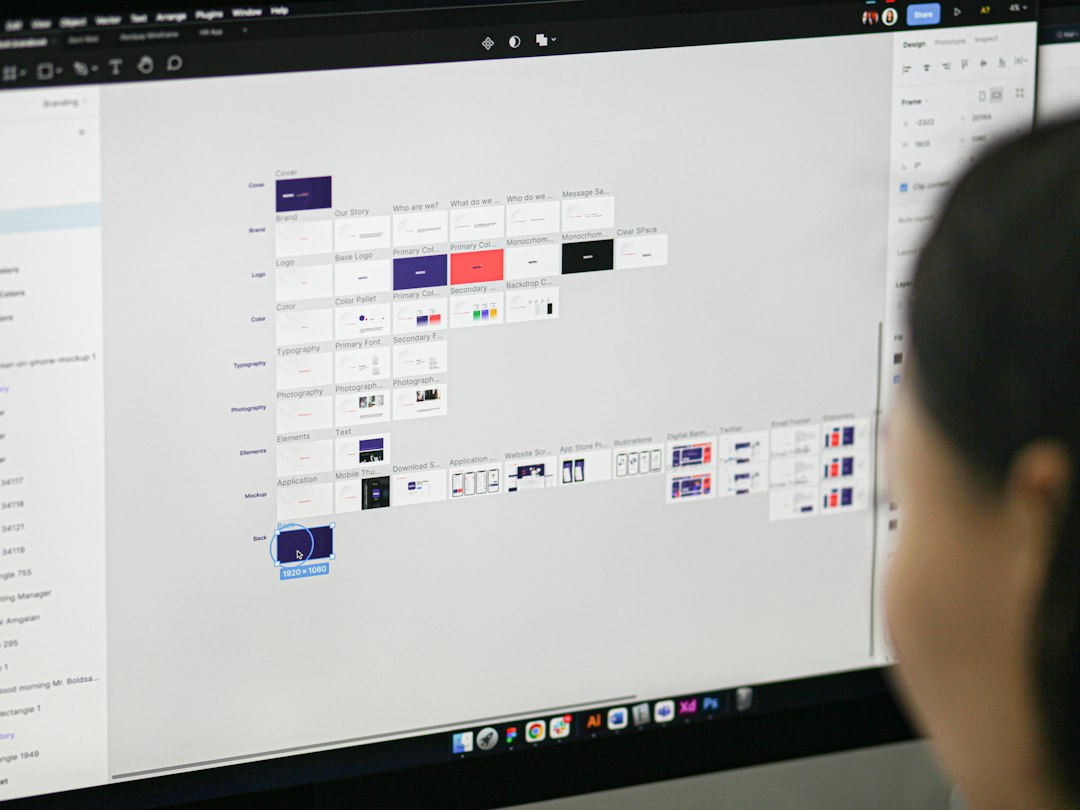
Modash feels built for search first. You can filter creators by platform, follower range, location, bio keywords, hashtags, engagement rate, audience location, audience gender, and audience age. That matters a lot for micro-influencer work because you are not hunting for one famous face. You are building lists of 50, 200, or even 1,000 possible partners.
For example, say you sell vegan protein bars in Germany. You could search for Instagram creators with 10,000 to 80,000 followers, content related to fitness or vegan food, at least 3% engagement, and an audience that is mostly based in Germany. That kind of filtering saves hours.
What works well in Modash:
- Large creator search: It is useful when you need a wide pool, not just obvious names.
- Audience filters: You can screen for where the creator’s followers actually are, not just where the creator lives.
- Simple workflow: Search, view profile, save to a list, export, repeat.
- Good for cold outreach: Contact details are often available, though not always.
- Strong fit for smaller teams: The interface does not feel overloaded.
The catch is that Modash can feel lighter on deep campaign analytics than HypeAuditor. If you want a full risk report, account history, and advanced credibility scoring, you may want more than Modash gives you in a single glance. Still, for finding micro-influencers, it is quick and practical.
HypeAuditor: best for verification and risk checks
HypeAuditor is more data-heavy. It is known for influencer analytics, audience quality scores, fraud detection, campaign reports, and market benchmarking. If your main fear is paying creators who have inflated numbers, HypeAuditor gives you more comfort.
This is useful for micro-influencer campaigns because fake engagement is not only a celebrity problem. Smaller creators can buy likes, join engagement pods, or attract audiences that do not match your buyer. A creator may look perfect on the surface, then turn out to have only 42% of followers in your target country. That can wreck your results.
What works well in HypeAuditor:
- Audience quality analysis: Strong checks for suspicious followers and unusual engagement.
- Brand safety tools: Helpful for regulated sectors or cautious brands.
- Campaign measurement: Better if you need post-campaign reports for managers or clients.
- Competitor research: Useful for seeing which creators other brands work with.
- Detailed creator reports: Good for reducing bad picks before money is spent.
Honestly, it feels like HypeAuditor can be more than you need if all you want is a clean prospecting list by Friday. Some tasks take extra clicks because so much data is packed into the product. That is not a dealbreaker. It just means the tool fits analysis-heavy teams better than scrappy outreach teams.
Side-by-side comparison for micro-influencer search
| Category | Modash | HypeAuditor |
|---|---|---|
| Best use | Finding lots of relevant creators quickly | Checking creator quality and campaign risk |
| Search experience | Simple, fast, list-focused | Detailed, data-rich, more complex |
| Audience filters | Strong for discovery | Strong for validation |
| Fraud detection | Useful basics | More advanced and central to the product |
| Campaign reporting | Good for lighter workflows | Better for formal reporting |
| Learning curve | Lower | Higher |
Which tool is better for smaller brands?
If you are a small ecommerce brand, local business, or startup, Modash is often the better first tool. You likely need names, contact details, and filters that help you create a shortlist. You do not need a 40-page analysis of every creator before sending the first email.
A simple workflow could look like this:
- Search for creators with 10,000 to 75,000 followers.
- Filter for 3% or higher engagement.
- Require at least 60% audience match in your target country.
- Save 150 profiles.
- Manually review the top 40 for content quality and tone.
- Contact 25 and aim for 8 to 12 replies.
That process is realistic for one marketer. It also keeps the work moving. Expect some messy data and dead email addresses, because creator discovery is never perfect. But Modash keeps the boring part shorter.
Which tool is better for agencies and bigger campaigns?
If you run influencer campaigns for clients, HypeAuditor may be the safer choice. Agencies need proof. Clients ask why a creator was selected. Finance teams ask whether the spend was worth it. HypeAuditor gives you more data to support those answers.
For a campaign with 40 creators and a $50,000 budget, better screening can save real money. If fraud checks help you remove even 6 weak creators before contracts are signed, you might save thousands in wasted product, fees, and staff time.
Pricing and value
Pricing changes, so check each website before you decide. In general, Modash tends to feel more approachable for teams focused on discovery, while HypeAuditor often fits teams that can justify deeper analytics and reporting. The right choice is not just the cheaper one. It is the one that saves more hours and prevents more bad creator picks.
If your team sends 300 outreach emails per month, a faster search tool can pay for itself. If your team spends five figures per campaign, stronger fraud checks can pay for themselves even faster.
Final recommendation
Pick Modash if you want to find micro-influencers quickly, build lists, and start outreach without getting buried in reports. It is the better fit for lean teams, niche consumer brands, and marketers who need volume.
Pick HypeAuditor if you want to verify creators deeply, reduce fraud risk, and produce polished campaign analysis. It is the better fit for agencies, larger brands, and teams that need to defend every creator choice with data.
The smartest setup is often both in sequence: use Modash to find the longlist, then use deeper checks before contracts go out. If you must choose one, choose based on your real bottleneck. If you lack creator options, get Modash. If you lack trust in the creators you find, get HypeAuditor.