
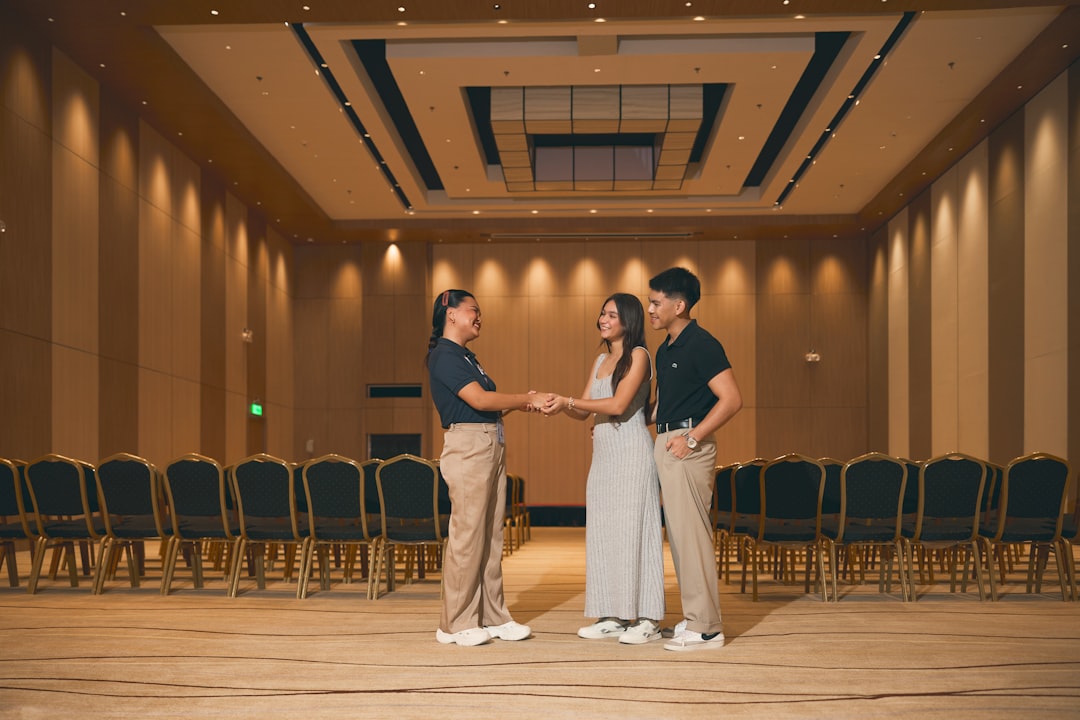
Behind every smooth conference check-in, memorable product launch, elegant wedding reception, or high-energy fundraiser is someone quietly managing dozens of moving parts. An event coordinator turns ideas into organized experiences by handling logistics, schedules, vendors, guests, budgets, and last-minute surprises. It is a role for people who enjoy planning, communication, creativity, and the occasional adrenaline rush.
TLDR: An event coordinator plans and manages the practical details of events, from venue setup to vendor communication and guest experience. For example, a coordinator organizing a 300-person corporate seminar may manage 8 vendors, 12 speakers, 40 staff members, and a budget of $75,000. The role requires strong organization, problem-solving, communication, and time management skills. With experience, event coordinators can move into event management, production, hospitality leadership, or freelance event planning.
What Does an Event Coordinator Do?
An event coordinator is responsible for making sure an event happens according to plan. While an event planner may focus more on the concept, theme, and overall strategy, the coordinator often handles the execution: timelines, confirmations, venue details, setup, schedules, and communication between all parties.
The work can vary depending on the industry. A coordinator at a hotel may manage banquets and conferences, while one at a nonprofit may organize galas and fundraising dinners. In a corporate environment, the role may involve trade shows, staff retreats, product launches, webinars, and client events.

Key Responsibilities
Event coordinators wear many hats, often switching between creative thinking and practical problem-solving within the same hour. Their core responsibilities usually include:
- Planning logistics: Coordinating venues, dates, room layouts, travel, permits, insurance, signage, catering, equipment, and staffing.
- Managing vendors: Communicating with caterers, florists, AV teams, decorators, entertainers, security staff, photographers, and transportation providers.
- Building timelines: Creating schedules for setup, rehearsals, arrivals, presentations, meal service, entertainment, breakdown, and cleanup.
- Tracking budgets: Monitoring costs, comparing vendor quotes, processing invoices, and helping the event stay financially realistic.
- Communicating with clients and teams: Providing updates, confirming details, answering questions, and keeping everyone aligned.
- Handling registrations and guest experience: Managing invitations, RSVPs, ticketing, seating charts, check-in desks, and attendee support.
- Solving problems on-site: Responding quickly when a speaker is late, the microphone fails, the weather changes, or a supplier misses a deadline.
The best coordinators make complexity look effortless. Guests may never notice that the seating chart was changed at the last minute or that a backup projector saved the keynote presentation, and that is often the point.
Essential Skills for Success
Event coordination is not just about liking parties or being social. It is a demanding operational role that requires a balanced mix of soft skills, technical knowledge, and attention to detail.
- Organization: Coordinators must manage multiple deadlines, documents, contacts, and decisions at once.
- Communication: Clear emails, confident phone calls, calm on-site instructions, and professional client updates are essential.
- Problem-solving: Events rarely go exactly as planned. A good coordinator quickly finds realistic solutions without creating panic.
- Budget awareness: Even creative events must meet financial limits. Understanding quotes, contracts, deposits, and payment schedules matters.
- Negotiation: Coordinators often negotiate pricing, delivery times, menus, room blocks, and vendor terms.
- Time management: Deadlines are fixed. If an event starts at 6 p.m., everything must be ready by then.
- Customer service: Whether working with executives, couples, donors, sponsors, or attendees, patience and professionalism are vital.
- Calm under pressure: A coordinator may deal with missing name badges, broken décor, traffic delays, and demanding guests all in one day.
Creativity also helps, especially when designing guest experiences, choosing themes, improving layouts, or finding budget-friendly alternatives. However, creativity must be supported by execution. In events, a brilliant idea is only valuable if it can be delivered on time and within budget.
Tools Event Coordinators Use
Modern event coordination relies heavily on digital tools. While some professionals still love printed binders and clipboards, most successful coordinators combine traditional checklists with software that improves collaboration and accuracy.
- Project management tools: Platforms such as Trello, Asana, Monday.com, or ClickUp help track deadlines, responsibilities, and progress.
- Spreadsheets: Google Sheets and Excel are commonly used for budgets, guest lists, seating plans, timelines, and vendor comparisons.
- Registration platforms: Eventbrite, Cvent, and similar tools help manage ticketing, RSVPs, attendee data, and check-ins.
- Communication tools: Email, Slack, Microsoft Teams, and WhatsApp groups keep clients, staff, and vendors connected.
- Design and layout tools: Canva, floor plan software, and presentation tools help visualize event spaces and materials.
- CRM systems: For corporate or nonprofit events, customer relationship management tools help track sponsors, donors, leads, and contacts.
- On-site technology: Badge printers, QR code scanners, tablets, mobile payment tools, radios, and event apps support smooth live operations.

The right tools depend on the event size. A small workshop may only need a spreadsheet and email calendar, while a conference with 2,000 attendees may require registration software, mobile apps, lead capture tools, and detailed production schedules.
Salary Expectations
Event coordinator salaries vary based on location, industry, experience, employer type, and event complexity. In the United States, entry-level event coordinators often earn around $40,000 to $50,000 per year, while experienced coordinators may earn $55,000 to $70,000 or more. In major cities or specialized industries such as technology, luxury hospitality, healthcare, or large-scale corporate events, compensation can be higher.
Freelance event coordinators may charge hourly rates, day rates, or project fees. A beginner might charge $25 to $40 per hour, while experienced independent coordinators can charge $75 to $150 per hour depending on the event type and market. Wedding and private event coordinators may also offer packages, such as day-of coordination, partial planning, or full-service production support.
Benefits can also add value. Full-time event roles may include health insurance, retirement contributions, travel opportunities, meals during events, professional development, and bonuses. However, the job may involve evenings, weekends, holidays, long hours, and physically active event days.
Career Path and Growth Opportunities
Many event coordinators begin in entry-level hospitality, marketing, administrative, nonprofit, or customer service roles. Common starting points include event assistant, banquet coordinator, administrative coordinator, venue assistant, marketing assistant, or conference services associate.
With experience, the career path can grow in several directions:
- Event Coordinator: Handles logistics, vendor coordination, timelines, and attendee details.
- Senior Event Coordinator: Manages more complex events, junior staff, larger budgets, and higher-profile clients.
- Event Manager: Oversees event strategy, planning teams, client relationships, and full project delivery.
- Director of Events: Leads event departments, annual calendars, budgets, partnerships, and business goals.
- Independent Event Planner or Producer: Builds a client base and manages events as a business owner or consultant.
Some coordinators specialize in a specific niche. Popular specialties include weddings, corporate meetings, trade shows, festivals, nonprofit fundraising, sports events, luxury private events, academic conferences, virtual events, and destination events. Specialization can help professionals command higher fees and build a recognizable reputation.

How to Become an Event Coordinator
A degree is helpful but not always required. Employers often value practical experience, reliability, and strong references. Degrees in hospitality management, marketing, communications, public relations, business, or tourism can provide a useful foundation.
To enter the field, aspiring coordinators can:
- Volunteer at community events, charity fundraisers, festivals, or school functions.
- Apply for internships with venues, hotels, agencies, nonprofits, or corporate event teams.
- Create sample timelines, budgets, and event proposals to build a portfolio.
- Learn basic budgeting, contract reading, and vendor communication.
- Develop confidence with event software, spreadsheets, and registration platforms.
- Ask for testimonials after helping with successful events.
Professional certifications can also help, especially for long-term growth. Options include Certified Meeting Professional, Certified Special Events Professional, and other hospitality or event management credentials. While certification is not mandatory for every role, it can show commitment and strengthen credibility.
Is This Role Right for You?
Event coordination can be exciting, challenging, and highly rewarding. It suits people who enjoy structure but can adapt quickly, who notice small details but understand the big picture, and who can remain courteous even when pressure rises. The role is especially satisfying because the results are visible: a packed conference room, a happy client, a successful fundraiser, or a celebration people remember for years.
If you are organized, energetic, resourceful, and comfortable managing both people and logistics, the event coordinator role can offer a dynamic career with many paths forward. Every event is different, and for the right person, that variety is exactly what makes the profession so engaging.