

Zip, formerly known as Quadpay in the United States, is a buy now, pay later service that lets shoppers split purchases into installments, often four payments over several weeks. Because it feels different from a credit card or personal loan, many users wonder whether Zip affects their credit score. The answer depends on where you live, which Zip product you use, and whether you pay on time.
TLDR: In the U.S., Zip generally does not report regular on-time “Pay in 4” payments to the major credit bureaus, so using it responsibly may not help you build credit. However, missed payments can still create fees, account restrictions, and potentially collections activity, which may hurt your credit if reported. For example, if a customer misses a $75 installment and it is eventually sent to collections, that negative account could have a much larger score impact than the original purchase amount suggests.
Does Zip Report to Credit Bureaus?
For most U.S. customers using Zip’s short-term installment product, Zip does not typically report routine repayment activity to the three major credit bureaus: Experian, Equifax, and TransUnion. That means paying your Zip installments on time usually will not appear as positive payment history on your credit report.
This is important because payment history is the single largest factor in many credit scoring models. In FICO scoring, for example, payment history accounts for about 35% of your score. If Zip does not report your on-time payments, those payments generally cannot strengthen that portion of your credit profile.
However, “does not usually report” should not be confused with “has no consequences.” If you fail to pay Zip, the company may charge late fees, pause your ability to make new purchases, attempt additional payment collections, or refer the unpaid balance to a collection agency. If a collection account is reported to the credit bureaus, it can damage your credit score.
Will Applying for Zip Hurt Your Credit Score?
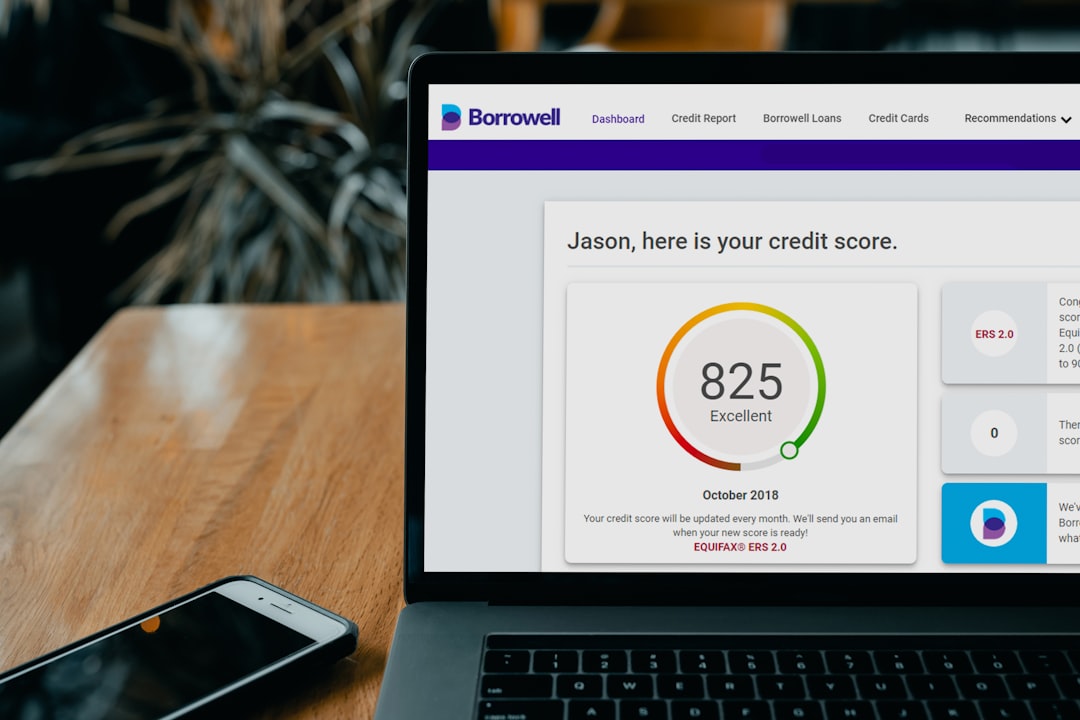
In many cases, Zip uses a soft credit check or alternative approval process rather than a hard inquiry. A soft check does not affect your credit score and is commonly used for identity verification, fraud prevention, and basic risk assessment.
A hard inquiry, by contrast, can slightly lower your score for a short period and typically appears on your credit report. Traditional credit cards, auto loans, and mortgages commonly involve hard inquiries. Zip’s standard short-term installment product is generally designed to be more accessible and may not require the same underwriting process.
Still, users should read the most current terms before applying. Zip’s policies may vary by country, product, merchant, and customer profile. In some markets or for some financing products, credit reporting and credit checks may be handled differently.
Can Zip Help You Build Credit?
For U.S. users, Zip is usually not an ideal credit-building tool. Since on-time payments are generally not reported to the major bureaus, responsible use may not improve your credit score in the way a credit card, credit-builder loan, or reported installment loan can.
That does not mean Zip is useless from a financial management standpoint. For some shoppers, it can help spread out a necessary purchase over a short period without using a credit card. But if your main goal is to build credit, you may be better served by options that report positive activity, such as:
- A secured credit card with monthly reporting to all three bureaus
- A credit-builder loan from a bank, credit union, or reputable fintech lender
- Becoming an authorized user on a well-managed credit card account
- Paying existing loans or cards on time and keeping utilization low
The key difference is visibility. Credit scores are built from data reported to the bureaus. If a payment account is not reported, it usually cannot help your score, even if you manage it perfectly.
How Zip Can Hurt Your Credit
Zip may not report ordinary on-time payments, but misuse can still create indirect credit damage. The biggest risk is letting a balance become seriously overdue.
Potential consequences include:
- Late fees: Missed payments may trigger fees, increasing the total amount owed.
- Account suspension: Zip may limit or block future purchases until the balance is resolved.
- Debt collection: Unpaid balances may be transferred or sold to a collection agency.
- Credit report damage: If a collection agency reports the debt, it may appear as a negative item.
A single collection account can remain on a credit report for up to seven years from the date of the original delinquency. Its impact may fade over time, but it can still affect loan approvals, interest rates, apartment applications, and even some employment-related checks.
Why BNPL Credit Reporting Is Complicated
Buy now, pay later services do not fit neatly into traditional credit reporting systems. A typical Zip purchase may be small, short-term, and paid off within six weeks. Traditional credit scoring models were built around longer-term accounts such as credit cards, auto loans, mortgages, and student loans.
This creates a challenge. If every small BNPL purchase were reported as a separate loan, a consumer’s credit file could become crowded with many short-term accounts. That could confuse lenders and potentially distort credit scoring models. On the other hand, not reporting BNPL activity means responsible users do not get credit for paying on time.
Credit bureaus and scoring companies have been developing ways to handle BNPL data more accurately. Some newer scoring models may eventually incorporate this information more effectively. For now, consumers should assume that Zip’s standard short-term repayment activity may not help their traditional credit score, while unpaid debts can still cause harm if they escalate.
Zip in Different Countries and Products
Credit reporting rules can differ significantly outside the United States. Zip operates in multiple markets, and some products may function more like a line of credit or longer-term financing arrangement. In those cases, formal credit checks and credit bureau reporting may be more likely.
For example, a short-term “Pay in 4” purchase may be treated differently from a larger financing product with longer repayment terms. Consumers should not assume that all Zip products have the same credit impact. Before using Zip, review:
- The product name and repayment structure
- Whether the application involves a soft or hard credit check
- Whether Zip reports payments to credit bureaus in your country
- What happens if a payment is late or unpaid
- Whether the merchant offers a special financing arrangement
Practical Example: How Zip Might Affect a User
Consider a shopper named Maria who uses Zip to split a $200 purchase into four payments of $50. She pays each installment on time. In the U.S., this activity likely does not appear on her credit reports, so her score may remain unchanged. She avoids interest and late fees, but she also does not build reported credit history.
Now consider a different situation. Maria makes the same purchase but misses the final two payments. The balance grows due to fees, and after repeated failed collection attempts, the debt is referred to a third-party collector. If that collection agency reports the account, Maria’s credit score could drop, especially if her credit file is thin or previously clean.
The lesson is clear: Zip may be low-impact when used correctly, but it is not risk-free.

How to Use Zip Without Damaging Your Credit
If you choose to use Zip, treat it like any other financial obligation. Short-term installments can be manageable, but they become risky when stacked across multiple purchases.
- Track every installment date. Add reminders to your phone or calendar.
- Use one payment method with enough funds. Failed card payments can trigger problems quickly.
- Avoid multiple overlapping plans. Four small purchases can become sixteen separate payments.
- Do not use Zip for nonessential spending if you are already carrying debt.
- Check your credit reports regularly. Look for unexpected collection accounts or errors.
You can review your credit reports for free through authorized credit report sources. If you see an incorrect collection related to a BNPL account, dispute it promptly with the credit bureau and the reporting company.
Bottom Line
Zip generally does not report standard on-time U.S. Pay in 4 payments to Experian, Equifax, or TransUnion, so it usually will not help you build credit. It also typically does not hurt your score simply because you use it responsibly. The real credit risk comes from missed payments, collections, and poor debt management.
Use Zip as a short-term budgeting tool only when you are confident you can repay every installment on time. If your goal is to improve your credit score, rely on products that clearly report positive payment history to the major credit bureaus.