
Boeing’s most serious competitor is Airbus, and the rivalry is the core benchmark for aerospace competitive research. The two companies dominate large commercial aircraft, compete fiercely in defense-adjacent aviation, and shape airline fleet decisions for decades. For analysts, suppliers, investors, and airline planners, the Boeing vs Airbus comparison is less about brand preference and more about safety record, delivery reliability, backlog strength, fuel efficiency, pricing power, and trust.
TLDR: Airbus has outpaced Boeing in recent commercial aircraft deliveries, especially in the narrowbody market, while Boeing remains powerful in widebody jets, defense, services, and long-term airline relationships. In 2023, Airbus delivered 735 aircraft, compared with Boeing’s 528 deliveries, giving Airbus a clear production edge. For example, an airline choosing between the Airbus A320neo and Boeing 737 MAX may weigh fuel burn, delivery slots, pilot training costs, and public perception before placing a multibillion-dollar order. The rivalry is close, but Airbus currently has stronger momentum in commercial aviation.
Why Boeing and Airbus dominate aerospace competition
Boeing and Airbus sit at the center of the global jet market because building large commercial aircraft is brutally hard. Certification takes years. Factories cost billions. Supply chains stretch across continents. Airlines also hate switching platforms because pilot training, spare parts, maintenance systems, and simulator programs are expensive.
That creates a high barrier for smaller competitors. Embraer is strong in regional jets. COMAC is growing in China with the C919. Bombardier reshaped its business after leaving commercial aviation. Yet none of them match Boeing and Airbus across global narrowbody and widebody categories.
The real fight is not just aircraft against aircraft. It is ecosystem against ecosystem. Airlines buy reliability, resale value, training support, engine options, financing help, and service access. One bad delivery delay can harm a route launch. One grounded fleet can wreck quarterly earnings. That is why this rivalry matters so much.

Boeing vs Airbus by commercial aircraft deliveries
Commercial deliveries are one of the clearest competitive signals. Orders are exciting, but deliveries bring revenue. They also show whether factories, suppliers, and regulators are aligned.
- Airbus 2023 deliveries: 735 commercial aircraft
- Boeing 2023 deliveries: 528 commercial aircraft
- Airbus 2023 gross orders: 2,319 aircraft
- Boeing 2023 gross orders: 1,456 aircraft
- Airbus 2023 net orders: 2,094 aircraft
- Boeing 2023 net orders: 1,314 aircraft
These numbers show Airbus ahead in both output and order intake for that period. That difference matters because airlines want delivery certainty. A carrier planning routes for 2027 cannot do much with promises if aircraft arrive late.
Honestly, it feels like Boeing spends too much time trying to recover lost operational rhythm. The company still has enormous strengths, but production quality issues and regulatory scrutiny have slowed its commercial rebound. Airbus has had its own supplier headaches, especially with engines and cabin equipment, but it has looked steadier.
The narrowbody battle: 737 MAX vs A320neo family
The narrowbody market is the financial engine of modern aviation. These aircraft fly short and medium routes. They serve low cost carriers, legacy airlines, and domestic networks. The main contest is between the Boeing 737 MAX and the Airbus A320neo family.
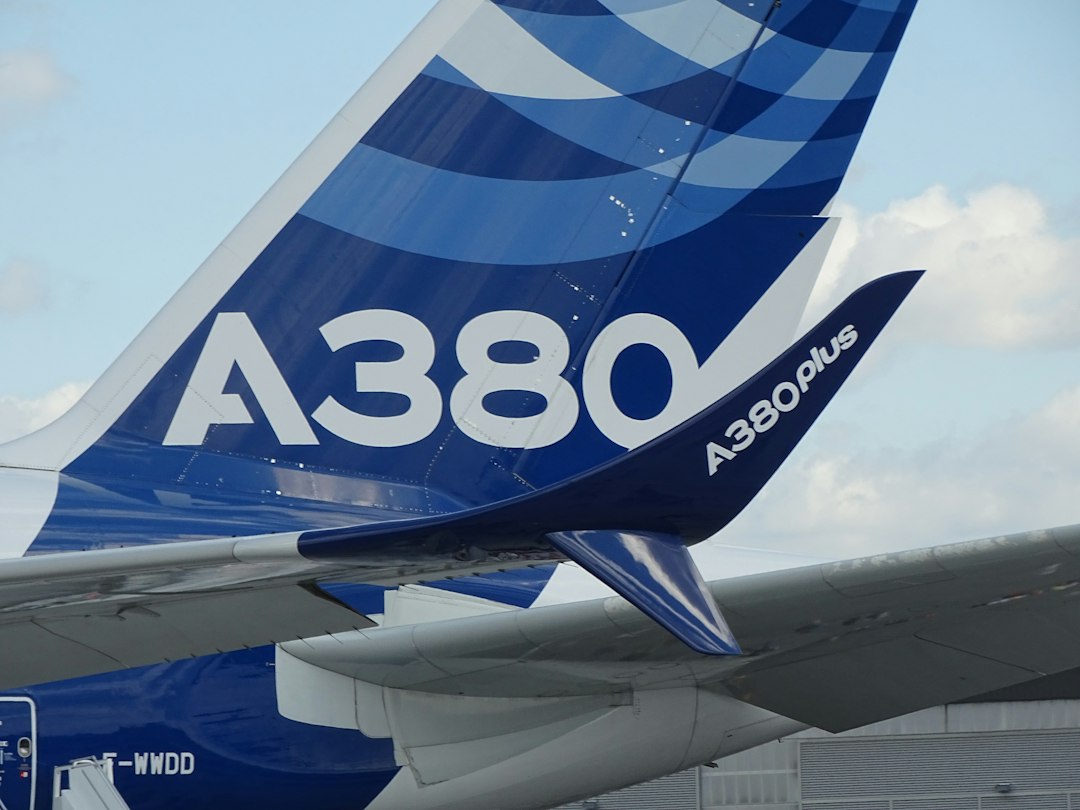
Airbus has a major advantage with the A321neo. It offers strong range, high seat capacity, and flexibility for thinner long routes. Airlines can use it between smaller cities that cannot fill a widebody jet. That has made the A321neo one of the most desired aircraft in the world.
Boeing’s 737 MAX is still a serious competitor. The MAX 8 is popular with carriers such as Southwest and Ryanair. It offers strong economics when operated at scale. The problem is trust. The 737 MAX grounding after two fatal crashes damaged Boeing’s reputation deeply. Even after regulatory approval returned, the brand carried public and airline pressure.
For competitive research, the key narrowbody questions are simple:
- Which aircraft has earlier delivery slots?
- Which model has better fuel performance on the planned route?
- How much will pilot training cost?
- Can the airline reuse existing maintenance infrastructure?
- Will passengers react negatively to the aircraft type?
The widebody contest: Boeing keeps real strength
Boeing remains highly competitive in widebody aircraft. Its 787 Dreamliner changed long haul economics by allowing airlines to open direct routes with fewer seats than older jumbo jets required. The 777 family also has a strong cargo and long haul reputation.
Airbus competes with the A350, which has become a favorite for premium long haul operations. It is efficient, modern, and well regarded by many carriers. The A330neo targets a cost conscious segment, though it has not matched the order energy of the A350.
The delayed Boeing 777X is a major story. If it performs as expected, it could help Boeing defend the high capacity widebody market. But delays create an opening for Airbus. Airlines do not like waiting years while fleet plans sit in limbo. The catch is that widebody replacement cycles are slower, so Boeing still has time to protect its position.
Defense, space, and services give Boeing another angle
Airbus is not only a commercial aircraft company. It has defense, helicopters, satellites, and space operations. Still, Boeing’s defense and space business gives it a major competitive base in the United States. Boeing builds military aircraft, refueling tankers, rotorcraft, missiles, satellites, and related systems.
This matters because aerospace research should not stop at passenger jets. Boeing can absorb some commercial pressure through defense and services revenue, though defense contracts can also create cost overruns. Airbus has a strong European defense role, but its exposure and customer mix differ.
Services are another high value arena. Aircraft need decades of maintenance, parts, software, and upgrades. A jet sale may start the relationship, but aftermarket support keeps money flowing. Both companies want a larger share of that lifetime customer spend.
Brand risk and safety perception
Safety perception is now one of Boeing’s biggest challenges. Airlines care about performance, but they also care about passenger confidence. A model can meet technical standards and still face emotional resistance from travelers.
Airbus has benefited from looking calmer and more consistent in recent years. Fair or not, perception affects negotiations. It can influence political pressure, regulator behavior, and airline communications. Boeing must prove that quality control is not a slogan. It has to show measurable improvement aircraft after aircraft.
Other Boeing competitors worth watching
Airbus is the main rival, but it is not the only name in competitive research.
- Embraer: Strong in regional and small narrowbody jets, especially the E Jet family.
- COMAC: China’s state backed aircraft maker, with the C919 aimed at the A320 and 737 segment.
- Lockheed Martin: A major defense competitor, especially in military aviation and advanced systems.
- Northrop Grumman: Competes in defense, autonomous aircraft, space, and surveillance systems.
- RTX: A key aerospace and defense player through engines, avionics, missiles, and systems.
COMAC deserves special attention. The C919 will not displace Boeing or Airbus globally overnight. Certification outside China remains a hurdle. Still, China is one of the world’s largest aviation markets. If Chinese airlines buy domestic aircraft at scale, Boeing and Airbus could lose future share in a critical region.
What analysts should track next
For aerospace competitive research, focus on hard indicators rather than press releases. Track monthly deliveries, quality escapes, new orders, cancellations, backlog changes, certification delays, engine shortages, and free cash flow. Watch airline fleet decisions from major buyers such as United, Delta, Ryanair, IndiGo, Emirates, and Turkish Airlines.
Airbus currently looks stronger in commercial aircraft momentum. Boeing still has deep engineering talent, a huge installed base, and valuable defense exposure. The rivalry is far from settled. But for now, Airbus is setting the pace, and Boeing is under pressure to regain trust, speed, and consistency.