

A strong brand video should explain who you are, why you matter, and why the viewer should trust you within the first few seconds. It is not just a polished clip. It is a business asset built from strategy, story, production discipline, clear creative direction, smart distribution, and measured audience response.
TLDR: Brand videos work best when they are planned around one clear message, one defined audience, and one measurable action. For example, a B2B software company might use a 90-second customer story video on its homepage and see demo requests rise from 3.2% to 5.1% over six weeks. The video should feel human, but the process behind it should be structured. Good creative still needs sharp goals, tight editing, and honest performance data.
What Is a Brand Video?
A brand video is a short film that communicates the identity, values, promise, and personality of a company. It can introduce a business, explain a mission, support a campaign, attract talent, or build trust with buyers.
The best brand videos do not try to say everything. They focus. A viewer should leave with one strong idea, such as “this company understands my problem” or “this brand feels credible and different.”
Common types include:
- Company overview videos for websites, sales decks, and investor presentations.
- Founder story videos that explain purpose and origin.
- Customer story videos that show results through real clients.
- Product brand videos that connect features to a bigger promise.
- Recruitment videos that show culture and employee experience.
- Campaign videos for launches, events, and social media.
Start With Strategy, Not Cameras
Many weak brand videos fail before filming begins. They start with a vague request: “We need something cool.” That is not a brief. It is a risk.
Before production, define five things:
- Audience: Who is this for? Buyers, employees, investors, partners, or the public?
- Objective: What should change after someone watches?
- Core message: What is the one idea they must remember?
- Proof: What makes the message believable?
- Action: What should the viewer do next?
A serious brand video links emotion to evidence. It may use a founder’s voice, real customer data, behind the scenes footage, interviews, or product visuals. Without proof, the video becomes decoration.
Brand Storytelling That Feels Real
Brand storytelling is not about forcing a dramatic plot onto a company. It is about creating a clear path from problem to belief.
A useful structure is simple:
- The tension: What problem, shift, or frustration does the audience recognize?
- The point of view: What does the brand believe about that problem?
- The proof: How does the brand act on that belief?
- The outcome: What becomes better for customers, teams, or communities?
For example, a logistics company should not open with trucks on highways and generic music. It should show what delayed shipments cost a real operations team. Then it can show how the company reduces that pressure through reliable systems and clear communication.
Honestly, it feels like many corporate videos still sound as if a committee wrote every line. Avoid that. Use plain language. Let people speak in their own words. Cut slogans unless they earn their place.
Creative Direction: Make Every Choice Serve the Message
Creative direction controls tone, visual style, pacing, music, lighting, framing, graphics, and performance. It keeps the video from becoming a random collection of nice shots.
Start by defining the emotional tone. Should the video feel calm, bold, precise, warm, premium, practical, or urgent? Then match the production choices to that tone.
- Camera style: Locked shots feel stable. Handheld shots feel closer and more immediate.
- Lighting: Soft light feels human. High contrast feels dramatic and sharp.
- Color: Muted tones may feel refined. Bright colors may feel energetic.
- Music: The track should support the message, not fight it.
- Editing pace: Fast cuts can build excitement. Slower edits can build trust.
Good creative direction also protects brand consistency. Fonts, colors, captions, lower thirds, logo usage, and motion graphics should match the wider identity system. A video that looks detached from the rest of the brand weakens recognition.
Production Process: From Brief to Final Cut
A reliable brand video production process has clear stages. Skipping them usually creates rework, higher costs, and weaker edits.
- Discovery: Review goals, audience, brand guidelines, competitors, and distribution needs.
- Creative brief: Lock the message, tone, format, length, and success metrics.
- Script or outline: Write narration, interview questions, scene notes, and key visual ideas.
- Pre production: Plan locations, casting, crew, equipment, schedule, permissions, and shot list.
- Filming: Capture interviews, b roll, product footage, environment shots, and sound.
- Post production: Edit the story, mix audio, color grade, add graphics, captions, and exports.
- Review: Gather feedback against the brief, not personal taste.
- Delivery: Export versions for web, social, paid media, sales, and events.
The catch is, post production often takes longer than teams expect. A 90-second film may require hours of interview review, alternate cuts, caption checks, music licensing, and format changes. Some editing tools also bury basic export settings three menus deep, which can add painful extra minutes every time a new version is needed.
Recommended Lengths and Formats
Length should follow purpose. Do not stretch a video because expensive footage exists.
- Homepage brand video: 60 to 120 seconds.
- Paid social ad: 6 to 30 seconds.
- Customer story: 90 seconds to 3 minutes.
- Recruitment video: 60 to 150 seconds.
- Event opener: 45 to 90 seconds.
- Explainer style brand video: 60 to 180 seconds.
Create cutdowns from the start. A master video is useful, but short clips often carry performance across channels. Plan vertical, square, and widescreen versions before the shoot. Otherwise, key faces and graphics may be cropped badly later.
Distribution: Put the Video Where Decisions Happen
A brand video has little value if the right people never see it. Distribution should be planned before production because each channel has different needs.
Use the video across:
- Website: Homepage, about page, product pages, careers page, and case study pages.
- Sales: Email follow ups, proposals, pitch decks, and demo reminders.
- Social media: LinkedIn, YouTube, Instagram, TikTok, and industry communities.
- Paid media: Awareness ads, retargeting, and account based campaigns.
- Events: Booth screens, keynote openings, and sponsor packages.
- Internal communication: Onboarding, town halls, and culture programs.
Each placement needs its own edit. A LinkedIn viewer may watch without sound. A sales prospect may want proof fast. A website visitor may need context. Add captions, clear titles, and a visible next step.
Audience Engagement and Measurement
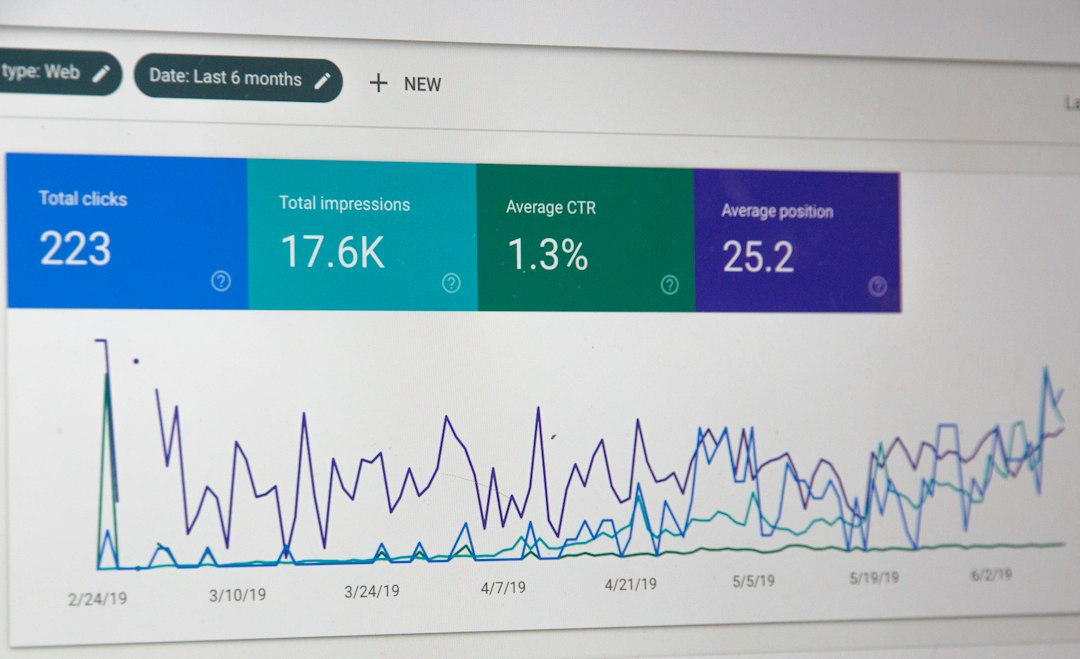
Measure more than views. Views can be shallow. A better report connects video behavior to business signals.
Track these metrics:
- Watch time: How long people stay with the video.
- Completion rate: The percentage that reaches the end.
- Click through rate: How many viewers take the next step.
- Conversion rate: Form fills, demo requests, purchases, or applications.
- Audience retention: Where viewers drop off.
- Engagement quality: Comments, shares, saves, and direct replies.
If 48% of viewers leave before the 10-second mark, the opening is likely too slow or unclear. If completion is high but clicks are low, the call to action may be weak. If social comments mention trust, clarity, or relevance, the story may be doing its job.
Budget and Quality Control
Brand video budgets vary widely. Cost depends on crew size, shoot days, locations, talent, animation, music, licensing, and edit complexity. A lean interview based video may cost far less than a scripted film with actors and multiple locations.
Still, quality control matters at every budget. Clean audio is non negotiable. Bad sound makes even beautiful footage feel amateur. Lighting should flatter people and spaces. Captions should be accurate. Claims should be checked by legal or compliance teams when needed.
Use a review process with one final decision maker. Too many reviewers can flatten the work. Feedback should answer one question: does this video support the agreed goal?
Final Checklist for a Strong Brand Video
- One clear audience is defined before writing starts.
- One main message drives the story.
- Real proof supports emotional claims.
- Creative choices match brand tone.
- Sound and captions are treated as essential.
- Multiple edits are prepared for different channels.
- Performance metrics are reviewed after launch.
A brand video should not be treated as a one time vanity project. It should work across marketing, sales, hiring, and trust building. When strategy, story, production, distribution, and measurement are aligned, the result is not just a good looking film. It is a useful business tool.