

For B2B sales teams, email deliverability is not just a technical concern; it directly affects pipeline, reply rates, and revenue. When prospect data is inaccurate, campaigns bounce, sender reputation declines, and even well-written outreach lands in spam. Strong email verification practices help sales organizations protect domain health, reach real decision-makers, and build a more reliable outbound engine.
TLDR: B2B sales email verification improves deliverability by removing invalid, risky, and low-quality contacts before campaigns launch. For example, a sales team sending 20,000 monthly cold emails with a 6% bounce rate could reduce bounces to under 2% by using layered verification, list hygiene, and domain checks. That improvement may protect sender reputation, increase inbox placement, and create more opportunities from the same outreach volume. The best results come from combining automated tools with ongoing data maintenance.
1. Use Real-Time Email Verification at the Point of Collection
One of the most effective techniques is verifying email addresses before they enter the CRM or sales engagement platform. Real-time verification checks whether an address is properly formatted, whether the domain exists, and whether the mailbox appears capable of receiving messages.
This is especially useful for B2B teams collecting leads from forms, webinars, gated content, events, and partner campaigns. If invalid addresses are blocked at the source, the sales database stays cleaner and fewer bad records reach outbound sequences.
- Best for: inbound lead capture, demo requests, event registrations
- Benefit: prevents poor-quality data from entering the pipeline
- Impact: lower bounce rates and less manual cleanup
2. Validate Syntax, Domains, and Mail Servers
Basic syntax checks are the first layer of email verification. They identify obvious errors, such as missing “@” symbols, extra spaces, unsupported characters, or incomplete domains. While simple, this step catches many mistakes that often occur during manual data entry or list imports.
Domain validation goes further by confirming that the company domain exists and is configured to receive email. Mail server checks review MX records, which indicate whether the domain has active mail servers. Without valid MX records, messages cannot be delivered successfully.
For B2B sales teams, this technique is particularly important because company email domains change frequently due to mergers, rebrands, acquisitions, and employee movement. A contact that was valid six months ago may no longer be reachable today.
3. Detect Disposable, Role-Based, and Generic Addresses
Not every technically valid email address is useful for B2B sales. Disposable email addresses, temporary inboxes, and generic accounts can reduce engagement and increase risk. Verification should identify addresses such as info@, support@, admin@, and sales@.
Role-based addresses are not always harmful, but they rarely represent a single buyer or decision-maker. They may be monitored by multiple people, filtered heavily, or ignored altogether. In cold outreach, sending to a named professional contact usually produces better results than sending to a shared inbox.
Sales teams should segment these addresses instead of automatically deleting all of them. For example, a generic procurement inbox may still be useful for account-based campaigns, while a temporary disposable address should be removed entirely.
4. Run SMTP and Mailbox-Level Checks Carefully
SMTP verification attempts to confirm whether a specific mailbox exists on a mail server. It can be a powerful technique, but it must be used carefully. Some servers block verification attempts, provide false results, or use catch-all configurations that accept all messages at the domain level without confirming individual inboxes.
Mailbox-level checks help classify emails as valid, invalid, risky, or unknown. A good verification process does not treat “unknown” as safe by default. Instead, these addresses should be tested in smaller batches or placed into lower-risk campaigns until engagement data confirms their quality.
The goal is not only to remove invalid contacts, but also to reduce uncertainty. A B2B sales organization that separates high-confidence contacts from risky contacts can prioritize outreach more intelligently and protect sender reputation.
5. Identify Catch-All Domains and Manage Them Separately
Catch-all domains are configured to accept email sent to almost any address at that domain, even if the mailbox does not actually exist. This makes verification more difficult because the domain may appear valid while individual contacts remain uncertain.
For example, alex@company.com and wrongname@company.com may both be accepted by the server, even though only one person exists. If a sales team sends aggressively to catch-all domains, bounce rates may still rise later, or engagement may stay low.
A practical approach is to segment catch-all contacts into a separate group. Sales teams can send smaller campaigns, monitor engagement closely, and suppress contacts that do not open, click, reply, or show any buying signals over time.
6. Clean and Re-Verify Lists on a Regular Schedule
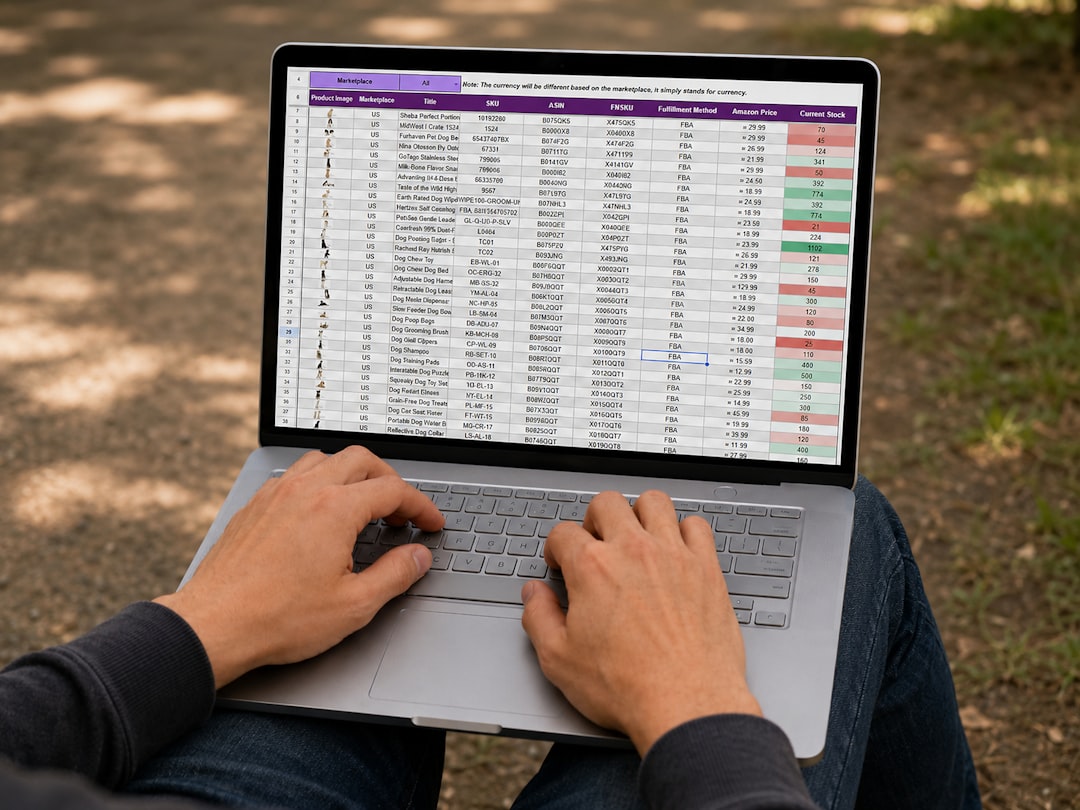
Email verification is not a one-time task. B2B data decays quickly because employees change jobs, companies restructure, domains expire, and inboxes become inactive. Industry estimates often suggest that B2B contact databases can decay by 20% to 30% per year, depending on the market and audience.
Regular list hygiene helps prevent silent damage to deliverability. A sales team may verify all new leads in real time, but older CRM records still need attention. Re-verification should happen before major campaigns, quarterly database reviews, and account-based sales pushes.
A strong maintenance schedule may include:
- Monthly checks for high-volume outbound lists
- Quarterly re-verification for core CRM contacts
- Pre-campaign validation before large launches
- Automatic suppression of hard bounces and repeated non-engagers
This process keeps campaigns focused on reachable prospects and reduces the likelihood of damaging the sender domain.
7. Combine Verification with Engagement and Sender Reputation Data
The most advanced sales teams do not rely on email verification alone. They combine verification results with engagement data, domain reputation, bounce history, spam complaint rates, and unsubscribe behavior.
For example, an address may be verified as valid but still show no engagement across multiple campaigns. If dozens of contacts from the same domain never open or reply, that domain may require a different approach, such as LinkedIn outreach, phone calls, direct mail, or executive-level account mapping.
Sender reputation should also be monitored. Even a clean email list can perform poorly if the sending domain lacks authentication or has a history of spam complaints. B2B sales teams should ensure that SPF, DKIM, and DMARC records are properly configured. These protocols help receiving servers confirm that the sender is legitimate.
Why Verification Improves Deliverability and Sales Performance
Email service providers use bounce rates, engagement, spam complaints, and sending behavior to decide whether messages reach the inbox. When a company repeatedly sends to invalid or risky addresses, mailbox providers may begin filtering its campaigns more aggressively.
Clean email data supports stronger deliverability in several ways:
- Lower bounce rates: fewer failed deliveries signal better list quality.
- Higher engagement: accurate contacts are more likely to open and reply.
- Better sender reputation: consistent list hygiene builds trust with mailbox providers.
- Improved sales efficiency: reps spend less time chasing dead contacts.
- More reliable analytics: campaign metrics reflect real prospect behavior.
When verification is treated as part of the sales process rather than a technical afterthought, it becomes a revenue protection strategy. The sales team can focus on qualified accounts, marketing can report cleaner campaign results, and leadership can trust pipeline data more confidently.
FAQ
How often should B2B sales teams verify email lists?
High-volume outbound lists should usually be checked monthly, while broader CRM databases can be re-verified quarterly. Lists should also be verified before any large campaign.
What is a good bounce rate for B2B sales emails?
A bounce rate below 2% is generally considered healthy. If bounce rates rise above 3% to 5%, the team should pause campaigns and review list quality.
Should role-based emails be deleted?
Not always. Addresses such as info@ or procurement@ may be useful in some account-based campaigns, but they should be segmented and monitored separately.
Can email verification guarantee inbox placement?
No. Verification reduces risk, but inbox placement also depends on sender reputation, authentication, content quality, engagement, and sending volume.
What is the best email verification technique?
The best approach is layered verification: real-time checks, domain validation, mailbox testing, catch-all detection, regular list cleaning, and engagement-based suppression.