
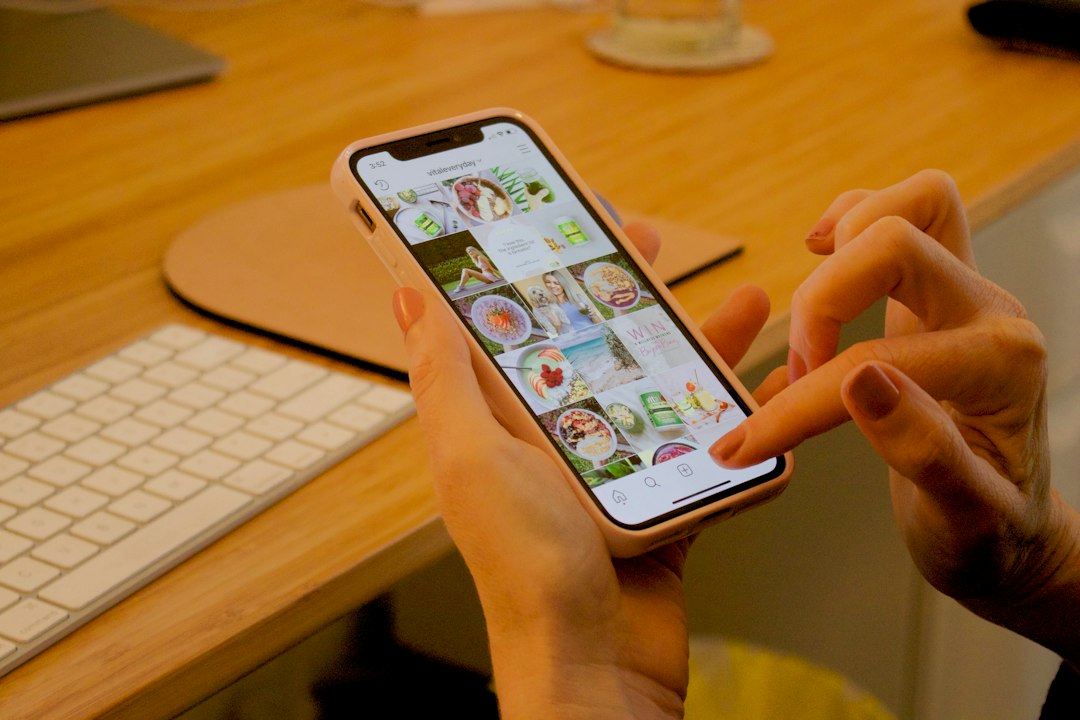
Babbel is the safest pick for most serious beginners, while Rosetta Stone suits visual learners who want full immersion and Busuu wins for feedback from real people. Babbel’s own lesson model is built around short sessions of about 10 to 15 minutes [source: Babbel], which makes it easier to keep a daily habit without pretending you have an hour free every night.
TLDR: Choose Babbel if you want clear grammar, usable phrases, and steady progress tracking. Pick Busuu if speaking and writing feedback matter most; for example, a learner doing four 20-minute sessions per week may get more useful correction from Busuu than from a pure self-study app. Rosetta Stone is better if you like learning through images and repetition, but it can feel slow. Among the seven apps below, Babbel, Busuu, and Lingoda are the strongest for structured learning.
Quick comparison of the 7 apps
| App | Best for | Main weakness |
|---|---|---|
| Babbel | Structured lessons and grammar | Speaking practice is useful but limited |
| Rosetta Stone | Immersion and pronunciation drills | Few explanations can frustrate learners |
| Busuu | Human feedback and study plans | Community replies are not always instant |
| Duolingo | Daily habit building | Can feel game-like rather than serious |
| Memrise | Vocabulary and native-speaker clips | Less complete as a full course |
| Pimsleur | Listening and speaking confidence | Weak visual progress tracking |
| Lingoda | Live classes and accountability | Costs more than app-only tools |
1. Babbel: best all-round structured course
Babbel feels like a compact digital textbook with audio, review, and short speaking tasks added. Lessons start with phrases you may actually use, then explain grammar without burying you in rules. This matters. Many apps teach you to tap answers, but not why the answer works.
The progress tracking is clean. You can see completed lessons, review items, and course levels. The speech tool is helpful for pronunciation, though it will not replace a tutor. Honestly, it feels like Babbel knows adults have jobs, families, and low patience for cartoon points.
Best fit: busy learners who want order, grammar, and practical conversation.
2. Rosetta Stone: strong immersion, slower explanations
Rosetta Stone avoids translation and teaches through pictures, audio, and repeated patterns. This can be powerful for learners who think visually. Its pronunciation tool is one of its stronger parts, and the lessons feel polished.
The catch is the pace. If you like direct grammar notes, you may get annoyed. You might spend several minutes guessing a pattern that Babbel would explain in one sentence. That does not make Rosetta Stone bad. It just makes it a poor match for learners who want clear answers fast.
Best fit: patient learners who want immersion and repetition.

3. Busuu: best for feedback from real people
Busuu blends structured lessons with community correction. You can submit short speaking or writing exercises and get feedback from native speakers. That is its biggest advantage over Babbel and Rosetta Stone.
Its study plan feature also helps. Set a goal, choose your schedule, and Busuu estimates your target date. That makes progress feel less vague. Still, feedback depends on other users. Expect to wait sometimes, especially for less common languages.
Best fit: learners who want correction, not just automated scores.
4. Duolingo: best for habit, not depth
Duolingo is easy to start and hard to ignore. Streaks, reminders, and short lessons keep people coming back. For beginners, that can be useful. Ten minutes a day beats one huge session every three weeks.
But the structure can feel thin. Grammar help has improved, yet the app still leans heavily on repetition and rewards. It drives me crazy when a lesson feels more focused on keeping a streak alive than building speaking skill.
Best fit: casual learners and people who need daily motivation.
5. Memrise: best for vocabulary with real voices
Memrise is strong for words, phrases, and listening. Its native-speaker video clips are useful because real speech is messy. People mumble. They speak fast. They do not sound like studio recordings.
Memrise is weaker as a full learning path. It can help you remember phrases, but you may need another app for grammar and deeper practice.
Best fit: learners who want more natural listening practice.
6. Pimsleur: best audio-first speaking practice
Pimsleur is different. It is built around audio lessons, recall, and speaking out loud. This makes it great for commuting, walking, or screen-free study. If your main fear is speaking, Pimsleur helps you get used to forming sentences quickly.
Its weakness is tracking. Compared with Babbel or Busuu, the progress data feels basic. You know what lesson you are on, but you get less detail about weak areas.
Best fit: learners who want to speak sooner and study hands-free.
7. Lingoda: best for live class accountability
Lingoda is closer to an online school than a simple app. You book live small-group or private classes with teachers. Lessons follow a curriculum, so structure is strong. Speaking practice is also much more realistic because a person can interrupt, correct, and ask follow-up questions.
The price is the main issue. Lingoda costs more than self-study apps. Still, if you need a language for work, relocation, or exams, live lessons may save time. This is similar to how companies treat language vendor management: quality control costs money, but weak support can cost more later.

Which app should you choose?
- Choose Babbel for the best mix of structure, grammar, review, and price.
- Choose Rosetta Stone if you want immersion and dislike long explanations.
- Choose Busuu if feedback from real people matters to you.
- Choose Duolingo if your biggest problem is consistency.
- Choose Memrise to build vocabulary and hear natural speech.
- Choose Pimsleur if you want audio speaking drills.
- Choose Lingoda if you need live teachers and a formal path.
For most learners, the best serious setup is simple: use Babbel as the main course, add Busuu for feedback, and use Pimsleur when you cannot look at a screen. If you work with multilingual teams, the same thinking applies when choosing translation partners: structure, correction, and measurable progress matter more than flashy features.