

In B2B commerce, the difference between a manufacturer and a distributor affects pricing, contracts, supply chain risk, product customization, lead times, and customer support. Although both may sell to business buyers, they play different roles in how goods are produced, stocked, marketed, and delivered. Clear classification helps companies choose the right partner and evaluate offers more accurately.
TLDR: A B2B manufacturer creates or assembles products, while a distributor buys finished goods and resells them to other businesses. The main classification criteria include ownership of production, inventory model, pricing structure, technical control, branding, and customer relationship. In many industries, both can look similar from the buyer’s perspective, but their responsibilities and value propositions are different.
Understanding the Basic Difference
A B2B manufacturer is a company that produces, fabricates, assembles, or processes goods for business customers. It may sell directly to wholesalers, distributors, retailers, contractors, government agencies, or other manufacturers. Its core value lies in production capability, quality control, product engineering, and control over specifications.
A B2B distributor, by contrast, does not usually manufacture the product. It purchases finished goods from manufacturers and resells them to other businesses. Its core value lies in availability, logistics, market reach, product variety, and customer service. A distributor may represent one manufacturer, several competing manufacturers, or a broad catalog of unrelated brands.
Image not found in postmeta1. Production Ownership
The clearest classification criterion is whether the company owns or controls the production process. A manufacturer typically operates factories, workshops, processing plants, or assembly lines. It manages materials, machinery, labor, engineering, and quality assurance.
A distributor generally does not transform raw materials into finished goods. Instead, it purchases completed products, stores them, and resells them. Some distributors may perform light services such as repackaging, labeling, bundling, or basic assembly, but these activities usually do not make them manufacturers unless they materially alter the product or create a new finished item.
- Manufacturer: Produces or assembles goods from raw materials or components.
- Distributor: Acquires finished goods and resells them through a sales network.
2. Product Control and Customization
Manufacturers usually have deeper control over product specifications. They can modify materials, dimensions, formulas, tolerances, packaging, or performance features. This is especially important in sectors such as industrial equipment, chemicals, electronics, construction materials, medical supplies, and automotive components.
Distributors may offer customization, but it is often limited. They can suggest alternatives, configure product bundles, or coordinate special orders with the manufacturer. However, the distributor is usually not the entity that changes the underlying product design.
When a business needs a custom part, private formulation, or new product development, a manufacturer is normally the relevant partner. When a business needs fast access to existing products from multiple brands, a distributor may be more suitable.
3. Inventory and Stocking Model
Inventory is another important classification factor. Manufacturers may produce goods to order, to stock, or through a hybrid model. Their inventory includes raw materials, work in progress, components, and finished goods. Lead times may depend on production schedules, material availability, machine capacity, and minimum order quantities.
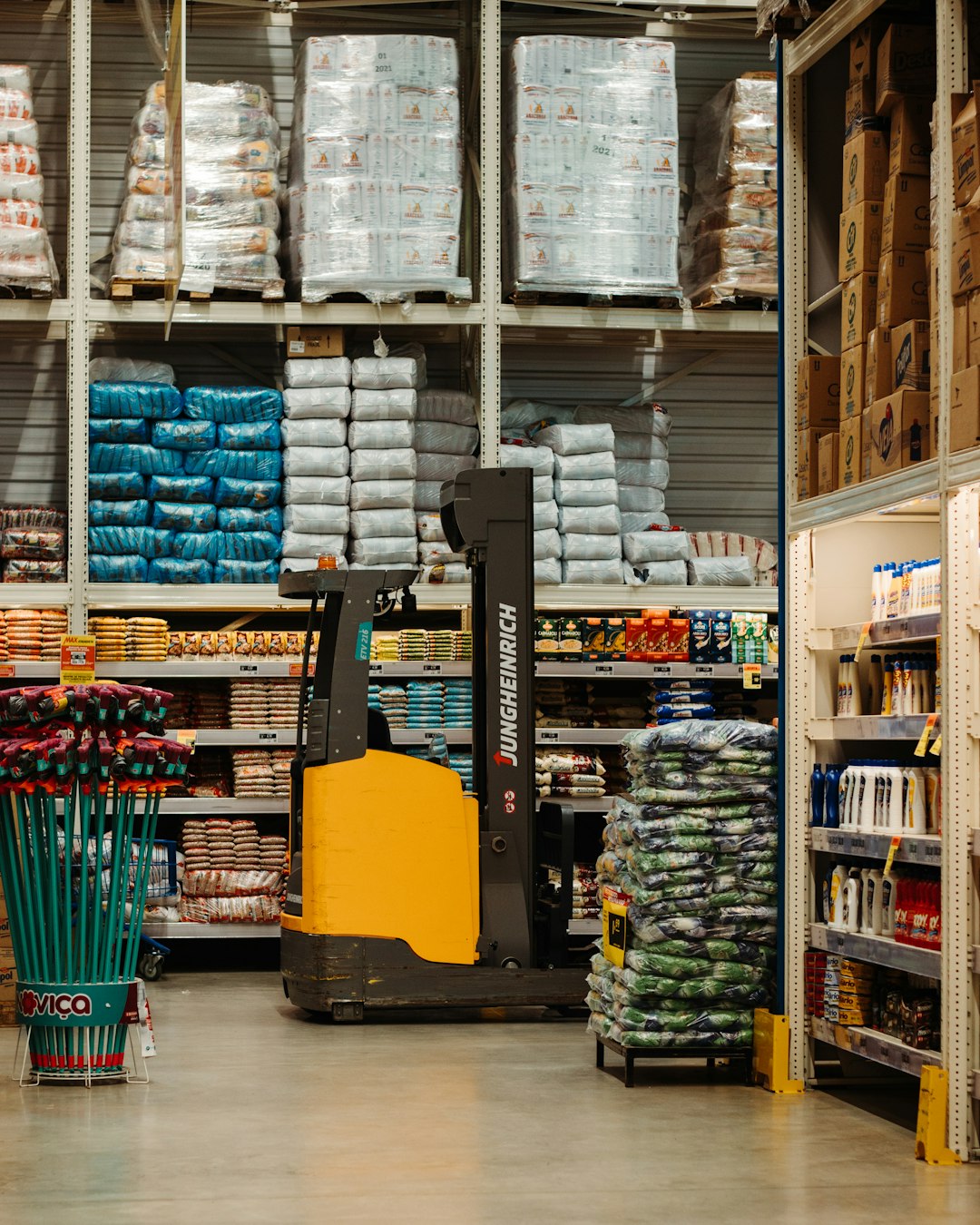
Distributors focus on finished goods inventory. They maintain warehouses and local stock so customers can buy smaller quantities with shorter delivery windows. Their value often increases when products are needed urgently or when buyers want one source for many items.
- Manufacturers manage production capacity and materials.
- Distributors manage warehousing, assortment, delivery, and replenishment.
4. Pricing Structure and Margins
Manufacturers often price products based on material costs, labor, overhead, tooling, engineering work, production volume, and margin targets. Their prices may become more competitive at large order volumes because production runs become more efficient.
Distributors price products by adding a margin to the manufacturer’s cost or negotiated purchase price. Their pricing reflects inventory risk, shipping, credit terms, sales support, local market demand, and service levels. A distributor may not always offer the lowest unit price, but it may reduce total purchasing costs through faster delivery, consolidated orders, lower minimum quantities, and simpler procurement.
For classification, the buyer should examine whether the seller’s margin comes primarily from making the product or from reselling and servicing access to the product.
5. Brand Ownership and Market Position
A manufacturer may sell under its own brand, produce for another company’s brand, or operate as an original equipment manufacturer. In private label arrangements, the manufacturer may remain invisible to the final business buyer, even though it physically makes the goods.
A distributor commonly sells branded products made by other companies. It may also develop a private label by sourcing goods from manufacturers and marketing them under its own name. In that case, the distributor may appear similar to a manufacturer, but classification still depends on who actually produces the product.
This distinction matters because brand ownership does not always equal production ownership. A company can own a brand without owning a factory.
6. Technical Expertise and Support
Manufacturers typically provide specialized technical knowledge about design, materials, compliance, testing, performance limits, and production constraints. Their support is especially valuable when products are complex or regulated.
Distributors often provide practical expertise related to product selection, compatibility, local availability, installation supplies, replacement parts, and purchasing convenience. In mature B2B markets, strong distributors may employ technical sales teams that understand applications very well, even if they do not produce the goods themselves.
The difference is not whether support exists, but where the expertise originates. Manufacturer expertise is usually product creation focused, while distributor expertise is usually market and application focused.
7. Customer Relationship and Sales Channel
Manufacturers may sell directly to large accounts, strategic partners, or buyers with specialized needs. However, many manufacturers rely on distributors to reach smaller customers, regional markets, or fragmented industries. This allows manufacturers to focus on production while distributors handle local sales and service.
Distributors build relationships through accessibility. They often offer account management, credit terms, local delivery, mixed product orders, returns handling, and after sales service. Their competitive advantage is not always unique product ownership, but convenience and responsiveness.

8. Legal, Compliance, and Warranty Responsibility
Manufacturers are commonly responsible for product design, safety, conformity, testing, and production quality. If a defect is tied to manufacturing, the manufacturer may carry primary liability, depending on the contract and jurisdiction.
Distributors may be responsible for storage conditions, accurate representation, delivery, documentation, and warranty administration. They may pass manufacturer warranties to customers, but they do not always control warranty approval. Classification should therefore consider who issues technical certificates, compliance documents, safety data sheets, and warranty terms.
Why Classification Matters in B2B Buying
Correctly identifying whether a company is a manufacturer or distributor helps businesses make better sourcing decisions. A buyer seeking product innovation, custom design, or factory direct pricing may prefer a manufacturer. A buyer seeking speed, variety, and lower procurement complexity may prefer a distributor.
Misclassification can create unrealistic expectations. A distributor may not be able to change a product specification quickly, while a manufacturer may not be able to ship small mixed orders overnight. Each model has strengths, and the right choice depends on the buyer’s priorities.
Common Hybrid Models
Some B2B companies operate as both manufacturers and distributors. For example, a company may manufacture its main product line while distributing complementary products from other brands. Another company may outsource manufacturing but manage product design, branding, and quality control. In such cases, classification should be done by product line rather than by company name alone.
A practical approach is to ask: Who makes the product, who owns the inventory, who controls specifications, who provides warranty support, and who carries production risk? The answers reveal the true role of the business in the supply chain.
FAQ
Is a wholesaler the same as a distributor?
No. A wholesaler buys goods in bulk and resells them, often with limited service. A distributor usually has a closer relationship with manufacturers and may provide sales, logistics, technical support, and regional market coverage.
Can a distributor sell under its own brand?
Yes. A distributor can sell private label products under its own brand, but it is still classified as a distributor if another company manufactures the goods.
Is buying directly from a manufacturer always cheaper?
Not always. Manufacturers may require high minimum orders, longer lead times, or separate freight arrangements. A distributor may offer better total value through smaller quantities, faster shipping, and consolidated purchasing.
How can a company verify whether a supplier is a manufacturer?
It can ask for factory information, production capabilities, certifications, quality control processes, product origin documents, and references. Site visits or third party audits may also help.
Which is better for B2B procurement: manufacturer or distributor?
Neither is universally better. A manufacturer is preferable for customization, technical control, and large production orders. A distributor is preferable for availability, product variety, local service, and procurement efficiency.