
Organic traffic is often treated as a top-of-funnel metric, but for B2B SaaS companies it should be managed as a revenue channel. The goal is not simply to publish more articles or increase sessions; it is to attract the right buyers, answer their commercial questions, and move qualified accounts toward a product demo with clear intent.
TLDR: B2B SaaS inbound marketing works when content is built around buyer intent, not vanity traffic. To turn organic visitors into demos, align SEO, conversion paths, lead qualification, and sales follow-up around the customer journey. Measure performance by pipeline and revenue contribution, not just rankings or pageviews. The strongest programs combine useful content, compelling proof, and disciplined conversion optimization.
Start with revenue goals, not keyword volume
A serious inbound program begins with commercial clarity. Before choosing topics, define which customers are valuable, which problems your software solves best, and which buying triggers indicate urgency. This prevents the common mistake of ranking for broad informational terms that generate traffic but rarely convert.
For B2B SaaS, useful planning questions include:
- Who is the ideal customer? Define company size, industry, region, tech stack, budget level, and decision-maker roles.
- What pain creates demand? Identify business problems that make a prospect actively search for solutions.
- Which pages should generate demos? Prioritize product, comparison, use case, pricing, and integration pages.
- What counts as qualified intent? Separate educational interest from purchase evaluation.
Keyword research still matters, but it should be filtered through buyer intent. A phrase with 100 monthly searches from senior operators in your target market may be more valuable than a phrase with 10,000 searches from students, freelancers, or irrelevant industries.
Map content to the SaaS buying journey
B2B SaaS purchases are rarely immediate. Buyers compare vendors, estimate ROI, involve stakeholders, and assess implementation risk. Your inbound content must support each stage of that process.
Awareness-stage content addresses symptoms and problems. Examples include guides, checklists, industry benchmarks, and educational articles. These assets attract prospects who may not yet know what type of software they need.
Consideration-stage content explains solution categories and evaluation criteria. This includes “how to choose” guides, feature explainers, integration articles, and workflow comparisons. At this stage, visitors are beginning to define requirements.
Decision-stage content should make it easy to evaluate your product. Critical assets include comparison pages, case studies, pricing information, ROI calculators, security documentation, and demo pages. These pages often convert at higher rates because the visitor is closer to action.
The strongest inbound strategies connect these stages with internal links and contextual calls to action. A visitor reading an educational article should be guided toward a relevant use case page, then a case study, then a demo request. Do not leave that path to chance.
Build landing pages that convert serious buyers
Many SaaS companies invest heavily in content but underinvest in the pages responsible for conversion. A demo page should not be a generic form with vague copy. It should reduce uncertainty and explain what the prospect will receive.
A high-performing demo page typically includes:
- A specific value proposition: State who the product is for and what business outcome it helps achieve.
- Clear expectations: Tell visitors whether the demo is live, personalized, recorded, or consultative.
- Relevant proof: Add customer logos, testimonials, metrics, or short case study highlights.
- Friction-conscious forms: Ask only for information needed to qualify and route the lead.
- Risk reducers: Include security notes, implementation timelines, or integration details if they matter to buyers.
For high-ticket SaaS, a longer form can be acceptable if it improves lead quality. For lower-contract-value products, a shorter form or product-led path may perform better. The right approach depends on sales motion, average contract value, and buyer expectations.
Use calls to action that match intent
Not every organic visitor is ready to book a demo. If every page uses the same aggressive CTA, you may lose prospects who need more information first. Instead, match offers to intent level.
- Low intent: Newsletter signups, templates, diagnostic checklists, or ungated educational resources.
- Medium intent: webinars, ROI calculators, buyer guides, product tours, or comparison resources.
- High intent: demo requests, pricing consultations, free trials, or “talk to sales” CTAs.
This does not mean hiding the demo CTA. It should remain visible, especially on commercially relevant pages. But secondary CTAs give earlier-stage visitors a way to continue the relationship rather than leaving with no next step.
Turn content into qualified pipeline with lead capture and routing
Inbound marketing becomes revenue-producing only when leads are captured, qualified, and followed up properly. A form submission is not the finish line. It is the handoff point between marketing intent and sales execution.
Use enrichment and routing rules to classify leads by company fit and behavioral intent. For example, a director at a target account who visits pricing, comparison, and integration pages should receive faster sales attention than a student downloading a beginner guide.
Important qualification signals include:
- Company size and industry match
- Job title and seniority
- Visited pages, especially pricing and product pages
- Content downloads or webinar attendance
- Repeat visits from the same company or account
- Technology stack or integration needs
Speed also matters. When a qualified buyer asks for a demo, delayed follow-up can reduce conversion significantly. Establish service-level agreements between marketing and sales, define ownership, and monitor response times.
Strengthen trust with proof and expertise
B2B buyers are skeptical because switching software carries operational risk. Trust must be built across the entire inbound experience. That means your content should be accurate, specific, and grounded in real business context.
Use case studies that include measurable outcomes, not vague praise. Show how customers implemented the product, what problems were solved, and what results were achieved. Where appropriate, include screenshots, workflow examples, implementation steps, and stakeholder perspectives.
Expertise is also a ranking and conversion advantage. Content written with input from product leaders, customer success teams, subject matter experts, and sales representatives is usually more useful than generic SEO copy. It addresses real objections, explains tradeoffs honestly, and reflects how buyers actually evaluate software.
Optimize for revenue metrics, not only SEO metrics
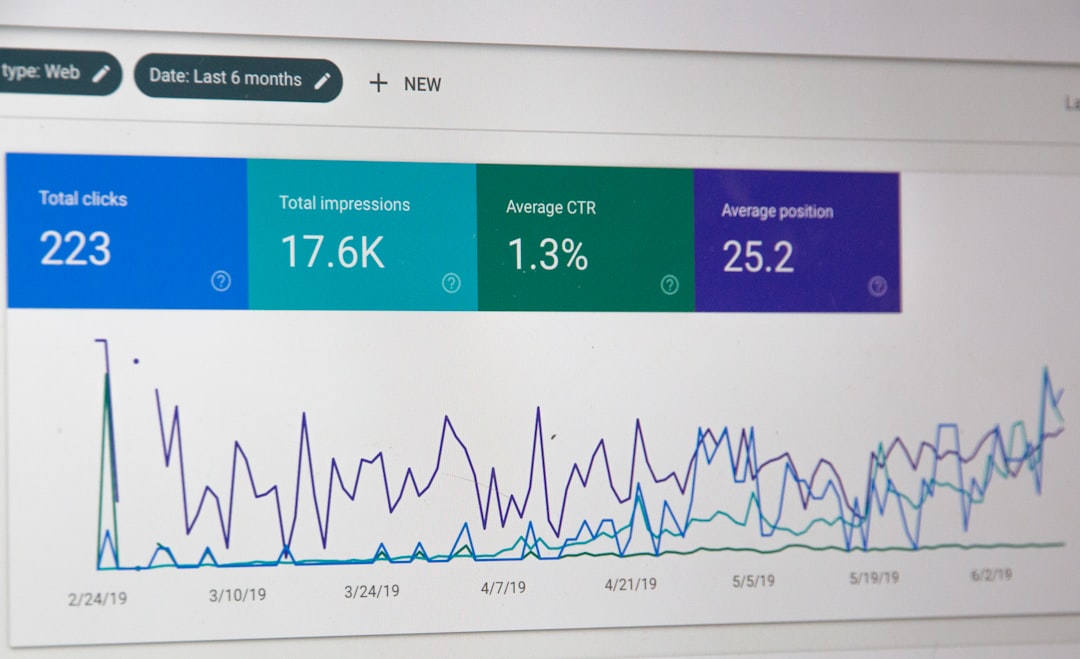
Organic sessions, impressions, and keyword rankings are useful diagnostic metrics, but they do not prove business impact. A mature B2B SaaS inbound program tracks the full path from search visibility to revenue.
Key metrics include:
- Organic demo requests: How many demo submissions originate from organic search?
- Conversion rate by page type: Which pages turn visitors into leads most effectively?
- Lead-to-opportunity rate: Are organic leads qualified enough for sales?
- Pipeline influenced by organic: How much opportunity value is touched by inbound content?
- Revenue from organic acquisition: Which content and landing pages contribute to closed deals?
Attribution will never be perfect, especially in long sales cycles with multiple stakeholders. However, imperfect attribution is not an excuse to avoid measurement. Combine analytics, CRM data, self-reported attribution, and sales feedback to build a practical view of influence.

Improve continuously through conversion testing
Inbound marketing is not a one-time publishing project. Search behavior changes, competitors improve, and product positioning evolves. Review performance regularly and improve both traffic acquisition and conversion efficiency.
Useful optimization activities include refreshing high-value articles, adding internal links to demo pages, improving titles and meta descriptions, testing CTA language, simplifying forms, adding stronger proof, and building new bottom-of-funnel pages where competitors are capturing demand.
Pay special attention to pages that already receive qualified traffic but convert poorly. These are often the fastest opportunities for growth. A modest improvement in conversion rate on a high-intent page can generate more revenue than publishing several new top-of-funnel articles.
Align marketing, sales, and customer success
B2B SaaS inbound marketing works best when it is not isolated inside the marketing department. Sales teams know which objections slow deals. Customer success teams know which use cases produce retention. Product teams know which capabilities are most differentiated. All of this knowledge should shape content and conversion strategy.
Hold regular reviews of organic leads, demo quality, lost opportunities, and closed-won deals. Identify which topics attract the best accounts, which pages assist sales conversations, and which objections need better content support. This creates a feedback loop that makes inbound more commercially precise over time.
Conclusion
Turning organic traffic into product demos and revenue requires more than SEO execution. It requires a structured system that attracts the right audience, educates buyers, proves credibility, captures intent, and routes qualified leads into a responsive sales process.
The companies that succeed with B2B SaaS inbound marketing treat content as part of the revenue engine. They prioritize intent over volume, proof over claims, and pipeline over pageviews. When those principles guide the strategy, organic traffic becomes more than visibility; it becomes a dependable source of qualified demos and measurable growth.