

Behind every memorable conference, gala, product launch, wedding, fundraiser, or corporate retreat is a professional who turns ideas into schedules, vendors, floor plans, timelines, and guest experiences. An event coordinator is the person who helps bring all of those moving parts together, making sure nothing important is overlooked and that the event runs as smoothly as possible.
TLDR: An event coordinator plans, organizes, and supports events from concept to completion. Their duties often include managing vendors, budgets, schedules, guest communication, logistics, and on-site problem solving. The best event coordinators are highly organized, calm under pressure, creative, detail oriented, and excellent communicators. It is a fast-paced role suited to people who enjoy planning, multitasking, and creating positive experiences for others.
What Does an Event Coordinator Do?
An event coordinator is responsible for handling the practical details that make an event happen. While an event planner may focus heavily on the overall concept and strategy, an event coordinator is often deeply involved in execution: booking suppliers, tracking deadlines, confirming guest lists, setting up venues, and ensuring everyone knows where to be and when.
The role exists in many industries. Event coordinators work for hotels, conference centers, corporations, nonprofit organizations, universities, wedding planning companies, marketing agencies, sports venues, and entertainment businesses. Some work full time for one organization, while others freelance or manage their own event services business.
Although the scale of events can vary widely, the goal is usually the same: create a well-organized, enjoyable experience that meets the client’s or organization’s objectives. That might mean helping a company impress potential clients at a trade show, supporting a charity in hosting a successful fundraising dinner, or making sure a couple’s wedding day feels effortless and personal.
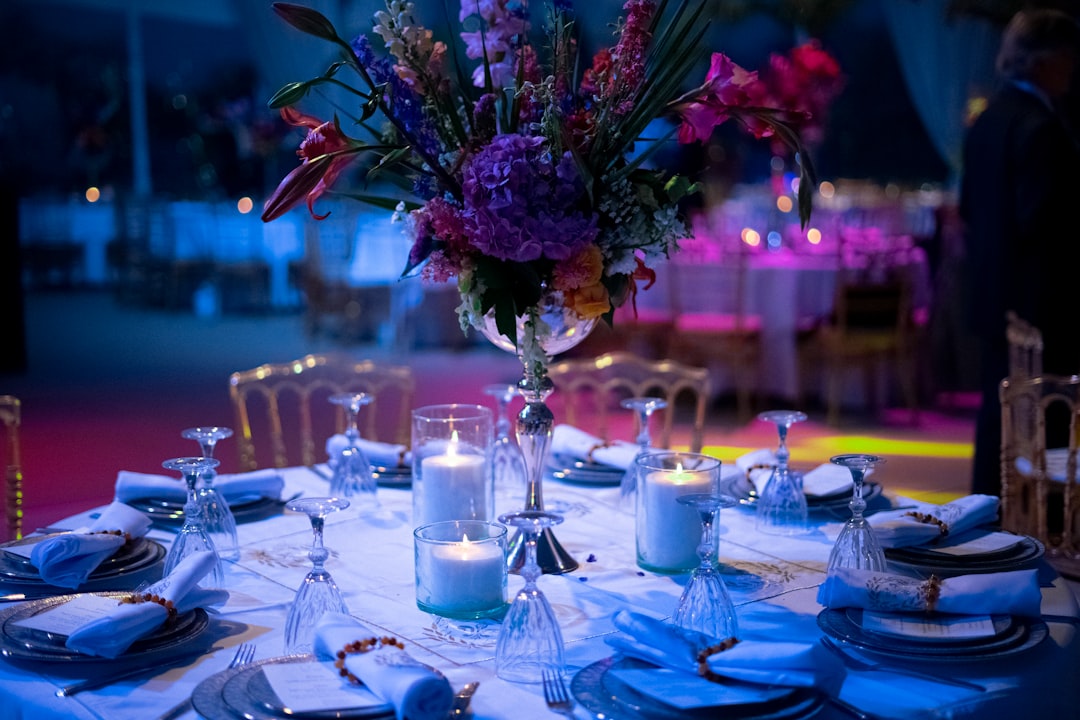
Event Coordinator Job Description
A typical event coordinator job description includes planning, communication, logistics, administration, and on-site event support. The coordinator acts as a central point of contact between clients, vendors, venue staff, speakers, performers, guests, and internal teams.
In practical terms, this means an event coordinator may spend one day comparing catering proposals and another day walking through a venue with a rental company. They may create seating charts, prepare run sheets, confirm audio visual equipment, arrange transportation, manage registrations, or troubleshoot a last-minute schedule change.
Strong event coordinators balance creativity with structure. They help shape the atmosphere of an event while also dealing with contracts, checklists, timelines, and budgets. Because events are live experiences, there is little room for delay or confusion. A coordinator must be proactive, prepared, and able to make quick decisions when circumstances change.
Key Duties and Responsibilities
The responsibilities of an event coordinator can differ depending on the employer, event size, and industry. However, most roles include a combination of the following duties:
- Consulting with clients or internal stakeholders: Understanding the event’s purpose, audience, budget, style, and expected outcomes.
- Developing event timelines: Creating schedules for planning tasks, vendor deadlines, setup times, guest arrivals, presentations, meals, entertainment, and breakdown.
- Researching and booking venues: Comparing locations based on capacity, layout, availability, accessibility, cost, parking, and technical requirements.
- Coordinating vendors: Communicating with caterers, decorators, florists, photographers, entertainers, transport providers, security teams, and equipment rental companies.
- Managing budgets: Tracking expenses, reviewing quotes, negotiating prices, updating spreadsheets, and making sure costs stay within agreed limits.
- Handling registrations and guest lists: Managing RSVPs, ticketing systems, attendee databases, name badges, seating plans, and special requests.
- Preparing event materials: Organizing signage, programs, menus, presentation slides, welcome packs, gift bags, and promotional items.
- Overseeing setup and breakdown: Making sure the venue is arranged correctly before the event begins and cleared properly afterward.
- Providing on-site support: Answering questions, directing staff, solving problems, monitoring the schedule, and supporting guests, speakers, or VIPs.
- Evaluating event success: Collecting feedback, reviewing attendance, comparing results with objectives, and noting improvements for future events.
Daily Tasks of an Event Coordinator
Event coordination is rarely predictable. A coordinator’s daily workload changes depending on how close the event date is. During early planning, tasks may include brainstorming themes, preparing proposals, researching vendors, and building budgets. As the event approaches, the focus shifts to confirmations, final guest counts, logistics, and detailed run sheets.
On the day of the event, the coordinator is often one of the first people to arrive and one of the last to leave. They may check the room layout, test microphones, confirm catering timing, greet vendors, brief staff, monitor guest flow, and adjust the schedule when needed. If a speaker is late, a delivery is missing, or the weather changes suddenly, the event coordinator is expected to find a solution quickly and professionally.
This variety is one of the reasons the role appeals to energetic, people-focused professionals. It is not a job for someone who wants every workday to look the same. Instead, it suits people who enjoy movement, communication, and the satisfaction of seeing a plan come to life.
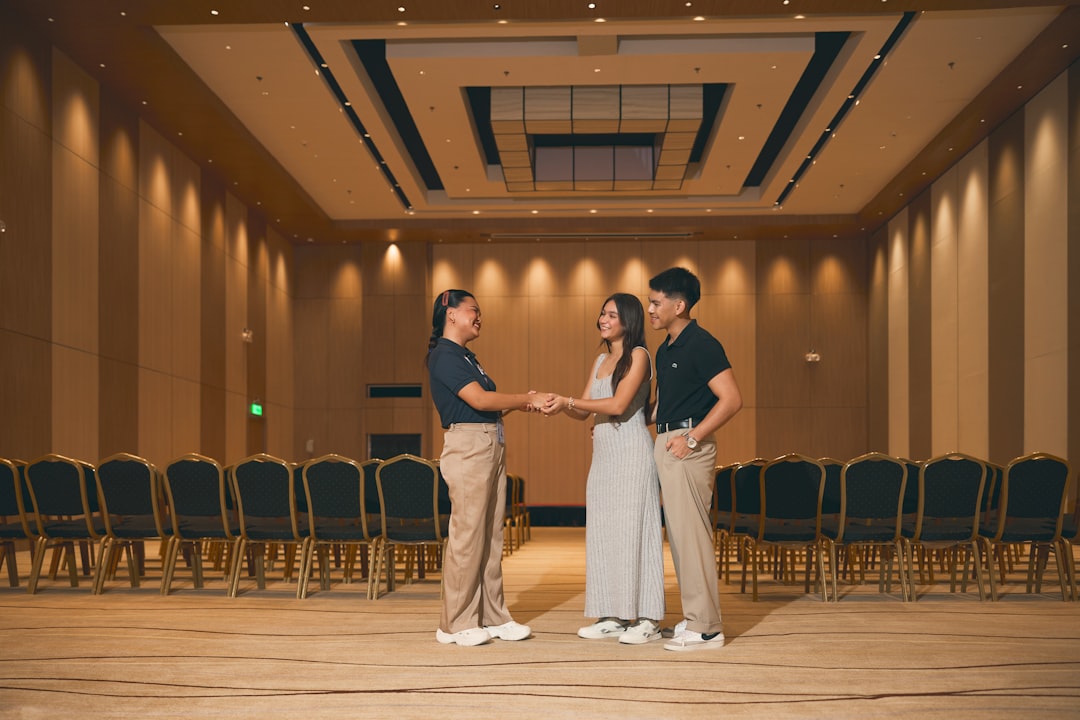
Essential Skills for Event Coordinators
Successful event coordinators rely on a blend of practical, interpersonal, and creative skills. They must be able to manage details without losing sight of the overall experience.
1. Organization
Organization is the foundation of event coordination. Coordinators manage multiple deadlines, contracts, contact lists, floor plans, payments, schedules, and guest details. A missed deadline or overlooked instruction can affect the quality of the entire event. Tools such as spreadsheets, project management platforms, calendars, and checklists are commonly used to keep everything on track.
2. Communication
An event coordinator communicates with many different people, including clients, executives, suppliers, venue managers, attendees, volunteers, and staff. Clear communication prevents confusion and keeps everyone aligned. This includes writing professional emails, leading planning meetings, giving instructions, and calmly explaining changes during an event.
3. Problem Solving
No matter how carefully an event is planned, unexpected issues can arise. A projector may stop working, a supplier may arrive late, a guest count may change, or a performer may need a different setup. A good coordinator stays calm, thinks quickly, and focuses on practical solutions rather than panic.
4. Attention to Detail
Small details can shape the guest experience. Incorrect signage, missing dietary meals, poor seating arrangements, or unclear directions can create frustration. Event coordinators must notice details that others may miss and confirm important information more than once.
5. Time Management
Events operate on strict schedules. Meals, speeches, entertainment, transportation, and venue access often depend on precise timing. Coordinators must manage their own time during the planning process and also keep the event moving smoothly on the day.
6. Creativity
While logistics are central to the role, creativity is also valuable. Coordinators may suggest themes, décor ideas, entertainment concepts, guest engagement activities, or layout improvements. Creativity helps transform a standard event into something distinctive and memorable.
7. Budget Awareness
An event can be beautiful and successful without being wasteful. Event coordinators need to understand costs, compare options, negotiate with vendors, and recommend choices that match both the event vision and financial limits.
8. Customer Service
Events are people-centered. Whether working with nervous wedding clients, busy executives, excited attendees, or demanding sponsors, coordinators must be patient, polite, and service oriented. A positive attitude can make clients feel confident and guests feel welcome.
Qualifications and Experience
There is no single required path to becoming an event coordinator. Some professionals enter the field with a degree in hospitality management, communications, marketing, public relations, tourism, or business. Others start through administrative roles, hotel work, catering, customer service, or volunteer event experience.
Employers commonly look for candidates with:
- Previous experience in events, hospitality, administration, marketing, or customer service
- Strong computer skills, especially with spreadsheets, email, calendars, and event registration tools
- Excellent written and verbal communication skills
- Ability to work evenings, weekends, or irregular hours when events require it
- Confidence in dealing with suppliers, clients, and teams
- A professional appearance and calm, helpful attitude
Certifications in event planning or project management can also strengthen a candidate’s profile, especially for those who want to work on larger corporate events, conferences, or international programs. However, hands-on experience is especially important in this field. Employers want to know that a coordinator can handle real deadlines, real people, and real pressure.
Types of Events Coordinators May Manage
Event coordinators can specialize in different event categories, each with its own style and requirements. Common examples include:
- Corporate events: Meetings, conferences, seminars, product launches, award ceremonies, and networking events.
- Social events: Weddings, anniversaries, birthday parties, private dinners, and family celebrations.
- Nonprofit events: Fundraisers, charity galas, awareness campaigns, donor receptions, and volunteer events.
- Educational events: Graduations, open days, workshops, lectures, and student activities.
- Entertainment events: Concerts, festivals, performances, fan experiences, and media events.
- Trade shows and exhibitions: Booth coordination, exhibitor support, sponsorship management, and attendee registration.
Each event type requires a slightly different approach. A corporate seminar may prioritize punctuality, branding, and technology, while a wedding may focus more on emotion, atmosphere, and personal details. A skilled coordinator adapts to the audience and purpose of each occasion.
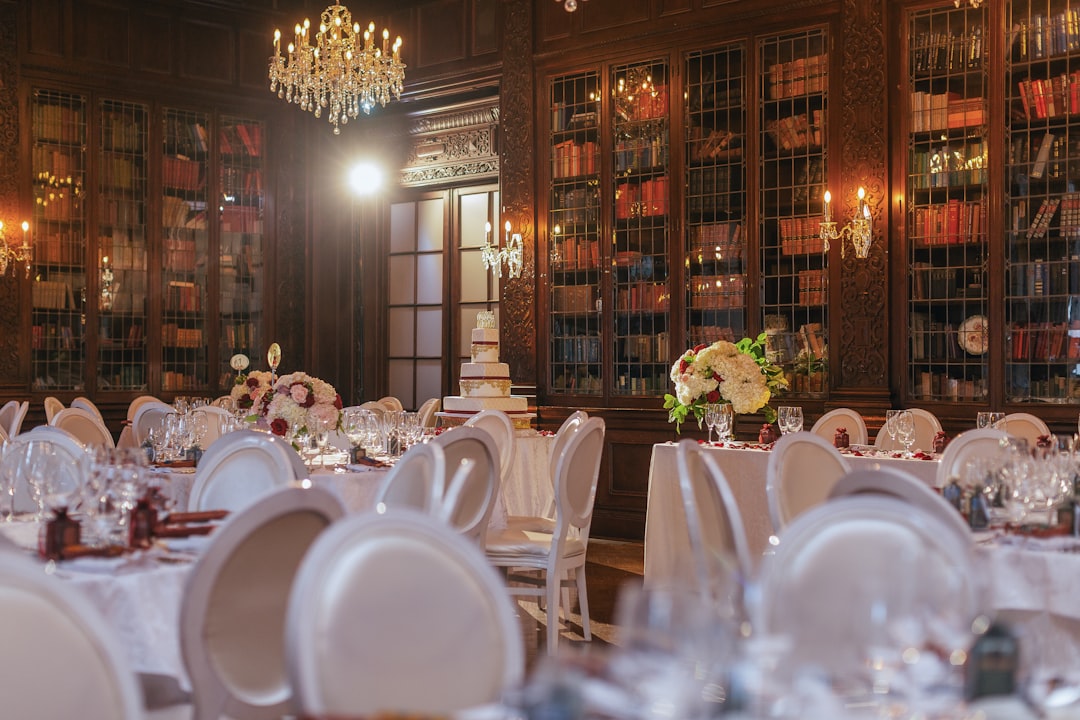
Challenges of the Role
Event coordination can be exciting, but it is also demanding. Deadlines are fixed, expectations can be high, and many details depend on other people. Coordinators may need to work long hours before and during major events. Physical stamina can also be important, since event days may involve standing, walking, lifting light materials, and moving between different areas of a venue.
Another challenge is emotional pressure. Clients may feel anxious, executives may expect perfection, and guests may need immediate assistance. The coordinator often becomes the person everyone looks to for answers. This makes resilience and professionalism essential.
However, many coordinators find the pressure rewarding. There is a strong sense of accomplishment in watching guests enjoy an event that once existed only as a plan on paper. The role offers visible results, varied work, and opportunities to meet many different people.
What Makes a Great Event Coordinator?
A great event coordinator is not simply someone who likes parties. The job requires discipline, patience, and the ability to manage complexity. The best coordinators are both detail lovers and big-picture thinkers. They know that an event’s success depends on practical details, but they also understand the mood, purpose, and story behind the occasion.
They are also excellent team players. Events are rarely created by one person alone. Coordinators must respect the expertise of chefs, technicians, designers, security staff, venue managers, and entertainers. By building strong relationships, they create smoother events and more reliable support networks.
Most importantly, great event coordinators remain composed. When something goes wrong, they do not blame, freeze, or complain in front of guests. They assess the situation, communicate clearly, and move forward. This calm leadership is often what separates an average event from a professionally managed one.
Career Outlook and Growth Opportunities
Event coordination can lead to several career paths. With experience, an event coordinator may become an event manager, senior event planner, conference manager, wedding planner, marketing events specialist, or director of events. Some professionals move into venue management, sponsorship coordination, public relations, or hospitality leadership.
Others choose to start their own event planning business. This path requires not only event skills but also marketing, sales, accounting, and client management abilities. Freelance coordinators must build a reputation through reliability, creativity, and word-of-mouth referrals.
Demand for event professionals is often connected to business activity, tourism, entertainment, weddings, and community life. While technology has expanded virtual and hybrid events, it has not removed the need for skilled coordinators. In fact, hybrid formats have created new responsibilities, such as coordinating livestreams, digital platforms, remote speakers, and online attendee engagement.
Final Thoughts
An event coordinator plays a vital role in turning plans into experiences. The job combines organization, communication, creativity, budgeting, logistics, and customer service. It can be fast-paced and stressful, but it is also highly rewarding for people who enjoy solving problems and creating moments that people remember.
For anyone considering this career, the best way to begin is by gaining practical experience. Volunteer at community events, assist with workplace functions, support weddings, or look for entry-level roles in hospitality and administration. Every event teaches valuable lessons about timing, teamwork, preparation, and people.
Ultimately, the event coordinator is the person who makes complexity look simple. When guests arrive and everything feels effortless, welcoming, and well timed, it is usually because an event coordinator has carefully managed the details behind the scenes.