

WebCAPE is widely used by schools, colleges, and universities as an online placement assessment, especially for world language placement. Because it can affect which course a student enters, many test takers naturally ask an important question before beginning: Is WebCAPE monitored during testing? The most accurate answer is that WebCAPE may be monitored, but the level and type of monitoring depend on the institution administering the exam, not simply on the WebCAPE platform itself.
TLDR: WebCAPE is not always monitored in the same way for every student or every school. Some institutions allow students to take it remotely without live supervision, while others require in-person testing, webcam proctoring, browser lockdown software, identity checks, or follow-up verification. You should assume that your session may be reviewed or subject to academic integrity rules, even if no live proctor appears on screen. Always follow your school’s instructions, because placement results can be invalidated if testing rules are violated.
What WebCAPE Is Used For
WebCAPE, often referred to as a web-based computer adaptive placement exam, is designed to estimate a student’s current proficiency level in a subject, most commonly a foreign language. Instead of giving every student the exact same set of questions, an adaptive test changes the difficulty of questions based on previous answers. If a student answers correctly, the test may present more advanced items. If a student struggles, it may adjust downward.
This adaptive format helps institutions make more efficient placement decisions. Rather than requiring a long paper exam or a separate interview for every student, WebCAPE can provide a score that departments use to recommend an appropriate course level. For example, a student with prior experience in Spanish, French, German, or another language may use WebCAPE results to determine whether to start in an introductory course or move into a more advanced class.
Because the outcome may affect credits, tuition, graduation timelines, and academic progress, schools treat WebCAPE seriously. It is not usually considered a casual practice quiz. Even when the test is taken from home, the results may become part of an official advising or placement process.

Is WebCAPE Automatically Monitored?
WebCAPE itself is primarily a testing and scoring platform. In many cases, it does not automatically mean that a live person is watching every test taker in real time. However, that does not mean the test is unmonitored or that anything goes. Monitoring can happen in several ways, and some of them are not obvious to the student.
The key distinction is between platform monitoring and institutional proctoring. The platform may record scores, completion time, question responses, login information, or other testing data. The institution may add its own rules, such as requiring an approved testing center, a webcam proctor, a lockdown browser, or a faculty review after the exam.
In simple terms: WebCAPE may not always include built-in live surveillance, but your school can still monitor the testing process and enforce testing rules.
Common Ways WebCAPE May Be Monitored
Different institutions use different methods depending on their policies, resources, and the academic importance of the placement result. Common monitoring arrangements include the following:
- In-person proctoring: Some schools require students to take WebCAPE in a campus testing center, language lab, advising office, or supervised classroom.
- Remote proctoring: A school may use webcam-based proctoring software or a live remote proctor to observe the student during the exam.
- Lockdown browser software: Some testing environments restrict access to other websites, applications, notes, translation tools, or messaging platforms during the test.
- Identity verification: Students may be required to log in with school credentials, show identification, or complete the test through an official student portal.
- Time and behavior review: Administrators may review how long the test took, whether the session was interrupted, or whether the score seems inconsistent with academic records.
- Follow-up confirmation: A department may require an oral interview, writing sample, or instructor review if the placement score appears unusually high or does not match the student’s demonstrated ability.
Not every student will experience all of these methods. One university may allow unproctored remote placement for advising purposes, while another may require strict proctoring because the score can exempt students from requirements or place them into advanced courses.
Can WebCAPE Detect Cheating?
Students often ask whether WebCAPE can “detect cheating.” A careful answer is necessary. WebCAPE may collect testing data, but cheating detection usually depends on the controls chosen by the school. For example, if the test is administered through a secure testing center, the proctor can observe whether a student is using notes, a phone, or outside help. If the test is remote but paired with proctoring software, the software may flag suspicious behavior such as leaving the camera view, opening unauthorized materials, or unusual screen activity.
However, even when advanced monitoring tools are not used, academic integrity rules still apply. Schools can question results that appear inconsistent. For instance, if a student places into an advanced language course but cannot participate at that level on the first day of class, the department may reassess the placement. A high score obtained with outside help can lead to poor course placement and potential disciplinary consequences.
In practical terms, the safest assumption is that your test activity may be reviewed and your score may be verified. Attempting to use translators, grammar checkers, notes, another person, or artificial intelligence assistance can make the score inaccurate and may violate institutional policy.
Why Some Schools Do Not Use Heavy Proctoring
It may seem surprising that some institutions allow WebCAPE to be taken without a live proctor. There are several reasons for this. First, placement exams are often advisory rather than punitive. The goal is to place students where they are most likely to succeed, not to rank them for admission or award a license. If a student artificially inflates a score, the student is usually the one most harmed, because they may end up in a course that is too difficult.
Second, proctoring every placement test can be expensive and time-consuming. Colleges may test hundreds or thousands of students before registration. For lower-stakes placement decisions, schools may decide that clear instructions, student honesty, and departmental follow-up are sufficient.
Third, language ability is hard to fake over time. A student might use outside help during an unproctored test, but that assistance will not help them understand lectures, participate in class discussions, write assignments, or pass exams in an advanced course. For that reason, departments often rely on WebCAPE as one piece of evidence rather than the only measure of ability.
Image not found in postmetaWhy Other Schools Require Strict Monitoring
On the other hand, some institutions treat WebCAPE as a high-stakes assessment. If the score can satisfy a language requirement, award course credit, bypass prerequisites, or affect a student’s academic plan, stricter monitoring is more likely. In these situations, schools have a stronger interest in verifying that the student completed the exam independently.
Strict monitoring also protects fairness. If one student follows the rules and another uses a translator or receives help, the placement process becomes unequal. Proctoring helps preserve the value of the placement result and protects students who take the exam honestly.
Institutions may also be required to follow internal testing policies, accreditation expectations, or department rules. A language department may decide that all placement exams must be completed under controlled conditions, even if another department uses a more flexible approach.
What Test Takers Should Expect
Before taking WebCAPE, students should read all instructions from their institution carefully. The monitoring rules are usually explained on the school’s placement testing page, in an advising email, or in the testing portal. If the instructions are unclear, the best option is to contact the language department, testing center, or academic advising office before beginning.
You may be asked to do some or all of the following:
- Use your official school login so the score can be connected to your student record.
- Complete the exam in one sitting without pausing for outside research or assistance.
- Avoid notes, textbooks, dictionaries, translation tools, websites, and messaging apps.
- Take the test in a quiet location where you will not be interrupted.
- Agree to an honor statement confirming that your work is your own.
- Schedule a proctored session if your school requires supervision.
If remote proctoring is used, you may also need a webcam, microphone, photo identification, and a stable internet connection. You may be asked to scan the room, keep your face visible, and avoid leaving the testing area. These requirements should be taken seriously, because a flagged session may delay or invalidate your placement.
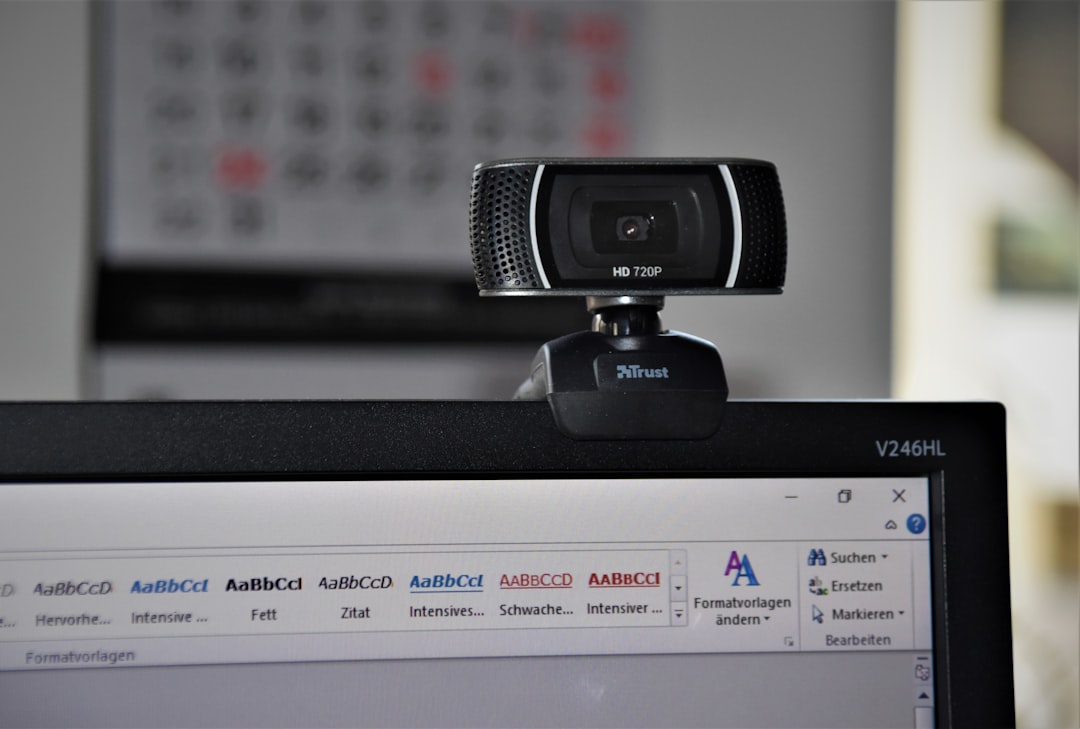
Does WebCAPE Record the Screen or Use a Webcam?
WebCAPE by itself should not be assumed to record your screen or webcam in every situation. Whether screen recording, webcam monitoring, or microphone access is used depends on the testing setup selected by the institution. If a third-party proctoring service or lockdown browser is required, that tool may request permissions and provide a notice explaining what it monitors.
Students should pay attention to consent screens, software installation instructions, and privacy notices. A legitimate proctoring process should tell you what technology is being used and what is expected during the exam. If you are unsure whether your webcam, screen, or audio will be monitored, ask the testing office directly.
Do not assume that lack of a visible proctor means lack of oversight. Some systems review recordings afterward, while others rely on logs, score analysis, or instructor follow-up.
Academic Integrity and Accurate Placement
The most important reason to take WebCAPE honestly is not fear of being caught; it is the need for accurate placement. A placement exam is meant to identify the course where you can learn effectively. If you use unauthorized help, the score may place you above your real skill level. That can lead to stress, poor grades, course withdrawal, or the need to retake a lower-level class later.
Honest performance also helps instructors and departments maintain appropriate course standards. When students are placed correctly, classes function better. Beginners are not overwhelmed, intermediate students are challenged appropriately, and advanced students can work at a level that matches their preparation.
From an academic integrity perspective, WebCAPE should be treated like any official exam. Even if you take it at home, it is still part of an institutional process. Using outside tools or assistance without permission may violate the student code of conduct.
What to Do If You Think You Were Placed Incorrectly
Sometimes students follow all rules and still feel that the placement result does not reflect their true ability. This can happen for many reasons: test anxiety, long gaps in study, unfamiliar question formats, or uneven skills across reading, grammar, listening, and speaking. If you believe your score is inaccurate, do not try to manipulate the test. Instead, contact the appropriate department.
Many schools have a review process. They may allow a retest after a waiting period, ask you to complete an oral interview, review prior coursework, or recommend that you attend the first class meeting and consult the instructor. Policies vary, so it is important to work through official channels.
Final Answer: Is WebCAPE Monitored?
Yes, WebCAPE can be monitored during testing, but it is not monitored in exactly the same way everywhere. The exam may be taken under live supervision, through remote proctoring, with a lockdown browser, or without live monitoring but still under academic integrity rules. The deciding factor is the policy of the school or organization administering the test.
For students, the best approach is straightforward: read the instructions, use only permitted resources, complete the exam independently, and ask questions before testing if anything is unclear. WebCAPE is designed to help place you in the right course, and an honest result is usually in your best academic interest. Even if the test environment appears informal, the placement decision can have real consequences, so it should be treated with the same seriousness as any official academic assessment.