
Choosing a 3D printer can feel like picking a backpack for a dragon. Too small, and your big ideas stick out the top. Too big, and you may be carrying extra weight for no reason. The big question is simple: do you need a 300mm 3D printer, or is a standard size printer enough?
TLDR: A 300mm 3D printer is great for big parts, cosplay props, helmets, large tools, and fewer glue seams. A standard 3D printer is cheaper, easier to place, and perfect for most small projects. If you print big items often, go 300mm. If you mostly print toys, brackets, models, and simple parts, standard is probably right.
What Does “300mm” Mean?
When people say 300mm 3D printer, they usually mean the printer has a build area near 300 x 300 mm. Sometimes the height is also around 300mm. Sometimes it is taller.
In simple terms, it means you can print bigger things in one piece.
A standard 3D printer often has a build plate around 220 x 220 mm. Some are a bit smaller. Some are a bit bigger. But 220mm is a common size for many hobby printers.
So the big difference is space. More space means more room for your plastic dreams.
Think of It Like an Oven
A standard 3D printer is like a normal kitchen oven. It can bake most things. Cookies. Pizza. A nice little cake.
A 300mm printer is like a bigger oven. It can bake a giant cake. Or two pizzas. Or one pizza shaped like a spaceship.
But here is the trick. If you only bake cookies, the big oven may be more than you need.
The same is true for printers.
What Can You Print on a Standard 3D Printer?
A standard printer can handle many jobs. In fact, it is enough for most beginners and many serious makers.
You can print things like:
- Small toys and figures
- Desk organizers
- Phone stands
- Plant pots
- Miniatures
- Household hooks
- Small repair parts
- Prototype pieces
- Game tokens
- Simple tools and jigs
That is a lot. A standard printer is not weak. It is just not huge.
Many makers use a standard printer for years. They never feel trapped. Why? Because large designs can often be split into parts. Then you glue or screw the parts together.
It is like building with blocks. Print small pieces. Join them. Boom. Big object.
What Can You Print on a 300mm 3D Printer?
A 300mm printer gives you more freedom. It lets you print larger items without cutting them into pieces.
This is useful for:
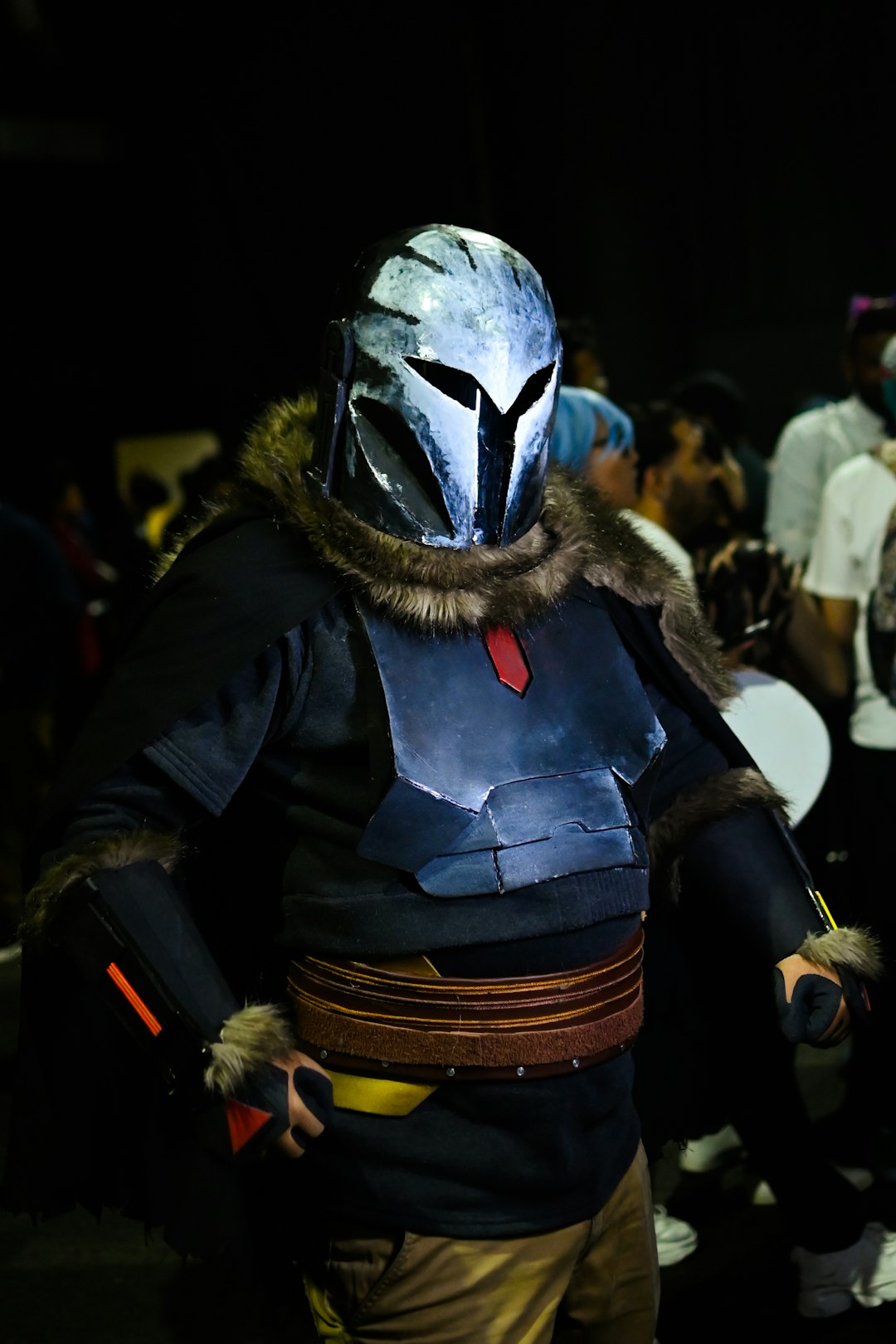
- Cosplay helmets
- Armor parts
- Large vases
- Big storage boxes
- RC car bodies
- Drone frames
- Large signs
- Tool holders
- Lampshades
- Large mechanical prototypes
The best part is fewer seams. Fewer seams means less sanding. Less gluing. Less “why does this corner look weird?”
If you hate post-processing, a bigger printer can feel like magic.
Size Is Not Just About Width
Build size has three parts. Width. Depth. Height.
A printer might have a wide bed but a shorter height. Or it may be tall and narrow. Always check all three numbers.
For example:
- 220 x 220 x 250 mm is common for standard printers.
- 300 x 300 x 300 mm is common for larger printers.
- 300 x 300 x 400 mm is better for tall prints.
If you print helmets, width matters. If you print towers or vases, height matters. If you print flat panels, depth matters.
So do not just look at one number. The printer may try to look big in the ad. Be smarter than the ad.
The Big Win: Fewer Pieces
This is where 300mm printers shine.
Let us say you want to print a helmet. On a standard printer, you may need to cut it into four or more parts. Then you print each part. Then you glue them. Then you sand the seams. Then you wonder why you started this project at midnight.
On a 300mm printer, you may print the helmet in one piece. Or in fewer pieces.
That can save time. It can also make the final part stronger.
Fewer joins mean fewer weak spots.
The Sneaky Downside: Bigger Prints Take Longer
Bigger printer. Bigger prints. Bigger waiting game.
A small print may take two hours. A large print may take two days. Some massive prints can take even longer.
This matters. Long prints use more filament. They use more power. They also give more time for something to go wrong.
A tiny print failure is annoying. A 36-hour print failure is a tragedy with spaghetti.
Yes, plastic spaghetti. Every maker knows it. Every maker fears it.
Standard Printers Are Easier to Live With
Standard printers are usually smaller. They fit on desks. They are easier to move. They are often easier to tune.
They also heat up faster. The bed is smaller. So it takes less time to reach the right temperature.
This can make printing feel smoother. Especially for beginners.
A standard printer is like a friendly little robot. It sits in the corner. It makes things. It does not demand half the room.
300mm Printers Need More Space
A 300mm printer is not tiny. It needs a sturdy table. It needs room around it. It may shake more during fast moves.
You should also think about the spool holder. And the screen. And the cables. And your tools. Soon, your “small printer corner” becomes a “maker command center.”
That can be great. But plan for it.
Before buying, measure your space. Then measure it again. Then imagine opening doors, loading filament, and removing a giant print.
Boring? Maybe. Useful? Very.
Price: The Wallet Monster
Standard 3D printers are often cheaper. Not always. But usually.
A larger 300mm printer often costs more because it needs:
- A bigger frame
- A larger heated bed
- Longer rails or rods
- More power
- More stable motion parts
Also, big prints eat filament fast. A small model may use 30 grams. A large prop may use 700 grams or more.
That means your printer is not the only cost. Filament is part of the story too.
If your budget is tight, a standard printer can be a smart first step.
Print Quality: Does Bigger Mean Better?
No. Bigger does not automatically mean better.
Print quality depends on many things. The frame. The motion system. The hotend. The slicer settings. The filament. The person pressing buttons.
A good standard printer can make beautiful prints. A poor large printer can make wobbly prints.
Large printers have a harder job. They move across bigger distances. They need a flat bed over a bigger area. They must stay stable while printing large parts.
So if you buy a 300mm printer, choose carefully. Look for good reviews. Look for solid construction. Look for reliable bed leveling.
Big and shaky is not fun.
Bed Leveling Matters More on Bigger Printers
Bed leveling sounds boring. It is not. It is the gatekeeper of good prints.
On a standard printer, a small bed is easier to keep level. On a 300mm printer, the bed is larger. A tiny difference from one corner to another can cause trouble.
The first layer may be too squished on one side. It may barely touch on the other.
That can lead to failed prints. Or ugly bottoms. Nobody wants ugly bottoms. In 3D printing, at least.
An auto bed leveling system can help a lot. It is not magic, but it is close.
When a Standard Printer Is the Right Choice
Pick a standard printer if you are new to 3D printing. It is a friendly starting point.
Also pick one if your projects are mostly small. If you print miniatures, gadgets, brackets, and decorations, you may not need a huge build plate.
A standard printer is also great if:
- You have limited room
- You want a lower price
- You want faster heat-up times
- You care about easy setup
- You do not mind splitting large models
- You print for fun, school, or small repairs
For many people, this is the best choice. Simple is good. Simple prints things.
When a 300mm Printer Is the Right Choice
Pick a 300mm printer if your ideas are big. Literally big.
If you already know you want cosplay gear, big prototypes, large household items, or oversized art, the bigger build plate will help.
A 300mm printer is smart if:
- You often print large parts
- You want fewer seams
- You make helmets or props
- You design functional prototypes
- You print many parts at once
- You have enough workspace
- You are okay with longer print times
It is also useful for batch printing. You can place many small objects on the bed at once. That means less restarting. More printing. More tiny plastic army.
Do You Really Need the Extra Space?
Here is a simple test.
Look at the things you want to print. Not someday. Not in fantasy land. The actual things you plan to print soon.
Ask yourself:
- Are most parts bigger than 220mm?
- Do I hate gluing parts together?
- Do I have space for a larger machine?
- Can I afford more filament?
- Am I ready for longer print times?
If you said yes to most of these, 300mm may be right.
If you said no, a standard printer may be perfect.
What About Splitting Models?
Splitting models is common. It is not cheating. It is a normal maker trick.
You can cut a large model into smaller parts using slicing or modeling software. Then you print the pieces. After that, you glue them together.
This works well for statues, props, signs, and decorative items.
But it has downsides:
- More print jobs
- More seams
- More sanding
- More alignment problems
- More chances to lose a tiny part under the desk
If you enjoy finishing work, this is fine. If you want clean one-piece prints, bigger helps.
Material Use and Warping
Large prints can warp more easily. Warping happens when plastic cools unevenly and pulls upward.
This can lift corners from the bed. It can ruin the shape. It can make your print look like it tried to escape.
Bigger parts can be more sensitive to this. A heated bed helps. An enclosure can help too, especially with materials like ABS or ASA.
For PLA, life is easier. PLA is friendly. It is the golden retriever of filament.
Speed Is Not Just Speed
You may think a bigger printer can print more, so it saves time. Sometimes yes. Sometimes no.
Printing one large object takes time. Printing many small objects at once also takes time. If one part fails during a full-bed print, it can affect the others.
Still, batch printing is useful. If you sell small items or make repeated parts, a 300mm bed can be powerful.
For casual use, it may not matter much.
The Best Choice for Beginners
If you are a beginner, a standard printer is often the safer pick. It costs less. It takes less room. It teaches the basics without too much drama.
You will learn leveling. Slicing. Supports. Filament care. Print settings. And the ancient art of staring at the first layer like it owes you money.
Once you know what you love to print, you can upgrade.
But if you are a beginner with one clear goal, like printing cosplay helmets, then starting with 300mm makes sense. Buy for the project you actually want.
Quick Decision Guide
Still stuck? Use this simple guide.
- Choose standard if you want low cost and easy setup.
- Choose standard if your desk space is small.
- Choose standard if most prints fit in your hand.
- Choose 300mm if you print helmets, props, or large cases.
- Choose 300mm if you want fewer seams.
- Choose 300mm if you batch print many parts.
Final Verdict
There is no single perfect build size. There is only the right size for your projects.
A standard 3D printer is practical, affordable, and easy to enjoy. It is great for most users. It can print a huge range of useful and fun objects.
A 300mm 3D printer is better for big ideas. It gives you room to print larger parts in fewer pieces. It is great for cosplay, prototypes, batch printing, and bold projects.
So think about your real projects. Think about your space. Think about your budget. Then choose the printer that fits your life.
Small printer or big printer, the goal is the same: turn ideas into real things. Preferably without making plastic spaghetti.