
A yurt is one of the easiest ways for travelers to book a nature-focused stay without giving up a real bed, heat, Wi-Fi, or a private bathroom. For finding one, Airbnb usually offers more variety and quirkier options, while Vrbo often works better for families or groups looking for a full-property rental with clearer space and privacy.
TLDR: A yurt is a round, tent-like dwelling with a rigid frame, often upgraded for modern stays with electricity, plumbing, and cozy interiors. Airbnb tends to have more unusual yurts, such as off-grid domes near national parks or luxury yurts with hot tubs. Vrbo can be better when a group needs a kitchen, multiple beds, and fewer shared spaces. For example, a couple booking a two-night mountain yurt may find 25 Airbnb options in a region, while a family of five may find only 8 Vrbo yurts, but with larger layouts and stronger privacy filters.
What Is a Yurt?
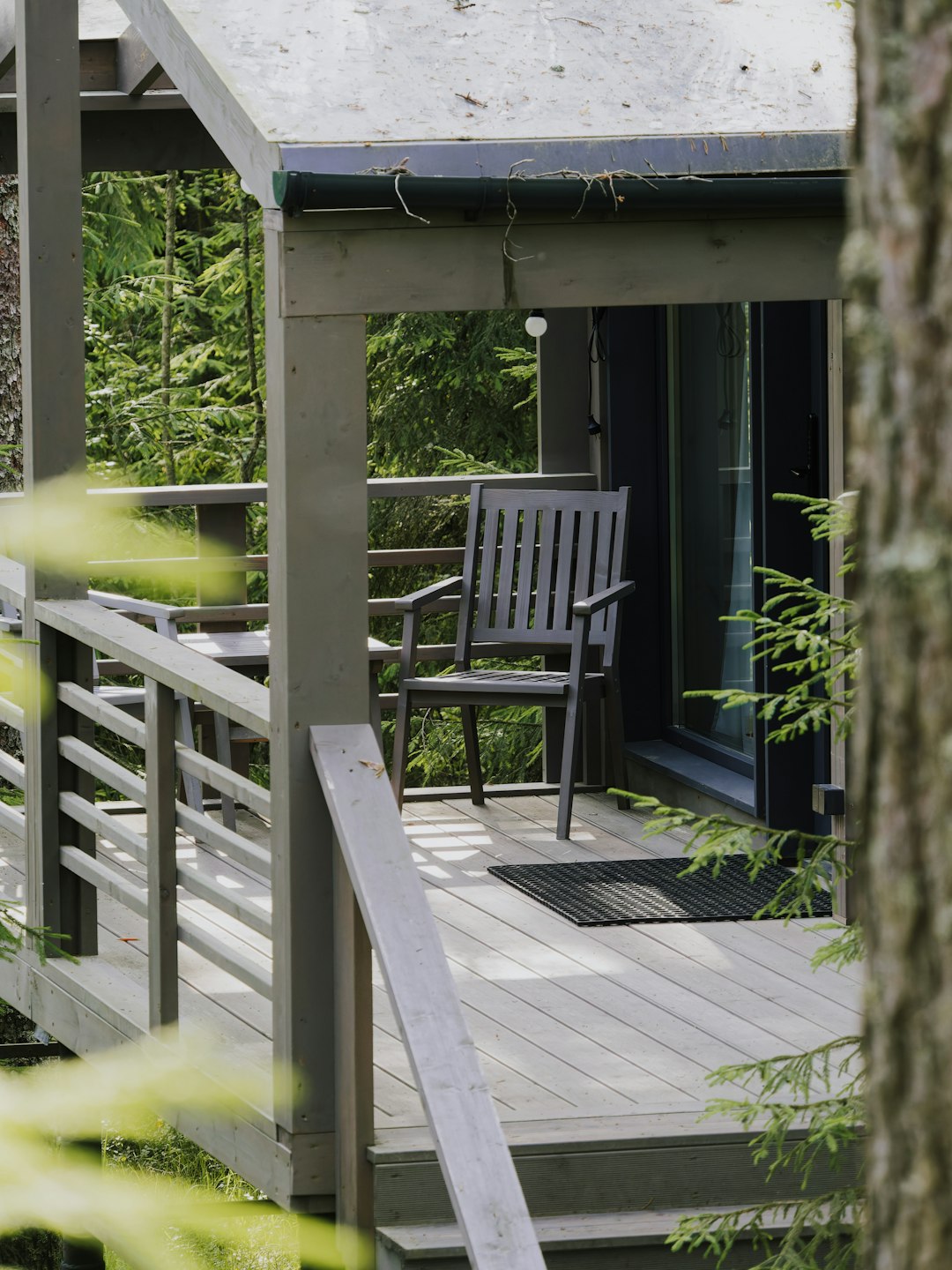
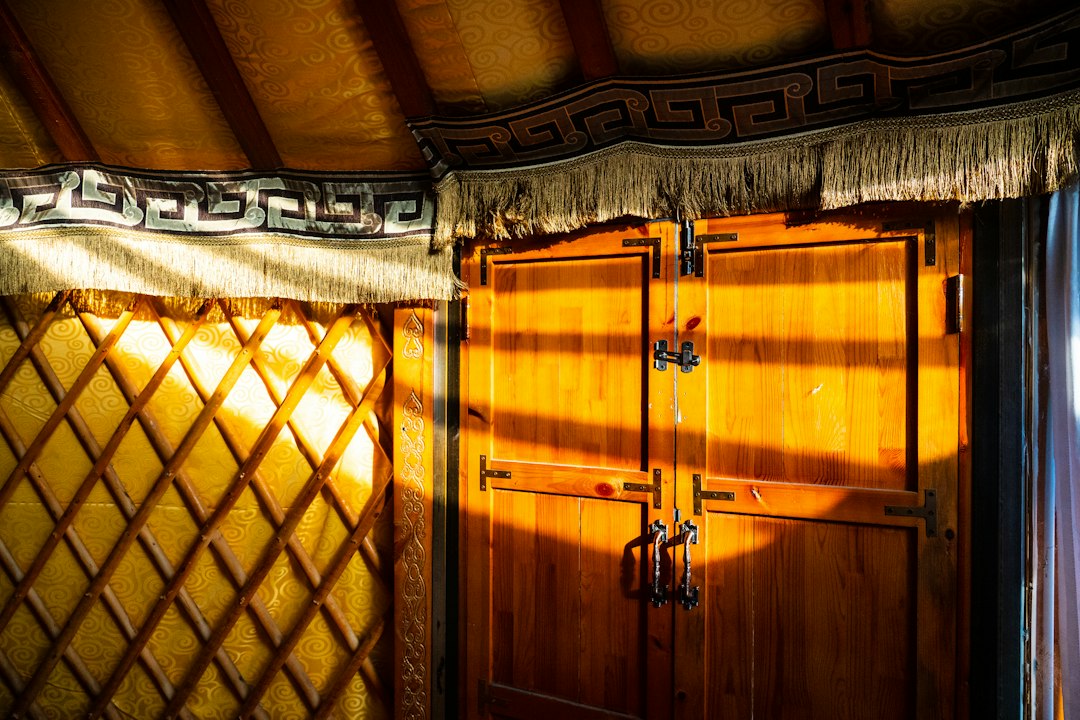
A yurt is a circular shelter built with a wooden frame, fabric walls, and a domed roof. Its roots go back to nomadic communities in Central Asia, where portable homes needed to handle wind, cold, and frequent moves. Modern travel yurts borrow that shape but often add comfort. Guests may find a queen bed, wood stove, heated floors, skylight, kitchenette, and even a soaking tub.
The appeal is simple. A yurt feels closer to camping than a hotel, but less rough than a tent. It gives travelers the sound of rain on canvas, a view of trees or mountains, and the pleasure of walking a few steps to a fire pit. At the same time, many yurts now include strong Wi-Fi and smart locks. It is rustic, but not helplessly rustic.
Why Travelers Book Yurts Instead of Cabins
Yurts stand out because they feel different the second the door opens. A cabin has walls and corners. A yurt has one open circular room, warm light, and a roof opening that draws the eye upward. That shape makes small spaces feel bigger.
They also tend to sit in scenic spots. Many hosts place yurts on farms, wooded lots, desert land, vineyards, lakefront parcels, or mountain ridges. This makes them popular for anniversaries, quiet work breaks, stargazing trips, and low-key honeymoons.
- Best for couples: romantic yurts with hot tubs, views, and fire pits.
- Best for families: larger yurts with kitchens, bathrooms, and nearby trails.
- Best for remote workers: yurts with verified Wi-Fi and a desk or table.
- Best for first-time glampers: yurts with private bathrooms and climate control.
Airbnb for Yurt Stays
Airbnb is usually the stronger choice for sheer yurt variety. Its search results often include off-grid yurts, designer glamping sites, backyard guest yurts, eco-retreats, and high-end canvas stays near major outdoor destinations. For travelers who care about style and surprise, Airbnb often wins.
The platform also has strong photo-heavy listings. This matters with yurts because layout can vary wildly. One listing may have a real bathroom and kitchen. Another may have an outhouse, solar lights, and a cooler. Photos help guests spot the difference fast.
The catch is that Airbnb’s fees can feel messy. A nightly rate may look fair, then cleaning fees and service fees push the total higher at checkout. It drives some travelers crazy that the “affordable” yurt takes several clicks to reveal the real price. Filters help, but not perfectly.
Airbnb works best when:
- The traveler wants unusual design or a romantic setup.
- The trip is for one or two guests.
- The destination has many rural or glamping hosts.
- Flexible dates matter more than strict property features.
Vrbo for Yurt Stays
Vrbo is often better for families, friend groups, and guests who want a whole place to themselves. Vrbo has fewer single-room oddities than Airbnb, but many listings focus on full-property stays. That can mean more privacy, a bigger kitchen, outdoor dining space, and fewer shared facilities.
Vrbo’s audience also tends to search for vacation homes rather than quick novelty stays. Because of that, yurt listings on Vrbo may be attached to larger properties or set up for longer visits. A yurt may sit beside a cabin, on a ranch, or within a private retreat space.
Honestly, it feels like Vrbo can be slower when searching for very niche stays. Some regions show few yurt results, and a traveler may need to try terms like glamping, camp, or round house. That extra searching can take 5 to 10 minutes longer than expected, especially in rural areas.
Vrbo works best when:
- The group needs more beds or a full kitchen.
- Privacy matters more than quirky décor.
- The stay is longer than a weekend.
- The traveler wants fewer shared amenities.

Airbnb vs Vrbo: Which Is Better for Unique Yurts?
For unique yurt accommodations, Airbnb has the edge. It tends to show more creative stays with personality. A traveler may find a desert yurt with a telescope, a coastal yurt with a cedar hot tub, or a forest yurt with a skylight over the bed. Airbnb also has more host-written descriptions that explain the mood of the stay.
Vrbo is less flashy, but it can be more practical. A family booking a week in the mountains may care less about a velvet chair and more about laundry, parking, and a stove. Vrbo listings often shine when the yurt is part of a full vacation setup rather than the only attraction.
| Feature | Airbnb | Vrbo |
|---|---|---|
| Yurt variety | Usually higher | More limited |
| Best for couples | Strong choice | Good, but fewer options |
| Best for families | Mixed | Often stronger |
| Privacy | Varies by host | Often clearer |
| Fees | Can jump at checkout | Can also be high, but often clearer for full homes |
What to Check Before Booking a Yurt
A yurt can be magical, but details matter. Guests should read the listing like a checklist, not a poem. The words eco, rustic, and off-grid may sound charming, yet they can also mean no flush toilet, limited heat, or a long walk from parking.
- Bathroom: private, shared, composting, or separate bathhouse?
- Heat and cooling: wood stove, electric heater, fan, or nothing?
- Kitchen: full kitchen, mini fridge, grill, or just coffee gear?
- Power: standard outlets, solar power, or limited charging?
- Wi-Fi: available, weak, or intentionally absent?
- Access: paved road, dirt track, stairs, or hike-in path?
- Weather: safe for winter, storms, high winds, or summer heat?
Reviews are crucial. If three guests mention cold nights, thin curtains, or muddy access, there is likely a pattern. A beautiful yurt can still be a poor fit for guests with small children, mobility needs, or strict work calls.
Price Expectations
Yurt pricing changes by region and season. Basic yurts may cost around $75 to $140 per night. Stylish glamping yurts often sit between $150 and $300 per night. Luxury yurts with hot tubs, bathrooms, mountain views, and premium interiors can pass $400 per night.
Cleaning fees can shift the final value. A $120 yurt with a $95 cleaning fee is less appealing for one night, but fairer for four nights. Guests comparing Airbnb and Vrbo should always compare the total trip price, not the nightly rate.
Final Verdict
Airbnb is usually better for finding the most unusual yurt stays. It suits couples, solo travelers, and anyone who wants a memorable design. Vrbo is better when space, privacy, and group comfort matter more. The smartest approach is to search both, compare total cost, and read the least flattering reviews first. A yurt stay should feel peaceful, not like a surprise survival test.
FAQ
What is a yurt?
A yurt is a round shelter with a frame and fabric covering. Modern rental yurts often include beds, heat, electricity, and private outdoor space.
Is a yurt the same as a tent?
No. A yurt is sturdier than a standard tent. It has a rigid frame, taller walls, and better protection from weather.
Is Airbnb or Vrbo better for booking a yurt?
Airbnb is usually better for variety and unusual designs. Vrbo is often better for families, groups, and private full-property stays.
Do yurts have bathrooms?
Some do. Others use shared bathhouses, composting toilets, or outdoor facilities. Guests should check the listing details before booking.
Are yurts good for winter stays?
Some yurts are excellent in winter, especially those with insulation and wood stoves. Others are seasonal. Heating details and recent reviews matter.
Are yurt stays worth it?
They are worth it for travelers who want nature, quiet, and a more memorable stay than a standard hotel room. They are less ideal for guests who need thick walls, hotel service, or guaranteed climate control.