
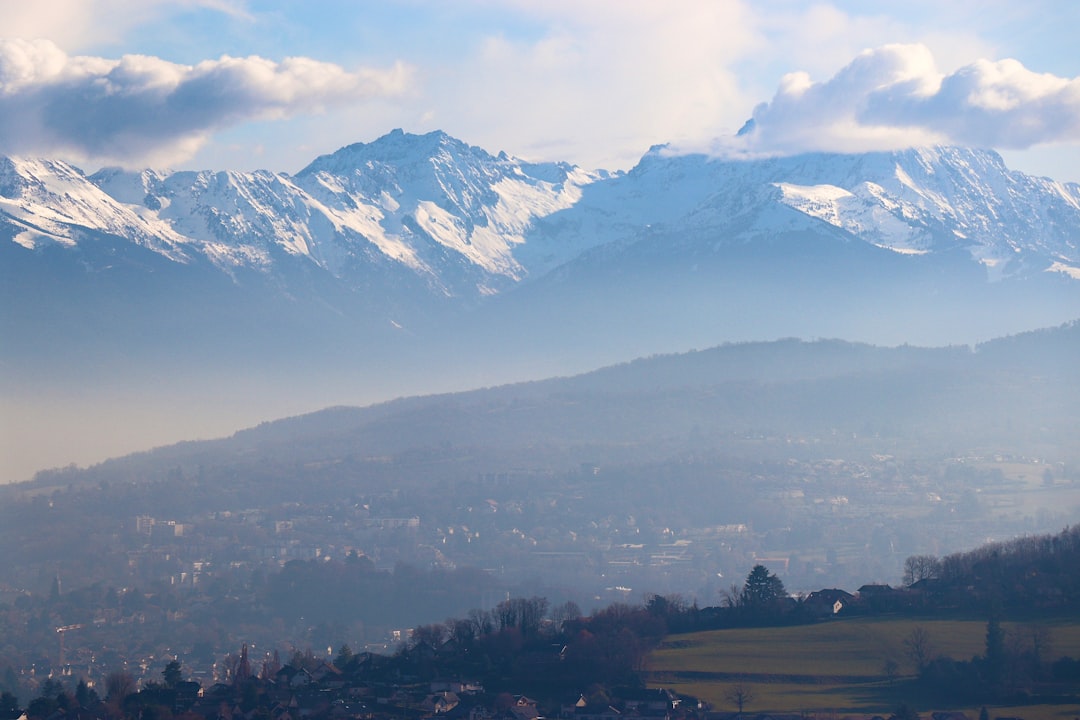
Breckenridge, Colorado is one of the most recognized mountain towns in the United States, known for its historic character, reliable snowfall, high alpine terrain, and dramatic Rocky Mountain setting. Understanding Breckenridge elevation is important for anyone planning to ski, hike, bike, or simply spend time in town, because altitude affects weather, physical performance, hydration, sleep, and overall comfort.
TLDR: Breckenridge sits at approximately 9,600 feet above sea level, making it one of the highest major resort towns in North America. The ski resort rises much higher, with lifts reaching nearly 13,000 feet and surrounding peaks extending above that. Visitors should take altitude seriously by hydrating, pacing activity, limiting alcohol at first, and allowing time to acclimate. The high elevation is also what gives Breckenridge its cool climate, long ski season, and expansive alpine views.
Why Breckenridge Elevation Matters
Elevation is not just a number on a sign at the edge of town. In Breckenridge, it influences nearly every part of the visitor experience. The town itself is already high enough that many travelers arriving from sea level may notice shortness of breath, mild headaches, fatigue, or restless sleep during the first day or two. This does not mean Breckenridge is unsafe for most healthy visitors, but it does mean that the environment demands respect.
At higher elevations, the air contains less oxygen per breath. The oxygen percentage in the atmosphere remains about the same, but the air pressure is lower, so your body receives less oxygen with each inhalation. This can make ordinary activities, such as walking up stairs or carrying luggage, feel more demanding than expected. For athletes and skiers, the difference can be even more noticeable.
Image not found in postmetaHow High Is Breckenridge?
The town of Breckenridge is located at approximately 9,600 feet, or about 2,926 meters, above sea level. This is significantly higher than Denver, which is around 5,280 feet, and higher than many other well-known mountain towns in Colorado.
For comparison:
- Denver: about 5,280 feet
- Vail Village: about 8,150 feet
- Aspen: about 8,000 feet
- Telluride: about 8,750 feet
- Breckenridge: about 9,600 feet
This means that even before stepping onto a chairlift, visitors in Breckenridge are already staying at a true high-altitude destination. Hotel rooms, restaurants, shops, and trailheads are often located at altitudes that may require adjustment for people not accustomed to the mountains.
Breckenridge Ski Resort Elevation
Breckenridge Ski Resort is spread across a large and varied mountain area, with terrain distributed over several main peaks. The resort’s general elevation range is approximately 9,600 feet at the base to just under 13,000 feet at the highest lift-served terrain.
The highest lift at Breckenridge is the Imperial Express SuperChair, often cited as one of the highest chairlifts in North America. It reaches roughly 12,840 feet. From there, advanced skiers and riders can access additional high alpine terrain, weather and conditions permitting.
This vertical range is one of the reasons Breckenridge offers such a wide variety of ski experiences. Lower mountain areas include beginner slopes, learning zones, wooded trails, and groomed cruisers. Higher elevations offer open bowls, wind-scoured ridgelines, expert terrain, and expansive views across Summit County.
The Main Peaks at Breckenridge
Breckenridge is commonly described in terms of its numbered peaks: Peak 6, Peak 7, Peak 8, Peak 9, and Peak 10. Each has its own character, elevation profile, and terrain style.
Peak 6
Peak 6 is known for intermediate and advanced high alpine terrain. It provides access to open bowls and less sheltered slopes, where wind, visibility, and snow conditions can change quickly. Because much of this area sits at very high elevation, it can feel more physically demanding than lower parts of the resort.
Peak 7
Peak 7 is popular for intermediate skiers and snowboarders. It features wide groomed runs and rolling terrain. The elevation remains high, but the style of skiing is generally more approachable than the steep alpine bowls above.
Peak 8
Peak 8 is often considered the central hub of Breckenridge Ski Resort. It includes beginner areas, intermediate runs, terrain parks, and access to the Imperial Express SuperChair. The base of Peak 8 is a major gathering point with lift access, dining, rentals, and skier services.
Image not found in postmetaPeak 9
Peak 9 is especially important for beginners and families. Its lower mountain terrain includes gentle slopes, ski school zones, and convenient access from town. Although it is still high by national standards, Peak 9 can feel more manageable for those adjusting to altitude.
Peak 10
Peak 10 is associated with more advanced terrain, including steeper runs and expert descents. It is often quieter than some central resort areas, but the higher effort required should not be underestimated, especially for visitors still acclimating.
Nearby Mountain Heights
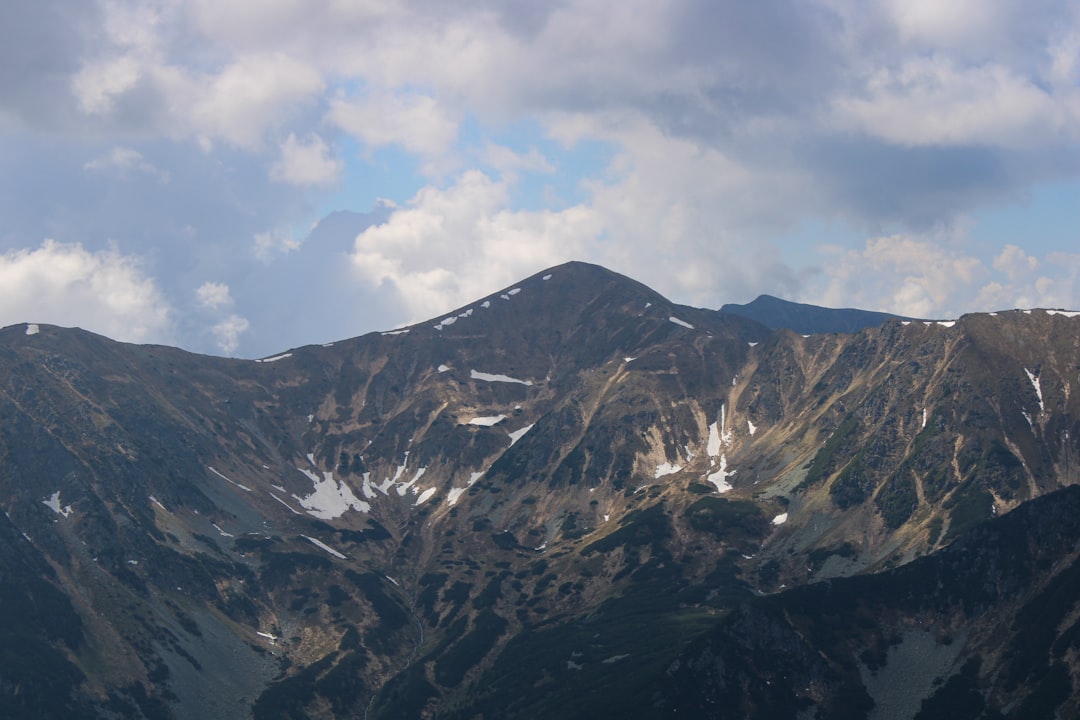
Breckenridge is surrounded by impressive Rocky Mountain summits. The Tenmile Range forms the dramatic backdrop west of town and includes a number of high peaks that define the region’s scenery.
Some notable nearby mountain heights include:
- Quandary Peak: approximately 14,265 feet
- Peak 10: approximately 13,600 feet
- Peak 9: over 13,000 feet
- Peak 8: over 12,900 feet
- Peak 6: over 12,500 feet
Quandary Peak, located south of Breckenridge, is one of Colorado’s famous “fourteeners,” meaning it rises above 14,000 feet. It is a popular hiking destination, but it should not be treated casually. Even relatively straightforward fourteeners involve serious altitude, rapid weather changes, exposure, and physical strain.
Altitude Sickness in Breckenridge
Because Breckenridge is so high, visitors should understand the basics of altitude sickness. Mild symptoms are relatively common and may include headache, nausea, dizziness, fatigue, reduced appetite, and difficulty sleeping. These symptoms often improve after one or two days as the body adjusts.
However, altitude illness can become serious if symptoms worsen or are ignored. Anyone experiencing severe headache, confusion, difficulty walking, persistent vomiting, chest tightness, or shortness of breath at rest should seek medical attention promptly. The most effective treatment for significant altitude sickness is descending to a lower elevation.
To reduce risk, consider the following:
- Hydrate consistently before and during your stay.
- Limit alcohol during the first 24 to 48 hours.
- Avoid overexertion on your first day.
- Eat balanced meals, even if your appetite is reduced.
- Sleep and rest when your body signals fatigue.
- Consider arriving early before intense skiing or hiking days.
Weather and Climate at High Elevation
Breckenridge’s high elevation shapes its climate. Winters are cold and snowy, supporting a long ski season that can extend from late fall into spring. Summer days are often mild and pleasant, while evenings can be cool, even in July and August. Visitors should be prepared for large temperature swings between day and night.
High elevation also intensifies sun exposure. Ultraviolet radiation is stronger at altitude, and snow can reflect sunlight, increasing the risk of sunburn. Sunscreen, sunglasses, goggles, and lip protection are not optional details; they are practical necessities.
Weather can change rapidly in the mountains. A clear morning can turn into an afternoon thunderstorm, especially in summer. Winter storms can reduce visibility and make exposed terrain challenging. Anyone venturing onto high ridges, bowls, or backcountry trails should check forecasts and respect closures, warnings, and local guidance.
How Elevation Affects Skiing and Snowboarding
The altitude at Breckenridge can be both an advantage and a challenge. On the positive side, the high elevation helps preserve snow quality, especially during colder periods. It also supports upper mountain terrain that remains skiable later into the season than lower elevation resorts.
On the challenging side, skiing at 11,000 to nearly 13,000 feet requires more from the body. Turns, traverses, short hikes, and powder runs may feel tiring much sooner than expected. Even experienced skiers from lower elevations may need to reduce intensity.
A practical strategy is to begin on easier terrain and gradually progress upward. Spend time on Peak 9 or groomed intermediate runs before moving into high alpine bowls. If you feel lightheaded or unusually fatigued, descend, rest, and rehydrate. There is no benefit in forcing performance at the expense of safety.
Hiking and Summer Activities at Elevation
Breckenridge is not only a winter destination. In summer and fall, visitors come for hiking, mountain biking, trail running, fishing, festivals, and scenic drives. These activities are highly enjoyable, but they are still shaped by altitude.
Hiking near Breckenridge often begins at elevations higher than many mountain summits in other parts of the country. A moderate trail on paper can feel strenuous because of thinner air. If hiking above treeline, start early, bring extra layers, carry water, and be prepared to turn around if weather deteriorates.
Mountain biking also feels more demanding at elevation. Climbs can be slow, and recovery may take longer. Riders should pace themselves carefully and avoid assuming that fitness at lower elevation will transfer directly to Breckenridge.
Best Practices for Visiting Breckenridge
A successful trip to Breckenridge often depends on respecting the environment. The town is welcoming and well developed, but it remains a high mountain destination. Smart preparation improves comfort and reduces risk.
- Plan an easy first day: Avoid scheduling your hardest ski day, long hike, or major celebration immediately after arrival.
- Drink more water than usual: Dry mountain air increases fluid loss through breathing and activity.
- Dress in layers: Conditions can shift quickly between sun, wind, shade, and snow.
- Protect your skin and eyes: Use sunscreen, sunglasses, and proper eyewear year-round.
- Know your limits: Turning back early is a sign of good judgment, not failure.
Final Thoughts
Breckenridge’s elevation is central to its identity. The town’s position at approximately 9,600 feet, combined with ski terrain approaching 13,000 feet and nearby mountains rising above 14,000 feet, creates the scenery, snow, and alpine atmosphere that make the destination exceptional. At the same time, this elevation requires preparation and awareness.
For most visitors, Breckenridge is entirely manageable with sensible precautions: hydrate, rest, limit early exertion, and listen to your body. Whether you are skiing Peak 8, hiking near the Tenmile Range, exploring Main Street, or planning a climb of Quandary Peak, understanding mountain heights helps you make better decisions. In Breckenridge, altitude is not just background information; it is one of the defining features of the experience.