
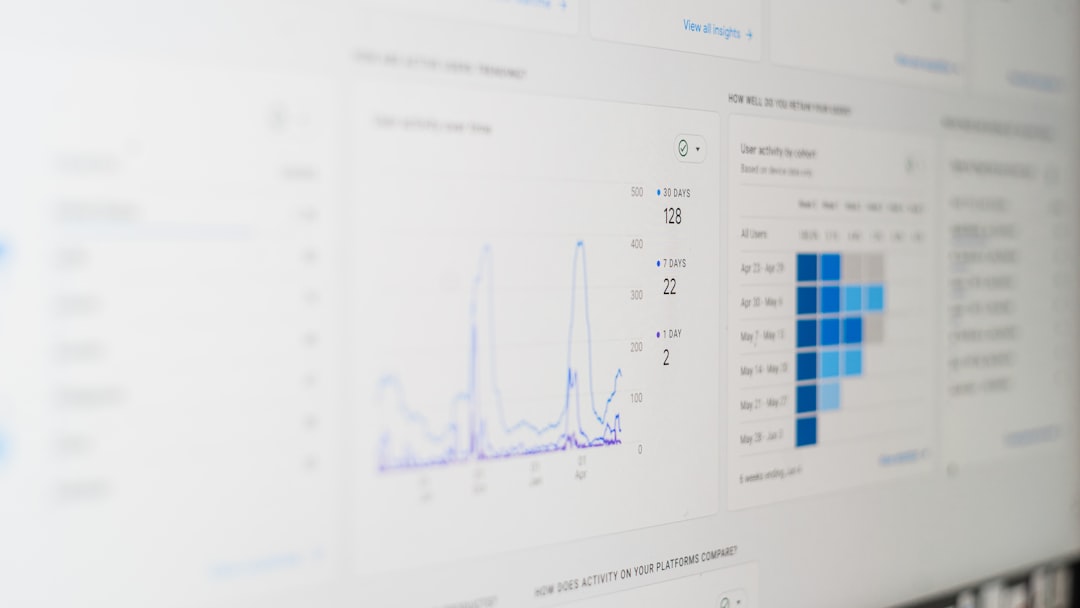
Your customer data is like a big box of puzzle pieces. Some pieces live in your email tool. Some hide in your app. Others sit in your store, CRM, website, or support desk. A Customer Data Platform, or CDP, puts those pieces together. The best ones also give you smart dashboards, clear reports, and analytics that help you act fast.
TLDR: The best CDPs help teams collect customer data, understand behavior, and build better campaigns from one place. For example, an online store might see that 38% of high-value buyers return after getting a cart reminder within 2 hours. With the right dashboard, the team can spot that pattern and automate it. Good picks include Segment, Tealium, mParticle, Treasure Data, Bloomreach Engagement, Salesforce Data Cloud, and Adobe Real-Time CDP.
What makes a CDP great?
A great CDP does more than store names and emails. It connects many data sources. It cleans messy data. It builds customer profiles. Then it turns those profiles into useful insights.
The dashboard matters a lot. Nobody wants to dig through 20 tabs to answer one question. A strong analytics dashboard should show:
- Customer journeys from first visit to purchase.
- Segments like loyal buyers, bargain hunters, or churn risks.
- Revenue impact from campaigns and channels.
- Real-time behavior, such as clicks, views, and app events.
- Predictive scores for churn, purchase intent, and lifetime value.
Now let’s meet the seven stars.

1. Segment
Segment is one of the best-known CDPs. It is popular with product teams, growth teams, and developers. It collects data from websites, apps, servers, and many marketing tools.
Its analytics power comes from clean event tracking. You can see what users do inside your product. You can also send that data to tools for email, ads, testing, and business intelligence.
Best for: Teams that want clean customer data and flexible integrations.
Dashboard highlight: Segment helps teams watch user events, source quality, and audience activity. It is great when you need trusted data before fancy charts.
Fun way to think of it: Segment is the air traffic controller for your customer data planes.
2. Tealium
Tealium is built for serious data control. It is strong in consent, privacy, and real-time customer profiles. That makes it a smart choice for large brands, finance teams, healthcare groups, and global companies.
Tealium’s dashboards help teams see live customer behavior. You can build audience segments and send them to marketing channels quickly. You can also manage data rules, consent settings, and event streams.
Best for: Enterprises that care about governance and real-time activation.
Dashboard highlight: Tealium gives visibility into audiences, data flows, consent status, and profile updates.
Simple example: If a customer browses hiking boots three times in one week, Tealium can help trigger a relevant offer before they wander away.
3. mParticle
mParticle shines for mobile apps and digital products. It is used by brands that need detailed customer journey data across devices. Think apps, subscriptions, media, games, and ecommerce.
mParticle helps teams collect events, manage user identities, and connect customer activity across web and mobile. Its analytics features are useful for tracking funnels, retention, and product engagement.
Best for: App-first companies and product-led teams.
Dashboard highlight: mParticle makes it easier to follow users across sessions, devices, and channels.
Why it feels fun: It helps you see where users get excited, where they get bored, and where they fall into the “nope” zone.
4. Treasure Data
Treasure Data is a powerful CDP for brands with lots of data. Really, lots. It can handle data from stores, websites, loyalty programs, ads, call centers, and more.
Its analytics tools are strong. Teams can create detailed segments, run customer journey analysis, and measure business outcomes. It also supports advanced use cases like predictive modeling and personalization.
Best for: Large companies with complex customer data.
Dashboard highlight: Treasure Data offers deep reporting on segments, campaigns, customer value, and engagement trends.
Best mental image: It is like a giant data warehouse that learned marketing and put on cool sneakers.
5. Bloomreach Engagement
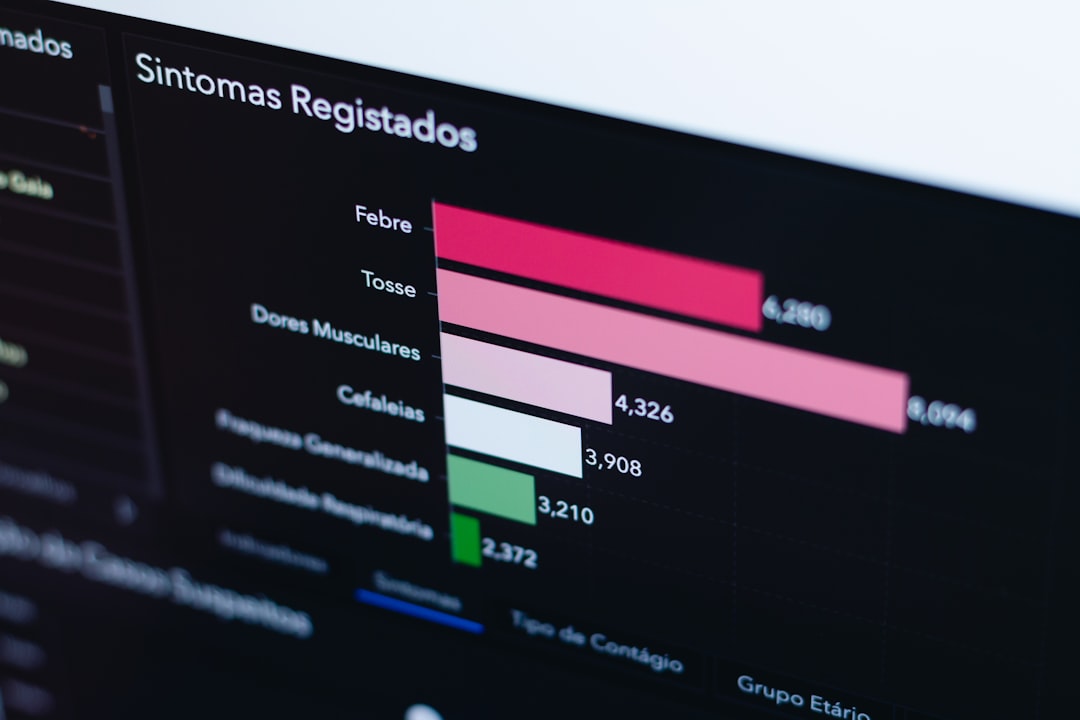
Bloomreach Engagement is a CDP with strong marketing automation. It is especially loved by ecommerce and retail teams. Why? Because it connects customer data with email, SMS, web personalization, and campaigns.
The dashboards are easy to love. You can track purchases, campaign revenue, customer paths, and product behavior. You can also build segments and test messages from the same platform.
Best for: Ecommerce brands that want analytics and campaign tools together.
Dashboard highlight: Bloomreach shows revenue by campaign, conversion funnels, retention, and customer lifetime value.
Quick use case: A fashion store can spot that customers who view “new arrivals” twice are 24% more likely to buy within 48 hours. Then it can send a timed discount or styling tip.
6. Salesforce Data Cloud
Salesforce Data Cloud is a strong pick for companies already using Salesforce. It connects customer data across sales, service, marketing, commerce, and external systems.
Its biggest power is unification. It helps teams create a shared view of the customer. Sales can see support history. Marketing can see purchase intent. Service can see past campaigns. Everyone stops guessing.
Best for: Salesforce-heavy teams that want one customer view.
Dashboard highlight: When paired with Salesforce analytics tools, teams can track customer health, pipeline influence, engagement, and revenue impact.
Simple way to say it: It helps your sales, service, and marketing teams stop acting like strangers at the same party.
7. Adobe Real-Time CDP
Adobe Real-Time CDP is made for big brands that need deep personalization. It works well with the Adobe Experience Cloud. It can pull in data from many places and create real-time customer profiles.
Adobe’s analytics strength is serious. Teams can study journeys, audiences, attribution, and behavior across channels. It is useful for personalization at scale, especially when paired with Adobe Analytics and Adobe Journey Optimizer.
Best for: Enterprise brands focused on customer experience and personalization.
Dashboard highlight: Adobe gives advanced views of audiences, journeys, engagement, and campaign performance.
Fun comparison: Adobe Real-Time CDP is like a backstage crew for a huge concert. The customer sees magic. The team sees every light, sound, and cue.
How to choose the right CDP
Do not pick a CDP just because it sounds fancy. Pick the one that fits your team, data, and goals. A small ecommerce team needs different tools than a global bank.
Use these questions:
- Where does our customer data live? Website, app, CRM, store, support, or all of them?
- Do we need real-time data? Some teams do. Some only need daily updates.
- Who will use the dashboards? Marketers, product managers, analysts, executives, or sales teams?
- Do we need built-in campaigns? If yes, Bloomreach may be handy.
- Do we need deep enterprise control? If yes, Tealium, Adobe, or Treasure Data may fit.
- Are we already in a major ecosystem? Salesforce and Adobe users may benefit from staying close to home.
Quick comparison
- Segment: Best for clean data pipelines and integrations.
- Tealium: Best for privacy, governance, and real-time control.
- mParticle: Best for mobile apps and product analytics.
- Treasure Data: Best for large, complex data environments.
- Bloomreach Engagement: Best for ecommerce marketing and revenue dashboards.
- Salesforce Data Cloud: Best for Salesforce-centered companies.
- Adobe Real-Time CDP: Best for enterprise personalization and journey analytics.
Final thoughts
The best CDP is not the one with the longest feature list. It is the one your team will actually use. Fancy dashboards are great. But clear actions are better.
Look for a platform that helps you answer simple questions fast. Who are our best customers? What do they want next? Which campaigns make money? Who might leave soon?
When your CDP answers those questions with clean dashboards and smart analytics, your data stops being a messy closet. It becomes a treasure map. And yes, the treasure is happier customers, better campaigns, and more revenue.