
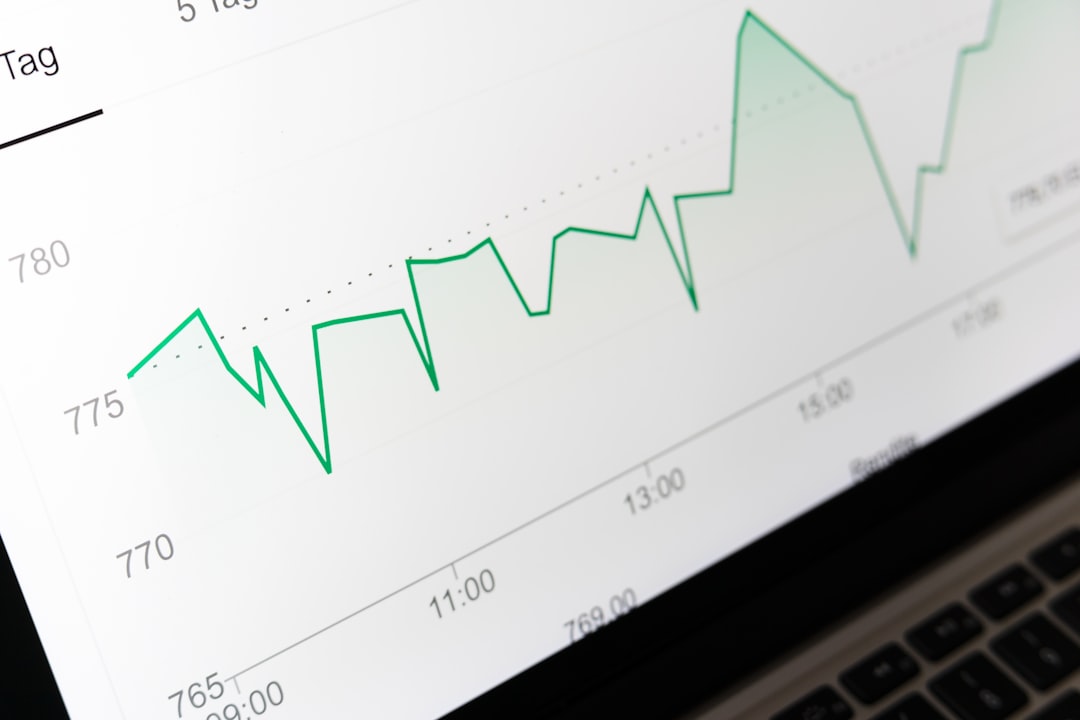
Organic search is more competitive than ever, and in 2026, SEO professionals need more than a simple “where do I rank?” answer. Modern rank tracking has to account for AI Overviews, local packs, featured snippets, mobile results, competitor movement, search intent, and multi-location visibility. The best tools help teams understand not only position changes, but also what those changes mean for traffic, conversions, and strategy.
TLDR: The best organic rank tracker tools for SEO professionals in 2026 combine accurate keyword tracking with competitor insights, SERP feature monitoring, reporting, and scalable workflows. Semrush, Ahrefs, and SE Ranking are strong all-around choices, while tools like AccuRanker and STAT shine for advanced tracking at scale. Choose based on your campaign size, reporting needs, local SEO requirements, and how deeply you need to analyze SERP changes.
Why Rank Tracking Still Matters in 2026
Some marketers argue that rankings matter less because search results are now personalized, dynamic, and influenced by AI-generated answers. That is partly true. However, rank tracking remains one of the clearest ways to measure SEO momentum, diagnose visibility drops, and understand competitive pressure.
The key is to avoid treating rank reports as vanity dashboards. A useful rank tracker should help answer questions such as: Which pages are gaining visibility? Which competitors are overtaking us? Are we appearing in rich results? Are rankings improving in the cities, devices, and countries that matter most?
1. Semrush Position Tracking
Best for: SEO teams that want rank tracking inside a broad digital marketing platform.
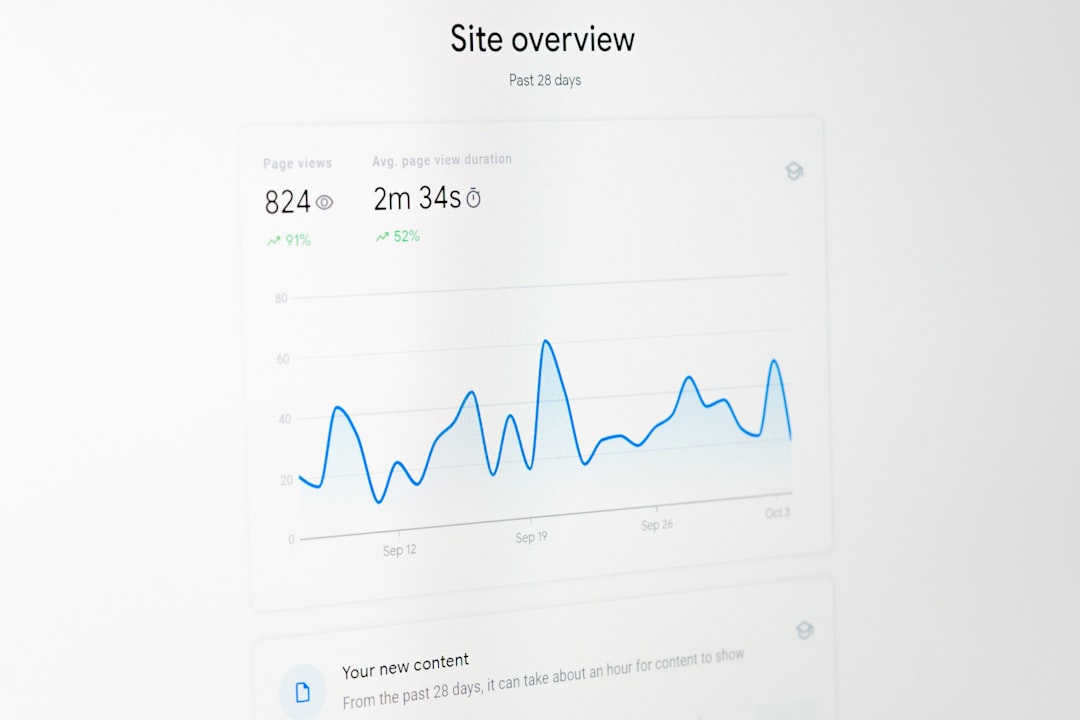
Semrush remains one of the most popular choices for SEO professionals because its rank tracking is connected to a wider ecosystem of keyword research, backlink analysis, site auditing, content tools, and competitive intelligence. Its Position Tracking tool allows users to monitor keywords across locations, devices, and search engines, while also tracking visibility, estimated traffic, and SERP features.
One of Semrush’s biggest advantages is its competitor comparison. You can quickly see which domains are gaining visibility for your target keyword set and where your site is losing ground. For agencies, the reporting options are also strong, making it easier to turn ranking data into client-friendly updates.
- Strengths: Excellent all-in-one SEO suite, strong competitor tracking, useful reporting.
- Limitations: Can be expensive if you only need rank tracking.
2. Ahrefs Rank Tracker
Best for: SEO professionals who want ranking data connected to backlinks and content performance.
Ahrefs is widely respected for backlink analysis, but its Rank Tracker is also a serious tool for monitoring organic visibility. It lets users track keywords over time, compare desktop and mobile rankings, analyze share of voice, and monitor performance across different countries.
What makes Ahrefs especially interesting is how rank data connects with its broader SEO metrics. For example, if a page climbs in rankings after earning new referring domains, you can investigate that relationship more easily. Ahrefs is also useful for content-driven SEO teams that want to see how keyword movements align with page-level performance.
- Strengths: Strong SEO database, clean interface, excellent for content and backlink analysis.
- Limitations: Reporting and daily tracking flexibility may not suit every agency workflow.
3. SE Ranking
Best for: Agencies, freelancers, and growing teams that want strong features at a manageable price.
SE Ranking has become a favorite among SEO professionals who need reliable rank tracking without paying enterprise-level prices. It supports tracking across locations, devices, and search engines, and it includes useful extras such as competitor monitoring, website audits, backlink tools, and white-label reporting.
Its rank tracker is especially practical for agencies managing multiple clients. You can organize projects, schedule reports, and monitor local results with good flexibility. The platform also balances depth and usability well, making it approachable for smaller teams while still powerful enough for advanced work.
- Strengths: Good value, agency-friendly reports, strong local and competitor tracking.
- Limitations: Some advanced datasets may not feel as deep as larger enterprise platforms.
4. AccuRanker
Best for: SEO teams that need fast, accurate, dedicated rank tracking.
AccuRanker is built specifically for rank tracking, and that focus shows. It is known for fast updates, clean dashboards, and precise keyword monitoring. SEO professionals can track rankings across devices, locations, and SERP features, while also segmenting keywords with tags and filters.
One of AccuRanker’s standout qualities is speed. When teams need on-demand refreshes or quick insight into ranking fluctuations, AccuRanker is a strong choice. It is particularly useful for agencies, ecommerce sites, and in-house teams that already have separate tools for technical SEO, links, and content but want a specialized tracker.
- Strengths: Fast updates, excellent filtering, highly focused rank tracking.
- Limitations: Less of an all-in-one SEO platform.
5. STAT Search Analytics
Best for: Enterprise SEO teams and large websites tracking keywords at scale.
STAT, owned by Moz, is designed for serious rank tracking across large keyword sets. It is often used by enterprise SEO teams, publishers, retailers, and agencies that need to monitor thousands or even millions of SERP results with granular segmentation.
STAT is especially strong when you need to analyze search visibility by keyword groups, markets, product categories, or locations. It also provides detailed SERP feature tracking, which is increasingly important as organic results compete with AI summaries, shopping modules, video results, local packs, and other rich elements.
- Strengths: Enterprise scalability, powerful segmentation, strong SERP analysis.
- Limitations: More complex and costly than tools built for smaller teams.
6. Nozzle
Best for: Deep SERP analysis and highly customizable rank tracking.
Nozzle is a flexible, data-rich rank tracker that appeals to SEO professionals who want more than a single ranking number. It can track not only where your domain appears, but also how much SERP real estate you occupy, which competitors appear around you, and which result types dominate a keyword.
This makes Nozzle especially useful for brands that care about visibility ownership. For example, if your website, YouTube video, review page, and knowledge panel all appear on the same results page, traditional rank tracking may understate your presence. Nozzle helps reveal that broader picture.
- Strengths: Detailed SERP visibility, flexible scheduling, strong competitive insights.
- Limitations: The depth of data may require a learning curve.
7. Advanced Web Ranking
Best for: Agencies and SEO teams that need dependable rank reports across many markets.
Advanced Web Ranking, often called AWR, has been in the rank tracking space for a long time and continues to be a reliable option. It supports keyword tracking across search engines, devices, and locations, with useful reporting and competitor visibility features.
AWR is particularly strong for teams that need scheduled ranking updates and professional reports. It may not have the same all-in-one appeal as Semrush or Ahrefs, but its focused approach makes it dependable for ongoing monitoring. For agencies handling recurring SEO campaigns, that reliability matters.
- Strengths: Reliable tracking, good reports, suitable for agencies and multi-market campaigns.
- Limitations: Interface and broader SEO features may feel less modern than some competitors.
How to Choose the Right Rank Tracker
The best tool depends on how you work. A freelancer managing five local clients has very different needs from an enterprise SEO team monitoring international ecommerce categories. Before choosing, look closely at these factors:
- Tracking frequency: Do you need daily updates, weekly reporting, or on-demand refreshes?
- Location accuracy: Can the tool track rankings in the exact countries, cities, or ZIP-level areas you target?
- SERP feature monitoring: Does it track featured snippets, local packs, videos, shopping results, and AI-influenced layouts?
- Competitor visibility: Can you measure share of voice and identify emerging competitors?
- Reporting: Are reports easy to customize, schedule, and explain to stakeholders?
- Scalability: Will pricing and performance still make sense as your keyword set grows?

Final Thoughts
In 2026, organic rank tracking is less about obsessing over one keyword position and more about understanding visibility, intent, competition, and opportunity. The right platform should help you spot trends early, explain performance clearly, and make smarter SEO decisions.
If you want a broad SEO suite, Semrush or Ahrefs may be the best fit. If value and agency workflows matter most, SE Ranking is a strong contender. For specialized, high-accuracy tracking, consider AccuRanker, STAT, Nozzle, or Advanced Web Ranking. Ultimately, the best organic rank tracker is the one that turns ranking data into action.