

Organizations planning connected products, industrial networks, remote infrastructure, or secure out-of-band management often compare vendors through a practical lens: reliability, lifecycle support, security posture, channel availability, and the ability to scale from pilot projects to production deployments. Lantronix is well known in this space for IoT gateways, embedded compute, console servers, device management, and connectivity solutions. For 2026 planning, the following companies deserve consideration as alternatives, complements, or competitive benchmarks.
TLDR: If you are evaluating companies like Lantronix in 2026, look closely at vendors that combine industrial connectivity, edge computing, secure remote access, and long product lifecycles. Digi International, Advantech, Moxa, Kontron, ADLINK, Semtech, Belden, HMS Networks, Teltonika Networks, and Ericsson Enterprise Wireless Solutions are among the strongest names to review. The right choice depends less on brand similarity and more on fit: certification requirements, management software, security features, supply continuity, and deployment environment.
How to Compare Companies Like Lantronix
Before selecting a supplier, buyers should define whether they need an embedded module, an industrial gateway, a cellular router, a serial device server, or a remote management platform. Lantronix spans several of these categories, which means a comparable company may only overlap in one or two product areas. A serious comparison should include hardware specifications, software management tools, security updates, regulatory certifications, warranty coverage, and the expected availability of products over five to ten years.
1. Digi International
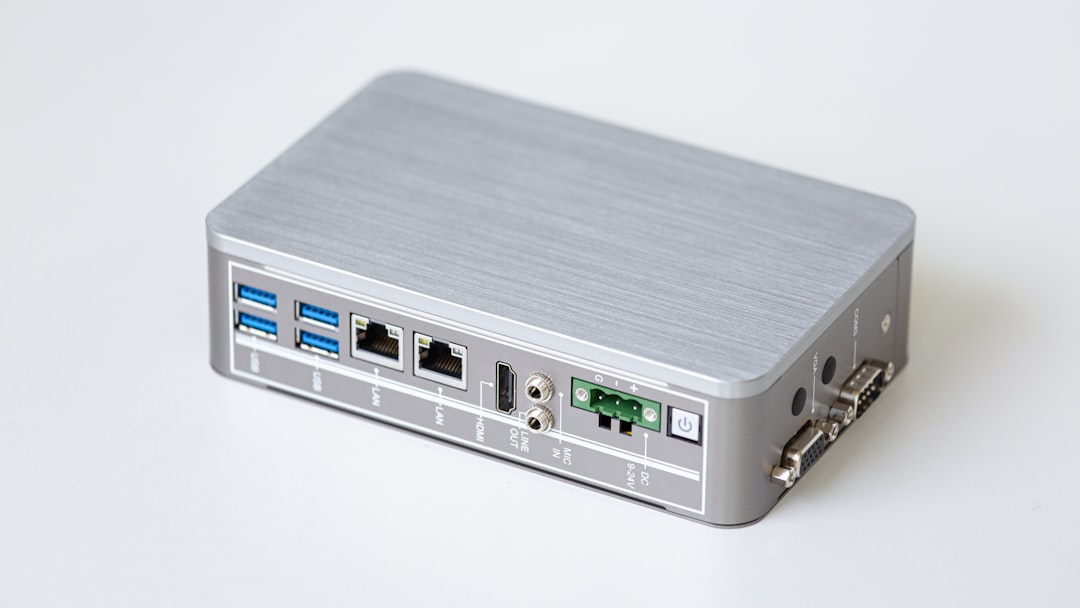
Digi International is one of the closest comparisons to Lantronix because it offers cellular routers, embedded modules, console servers, industrial IoT gateways, and device management software. Its products are commonly used in transportation, smart cities, energy, retail, and industrial automation. Digi’s strength is its combination of rugged hardware and cloud-based management, which can simplify large distributed deployments.
For 2026, Digi is worth considering where cellular connectivity, remote monitoring, and secure fleet management are priorities. Buyers should compare Digi Remote Manager against Lantronix management capabilities, especially for provisioning, firmware updates, alerts, and access control.
2. Advantech
Advantech is a major industrial computing and automation company with a broad portfolio that includes embedded boards, industrial PCs, edge AI systems, gateways, networking equipment, and IoT software. Compared with Lantronix, Advantech is broader and more deeply rooted in industrial automation and edge computing infrastructure.
Advantech may be especially attractive for manufacturers, logistics operators, machine builders, and system integrators that need long-life industrial hardware. Its scale and product diversity are advantages, but buyers should be careful to narrow the comparison to the exact product family that matches the deployment requirement.
3. Moxa
Moxa is a respected name in industrial networking, particularly for Ethernet switches, serial connectivity, protocol gateways, wireless products, and industrial cybersecurity solutions. Organizations comparing Moxa with Lantronix often do so in applications involving serial-to-Ethernet conversion, industrial communications, rail systems, power infrastructure, and harsh environments.
Moxa’s reputation is built on industrial reliability and long-term support. It is a strong candidate when projects require rugged design, protocol support, and proven performance in industrial environments. Buyers should assess compatibility with existing management systems and confirm cybersecurity features such as secure boot, encrypted management access, and vulnerability disclosure practices.
4. Kontron
Kontron focuses on embedded computing, IoT, edge servers, industrial automation platforms, and mission-critical hardware. It is often considered when customers need more compute power than a basic gateway or router can provide. In this sense, Kontron overlaps with Lantronix in edge computing and embedded systems rather than simple connectivity products.
Kontron is a credible option for transportation, telecommunications, medical technology, industrial control, and defense-related applications. For 2026 evaluations, it is best suited to buyers that need customization, embedded boards, industrial PCs, and high-reliability computing platforms.
5. ADLINK Technology
ADLINK Technology provides edge computing platforms, embedded modules, industrial PCs, data acquisition products, and AI-at-the-edge systems. It competes in areas where Lantronix also participates, particularly embedded compute and industrial IoT infrastructure.
ADLINK is a strong consideration for organizations developing machine vision, robotics, automation, telecommunications, and smart manufacturing systems. Its value is not only in hardware but also in engineering depth and ecosystem partnerships. Buyers should evaluate operating system support, AI accelerator options, thermal design, and the maturity of software tools needed for deployment at scale.
6. Semtech
Semtech, through its Sierra Wireless business, is important to consider for cellular modules, routers, and IoT connectivity. While Semtech is also widely known for semiconductor technology and LoRa-related offerings, the Sierra Wireless portfolio gives it direct relevance for organizations that might otherwise evaluate Lantronix cellular gateways or embedded connectivity products.
Semtech is particularly relevant when wireless performance, carrier certification, and global IoT deployment are central to the project. For 2026, compare not only the hardware but also SIM, connectivity services, antenna design support, and device lifecycle management. In cellular IoT, certification and network compatibility can be just as important as the device specification sheet.
7. Belden
Belden is a significant industrial networking and connectivity company, with well-known brands and technologies serving automation, infrastructure, transportation, and data communications. Through businesses such as Hirschmann and related industrial networking assets, Belden is highly relevant to buyers comparing rugged switches, routers, and network management solutions.
Belden may not look exactly like Lantronix from a product catalog perspective, but it is a serious alternative for industrial Ethernet, secure networks, and mission-critical connectivity. It is best considered for larger infrastructure projects where cabling, switching, routing, and network resilience must be engineered together.
8. HMS Networks
HMS Networks specializes in industrial communication and remote connectivity, with products and brands that support protocol conversion, industrial gateways, remote access, and machine connectivity. Its portfolio is especially relevant for factory automation, machine builders, and industrial IoT projects that need to connect legacy equipment to modern networks.
HMS is worth considering when communication protocols and interoperability are the primary challenge. In many industrial environments, the main issue is not raw computing power but the ability to connect PLCs, sensors, machines, and cloud systems securely and reliably. Buyers should review protocol support, remote access security, and integration with automation software.
9. Teltonika Networks
Teltonika Networks has become a visible supplier of industrial routers, gateways, modems, Ethernet switches, and remote management tools. Its products are frequently used in transportation, energy, retail, security, and industrial monitoring. Compared with Lantronix, Teltonika often competes strongly in cellular routing and cost-effective industrial networking.
For 2026, Teltonika is a practical option for buyers seeking robust cellular connectivity, straightforward deployment, and centralized remote management. It may be particularly attractive for distributed sites such as kiosks, vehicle fleets, utility cabinets, and remote monitoring stations. As always, confirm certifications, support availability, and cybersecurity requirements for regulated environments.
10. Ericsson Enterprise Wireless Solutions
Ericsson Enterprise Wireless Solutions, including the Cradlepoint portfolio, is a strong candidate for enterprise cellular routers, private networks, and wireless WAN deployments. While Lantronix is often associated with device connectivity and industrial IoT, Ericsson’s enterprise wireless offerings are more focused on business continuity, branch connectivity, fleet networking, and 5G-enabled enterprise infrastructure.
This company is worth considering when the main requirement is high-performance LTE or 5G connectivity across many locations. For buyers planning 2026 deployments, important comparison points include network slicing readiness, security architecture, cloud management, failover performance, and support for private cellular networks.

Key Evaluation Criteria for 2026
- Security: Look for secure boot, signed firmware, vulnerability management, role-based access, encryption, and timely patching.
- Lifecycle support: Industrial and infrastructure projects often require stable products for many years, not consumer-style refresh cycles.
- Management software: Remote provisioning, monitoring, firmware updates, and logging can significantly reduce operating costs.
- Certifications: Cellular, safety, industrial, rail, medical, and regional certifications may determine whether a product can be deployed at all.
- Integration: Confirm support for required protocols, operating systems, APIs, cloud platforms, and automation tools.
- Total cost: Hardware price matters, but support, licensing, accessories, downtime, and maintenance often matter more.
Which Company Is the Best Fit?
There is no single universal replacement for Lantronix. Digi International is one of the most direct alternatives for IoT connectivity and remote device management. Moxa and Belden are strong for industrial networking. Advantech, Kontron, and ADLINK are better fits when embedded computing and edge processing are central. Semtech is highly relevant for cellular IoT modules and wireless connectivity, while Teltonika Networks and Ericsson Enterprise Wireless Solutions are compelling for cellular routers and enterprise wireless WAN. HMS Networks stands out when industrial protocol connectivity is the core requirement.
Final Thoughts
Companies evaluating Lantronix alternatives in 2026 should avoid making the decision solely on headline specifications. The more reliable approach is to map the deployment requirements first: environment, connectivity type, security obligations, expected lifecycle, management model, and support needs. Once those factors are clear, the shortlist becomes much more meaningful.
The best vendor is the one that reduces operational risk over the full life of the deployment. That may mean choosing a rugged industrial networking specialist, an embedded computing provider, a cellular IoT leader, or a broader enterprise wireless platform. The ten companies above provide a serious starting point for procurement teams, system integrators, and technology leaders looking for dependable alternatives or complements to Lantronix in 2026.