
EduClimber is the safest starting point for districts that need MTSS, behavior, attendance, and assessment data in one place. The right alternative depends on the daily problem: intervention tracking, standards-based grading, assessment creation, or district-wide reporting. That choice matters because U.S. public schools served about 49.6 million students in fall 2022 [source: NCES], and even small data gaps can mean missed support for thousands of learners.
TLDR: EduClimber, Otus, Branching Minds, Panorama Education, and PowerSchool Performance Matters are five strong options for student data analytics and education assessment. For example, a 1,200-student district might use EduClimber to spot that 18% of sixth graders are below benchmark in reading, then assign interventions and check progress every two weeks. Otus is stronger for classroom assessment and standards tracking. Branching Minds is often a better fit when MTSS workflow is the main pain.
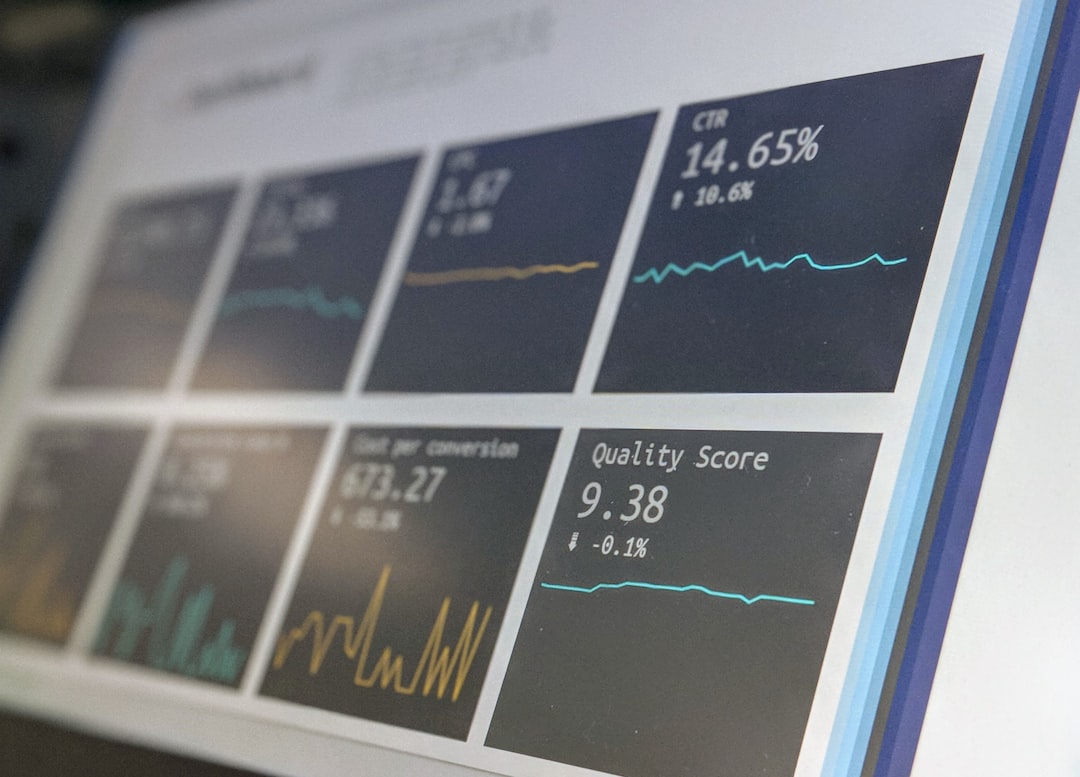
1. EduClimber
Best for: Districts that want a full MTSS data hub.
EduClimber pulls together academics, attendance, behavior, interventions, and assessment results. It is built for teams that meet often and need to make fast decisions about student support.
The platform works well when schools want one student profile instead of five disconnected reports. A principal can see benchmark scores, office referrals, attendance, and intervention notes in one view. That saves time during student support meetings.
- Strengths: MTSS tracking, student profiles, behavior data, district reporting.
- Weak spots: Setup can feel heavy. Clean data imports matter a lot.
- Good fit: Districts with clear intervention teams and regular data meetings.
The catch is that EduClimber works best when staff actually enter intervention notes on time. If that slips, the reports start to look better than the real work behind them.
2. Otus
Best for: Classrooms that need assessment, grading, and student growth data.
Otus blends assessment tools, standards-based grading, learning management features, and analytics. It is popular with schools that want teachers to build assessments, score against standards, and view growth without jumping between too many systems.
Teachers can create common assessments and compare performance by standard. That helps grade-level teams see which skills need reteaching. It also gives families a clearer view of student progress than a single letter grade.
- Strengths: Standards tracking, teacher-created assessments, gradebook tools.
- Weak spots: It can feel like a lot at first. Training matters.
- Good fit: Schools moving toward standards-based learning.
3. Branching Minds
Best for: Schools that want a cleaner MTSS process.
Branching Minds focuses on intervention planning, progress monitoring, and team workflows. It helps schools match students with support and track whether that support is working.
Honestly, it feels like some platforms bury the intervention plan three screens deep. Branching Minds tries to fix that. The system is built around the question school teams ask every week: What does this student need next?
- Strengths: MTSS workflows, intervention libraries, student support plans.
- Weak spots: It may not replace a full assessment platform.
- Good fit: Districts that need process, not just charts.

4. Panorama Education
Best for: Student success, surveys, and social emotional learning data.
Panorama Education is often used for SEL surveys, school climate surveys, attendance risk, behavior trends, and student support tracking. It gives leaders a broad view of student experience, not just test scores.
This makes it useful for districts that care about belonging, relationships, and early warning signs. A counselor might use the platform to find students with low sense-of-belonging scores and repeated absences. That can lead to support before grades drop.
- Strengths: SEL data, climate surveys, early warning indicators.
- Weak spots: Academic assessment tools are not its main focus.
- Good fit: Districts adding student voice to their data work.
5. PowerSchool Performance Matters
Best for: Assessment creation and district-level reporting.
PowerSchool Performance Matters helps districts build assessments, review results, and connect performance data with other school systems. It is a strong choice for districts already using PowerSchool products.
Assessment teams can create item banks, run reports, and compare results across schools. This is useful for benchmark testing and district common assessments.
- Strengths: Assessment management, reporting, PowerSchool connections.
- Weak spots: It may feel too assessment-heavy for teams focused only on interventions.
- Good fit: Districts that need strong testing and reporting tools.
Quick Comparison
| Platform | Best Use | Main Buyer |
|---|---|---|
| EduClimber | MTSS and whole-child data | District leaders |
| Otus | Classroom assessment and standards | Teachers and curriculum teams |
| Branching Minds | Intervention planning | MTSS teams |
| Panorama Education | SEL and student voice | Student support leaders |
| PowerSchool Performance Matters | Assessment and reporting | Assessment directors |
How to Choose
Schools should start with the pain point, not the product demo. If meetings are messy and no one knows which intervention worked, choose EduClimber or Branching Minds. If teachers need better assessment and standards data, choose Otus. If student voice and SEL are missing, review Panorama Education. If district testing is the main issue, PowerSchool Performance Matters makes sense.
Expect to waste time on cleanup if student IDs, course names, and assessment files are inconsistent. No platform fixes bad source data by magic. The best tool is the one staff will use every week, not just during board reports.

FAQ
Is EduClimber only for MTSS?
No. EduClimber is often used for MTSS, but it also supports behavior, attendance, assessment, and district reporting.
Which EduClimber alternative is best for teachers?
Otus is often the best teacher-facing option because it supports assessments, standards-based grading, and classroom data review.
Which platform is best for intervention tracking?
Branching Minds is built around intervention planning and progress monitoring. EduClimber is also strong for this use.
Does Panorama Education replace an assessment platform?
Usually not. Panorama is stronger for SEL, surveys, climate data, and student support insights than for test creation.
What should districts ask before buying?
They should ask how data imports work, how long setup takes, what training includes, and whether teachers can use the system without extra admin help.