
Bolt.new, Lovable, Replit Agent, Cursor, Framer, and Webflow are the strongest Vercel v0 alternatives if you want AI-assisted website building, quick prototypes, or SaaS app development. Vercel describes v0 as a tool that creates UI from prompts, images, and design files, with code output aimed at React and modern front-end teams [source: Vercel].
TLDR: Use Bolt.new if you want a full app scaffold in minutes, Lovable if you want a SaaS MVP with auth and database logic, and Framer if you care most about polished landing pages. For example, a solo founder could build a signup page, pricing page, and basic dashboard in one afternoon instead of waiting 3 to 5 days for a first mockup. If your team ships weekly, even cutting 6 hours from each prototype cycle can save more than 300 hours per year.
Why look beyond Vercel v0?
Vercel v0 is great at UI generation. It feels sharp, especially for React teams. But it is not always the best fit for every project. Some builders want full-stack code. Some want visual editing. Some want hosting, database setup, and auth included without fighting config files for half a day.
The annoying part is simple: a nice generated interface is not a finished product. You still need forms, payments, user roles, emails, data storage, and edge cases. That is where v0 alternatives can make more sense.

1. Bolt.new: best for full-stack AI app building
Bolt.new is one of the best picks for people who want more than a pretty screen. You can describe an app, ask for pages, connect logic, and get a working project structure. It suits SaaS prototypes, internal tools, admin panels, and small web apps.
Best for: founders, indie hackers, and developers who want to move from idea to working demo fast.
- Pros: fast app generation, useful code output, good for full-stack projects.
- Cons: larger apps can get messy if prompts are vague.
- Use case: create a CRM prototype with login, contacts, notes, and a dashboard.
Honestly, it feels like the tool works best when you treat it like a junior developer. Give it small tasks. Review the output. Then ask for the next piece.
2. Lovable: best for SaaS MVPs
Lovable is a strong Vercel v0 alternative for SaaS products. It can help create apps with front end, database logic, user flows, and simple back-end behavior. It is especially useful when your idea needs more than a landing page.
Best for: SaaS founders testing paid products, booking tools, dashboards, portals, and marketplaces.
- Pros: good product flow, useful for MVPs, fast iteration.
- Cons: you may still need a developer before launch if the app handles sensitive data.
- Use case: build a client portal with user login, project status, and file uploads.
3. Replit Agent: best for coding in the browser
Replit Agent is a good choice if you want AI help plus an online coding workspace. It can generate code, run it, debug it, and help you keep working inside one browser tab. That matters when you do not want to set up a local dev environment.
Best for: students, solo builders, hackathon teams, and quick internal apps.
The catch is that browser-based projects can feel slower than a local setup. Waiting an extra 10 to 20 seconds for installs or restarts gets old when you are fixing tiny UI bugs.
4. Cursor: best for developers who want control
Cursor is not a website builder in the same way as v0. It is an AI code editor. That makes it better for developers who want to keep control over architecture, file structure, and code quality.
Best for: professional developers, technical founders, and teams with existing codebases.
- Pros: excellent for editing real projects, refactoring, and debugging.
- Cons: less friendly for non-coders.
- Use case: improve a Next.js SaaS app with billing pages, API routes, and reusable components.

5. Framer: best for landing pages and marketing sites
Framer is ideal when the goal is a sharp website, not a complex app. It gives you visual editing, animations, responsive layouts, and strong publishing tools. AI helps with page creation, but the real win is speed from draft to live site.
Best for: startup landing pages, waitlists, portfolios, launch pages, and agencies.
If you are validating a SaaS idea, Framer can be the quickest route to a good-looking homepage with a pricing section, FAQ, signup form, and product visuals.
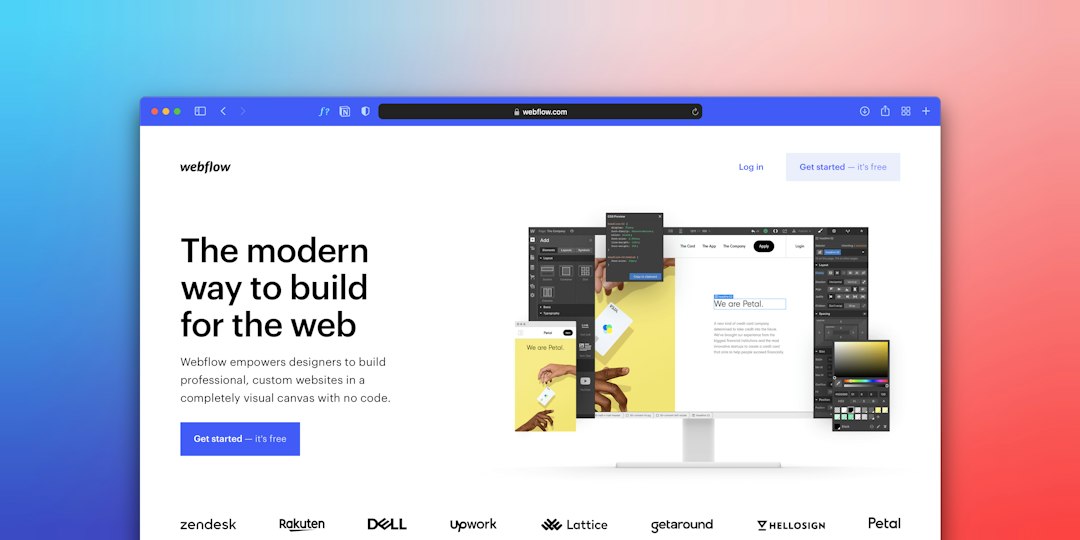
6. Webflow: best for no-code teams and agencies
Webflow remains a solid option for teams that need clean marketing sites without writing code every day. Its AI features are useful, but its main strength is still visual site building, CMS control, and client-friendly editing.
Best for: agencies, content-heavy websites, B2B marketing teams, and non-technical founders.
- Pros: strong CMS, visual design control, reliable publishing.
- Cons: app logic is limited compared with code-first tools.
How to choose the right v0 alternative
Pick based on what you are building, not which tool is trending this week.
- Need a full SaaS MVP? Try Lovable or Bolt.new.
- Need a clean landing page? Choose Framer.
- Need CMS and client editing? Use Webflow.
- Need serious code control? Use Cursor.
- Need browser-based coding? Try Replit Agent.
Final pick
If you want the closest all-around Vercel v0 alternative, choose Bolt.new. If your goal is a real SaaS MVP, choose Lovable. If you need a beautiful site that can go live quickly, choose Framer. Vercel v0 is still excellent for UI work, but the best alternative depends on how close you need to get to a working product.