

If your check engine light shows P0171 or P0420, start with the code, but do not stop there. P0171 means the engine is running too lean on Bank 1. P0420 means the catalytic converter is not cleaning exhaust as well as expected on Bank 1 [source: OBD-Codes]. An OBD-II scanner app can help you see what is really happening before you buy parts.
TLDR: P0171 is usually an air or fuel problem. P0420 is usually an exhaust or catalyst problem. For example, Mia scanned her 2014 Corolla and saw P0171 with fuel trims at +22%, so she found a cracked intake hose instead of buying oxygen sensors. A simple $25 to $60 Bluetooth scanner plus a good app can save one wrong repair trip very fast.
P0171 vs P0420 in plain English
Think of your engine as a tiny kitchen.
It needs the right mix of fuel and air. Too much air, and the soup is watery. Too much fuel, and it is messy. The computer watches this mix all the time.
- P0171: The engine sees too much air or not enough fuel.
- P0420: The exhaust is not being cleaned well enough after combustion.
So the codes may both turn on the same orange light. But they do not point to the same system.
P0171 is usually upstream. That means the issue is before or during combustion. Air leaks. Dirty sensors. Weak fuel delivery.
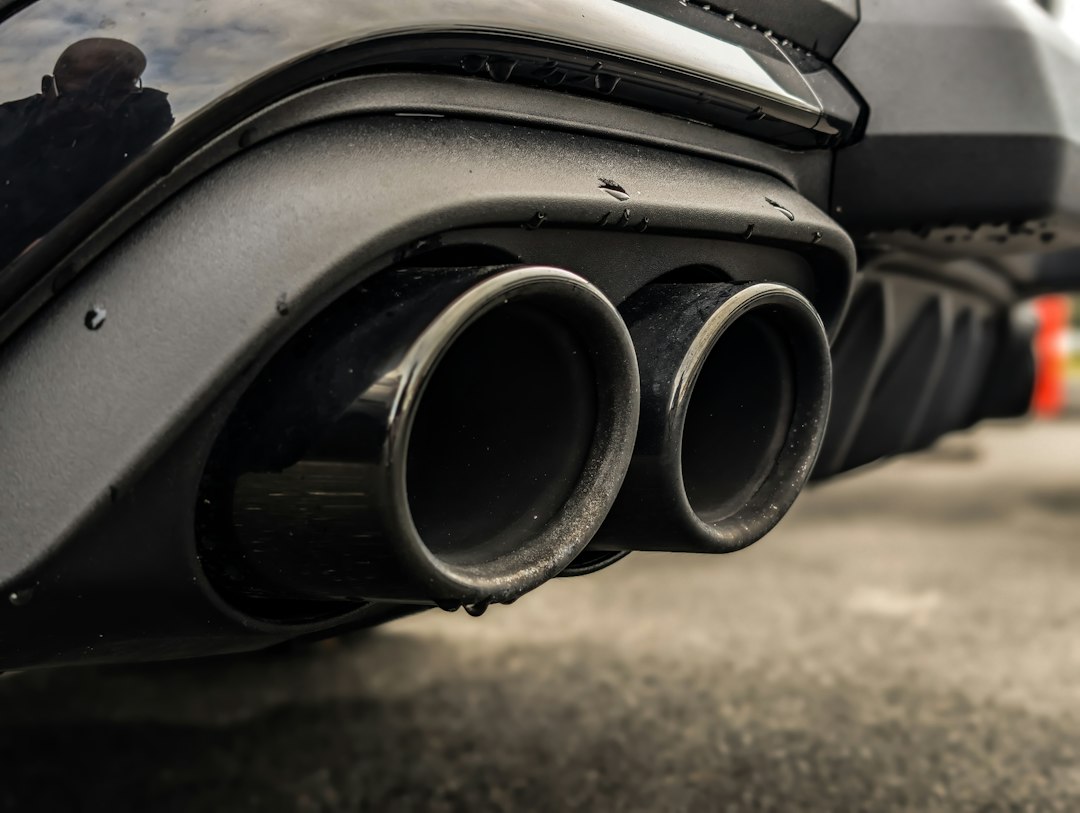
P0420 is usually downstream. That means the issue is after combustion. Catalytic converter. Exhaust leaks. Oxygen sensor readings. Emissions testing.

What an OBD-II app actually does
An OBD-II scanner app talks to your car through a small adapter. The adapter plugs into the OBD-II port. That port is usually under the dashboard.
The app can show:
- Stored engine codes
- Pending codes
- Freeze frame data
- Live sensor data
- Fuel trims
- Oxygen sensor voltage
- Readiness monitor status
That sounds nerdy. It is. But it is useful nerdy.
The catch is that some cheap apps show only the code and a scary repair guess. That is not diagnosis. That is a fortune cookie with Bluetooth.
Best app features for P0171
For P0171, your best friend is fuel trim data.
Fuel trim shows how hard the computer is working to fix the air fuel mix. Short-term fuel trim changes fast. Long-term fuel trim changes over time.
If fuel trim is high, like +15% to +25%, the computer is adding fuel. It thinks the engine is lean.
Common P0171 causes include:
- Vacuum leak
- Cracked intake hose
- Dirty mass air flow sensor
- Weak fuel pump
- Clogged fuel filter
- Exhaust leak before an oxygen sensor
- Low fuel pressure
A good app lets you view live fuel trims at idle and at 2,500 RPM. This matters.
If trims are much worse at idle, suspect a vacuum leak. If trims stay high at idle and higher RPM, suspect fuel delivery or the MAF sensor.
That one test can save you hours. It drives me crazy that some apps hide fuel trim three menus deep. You tap around for 20 seconds just to find the number that matters most.
Best app features for P0420
For P0420, look at oxygen sensor data and catalyst monitor status.
Your car has oxygen sensors before and after the catalytic converter. The front sensor should move up and down quickly. The rear sensor should be steadier if the converter is working well.
If the rear sensor copies the front sensor too closely, the catalytic converter may not be storing oxygen well. That can trigger P0420.
Common P0420 causes include:
- Worn catalytic converter
- Exhaust leak near the converter
- Bad rear oxygen sensor
- Engine misfires that damaged the converter
- Oil or coolant burning in the engine
- Cheap replacement converter that does not meet the car’s needs
P0420 is annoying because the converter is expensive. Do not start there. Check for misfires first. Check for fuel control problems. Check for exhaust leaks. A converter often dies because another problem cooked it.
How to use the app without fooling yourself
Do this in order. Keep it simple.
- Scan all codes. Do not read only the first one.
- Write them down. Include pending codes.
- Check freeze frame. See speed, RPM, load, and temperature.
- Look at live data. Focus on fuel trims and O2 sensors.
- Fix obvious issues first. Cracked hoses count.
- Clear codes only after repair. Then drive and recheck.
Freeze frame is like a crime scene photo. It shows what was happening when the code set.
For P0171, freeze frame may show the code set at idle. That hints at a vacuum leak.
For P0420, freeze frame may show steady cruise after the engine warmed up. That fits catalyst testing.
Which scanner app should you pick?
You do not need the fanciest tool on day one. But you do need live data.
Look for these features:
- Live fuel trim graphs
- Oxygen sensor graphs
- Freeze frame display
- Emissions readiness monitors
- Clear code function
- Data logging
- Plain code definitions
Popular choices include Car Scanner ELM OBD2, Torque Pro, OBD Fusion, BlueDriver, and FIXD. Some work better with certain adapters. Some need paid upgrades. Some have cleaner graphs. Pick the one that works with your phone and adapter.
For iPhone, check adapter support before buying. For Android, many ELM327-style adapters work, but cheap copies can be flaky. Nothing says fun like reconnecting three times in a parking lot while your car idles badly.
Quick diagnosis examples
Example 1: P0171 only.
The app shows long-term fuel trim at +24% at idle. At 2,500 RPM, it drops to +8%. That points to a vacuum leak. You inspect the intake hose. It has a split. Cheap fix. Happy wallet.
Example 2: P0420 only.
The app shows the rear oxygen sensor rising and falling like the front sensor. No misfire codes. No fuel trim problem. No exhaust leak heard. The converter may be weak.
Example 3: P0171 and P0420 together.
Fix P0171 first. A lean engine can run hot. That can stress the catalytic converter. If you replace the converter first, the lean problem may damage the new one too.
Do not clear codes too soon
Clearing a code turns off the light. It does not fix the car.
It also resets emissions readiness monitors. If you have an inspection soon, this can be a pain. The car may need several drive cycles before it is ready again.
Use clear codes after you repair something. Then watch if the code returns. Also check if the same monitor completes.
Final verdict
P0171 asks, “Why is the engine lean?” Start with air leaks, fuel trims, MAF readings, and fuel pressure clues.
P0420 asks, “Why is the catalyst not doing its job?” Start with oxygen sensor graphs, exhaust leaks, misfires, and past engine problems.
An OBD-II scanner app is not magic. But it gives you clues. Good clues save money. Bad guesses eat weekends.
Read the code. Check the data. Fix the cause. Then clear the light. Your car will still be moody sometimes, but at least you will know what it is complaining about.