
A high-converting SaaS website does more than look polished. It explains a product quickly, builds trust, reduces friction, and guides visitors toward a trial, demo, or subscription. For software companies competing in crowded markets, SaaS website design services help turn complex offers into clear, persuasive digital experiences.
TLDR: A successful SaaS website combines clear messaging, strategic UX design, fast performance, and conversion-focused pages. For example, a B2B SaaS startup that improves its homepage headline, adds social proof, and simplifies its demo form may increase sign-ups by 20% to 40% within a few months. The best results come from designing around user intent, not just visual trends.
Why SaaS Website Design Requires a Different Approach
SaaS buyers usually need education before making a decision. They compare features, pricing, integrations, security, customer support, and long-term value. Unlike a basic brochure website, a SaaS website must act as a sales assistant, product explainer, trust builder, and onboarding gateway at the same time.
Professional SaaS website design services typically focus on four main goals:
- Clarity: Visitors should understand the product and its value within seconds.
- Trust: The website should prove that the company is credible and reliable.
- Usability: Navigation, page structure, and calls to action should feel effortless.
- Conversion: Every page should support trials, demos, purchases, or lead generation.
Start With Positioning and Messaging
Before design begins, a SaaS company needs to define what it offers, who it serves, and why it is better than alternatives. Strong positioning prevents vague website copy such as “all-in-one platform” or “powerful solution.” Instead, the message should explain a specific outcome.
For instance, a project management SaaS platform could say, “Plan campaigns, assign tasks, and track approvals in one workspace built for marketing teams.” This message is more useful than a generic statement because it identifies the audience, the function, and the benefit.
Effective SaaS website messaging usually includes:
- A clear homepage headline focused on customer outcomes
- A short paragraph explaining the product in plain language
- Benefit-driven section headings
- Feature descriptions connected to real use cases
- Proof points such as customer numbers, ratings, or case study results
Design the Homepage as a Conversion Path
The homepage should not be treated as a gallery of everything the company does. It should guide visitors through a logical decision-making sequence. A strong SaaS homepage often starts with a hero section, then moves into pain points, solution benefits, product visuals, social proof, key features, pricing or plan guidance, and a final call to action.
The hero section is especially important. It should include a concise value proposition, one primary call to action, and a supporting action such as “Watch demo” or “View pricing.” Too many competing buttons can reduce confidence and create decision fatigue.
High-converting SaaS homepages often use:
- A direct headline that communicates the main product value.
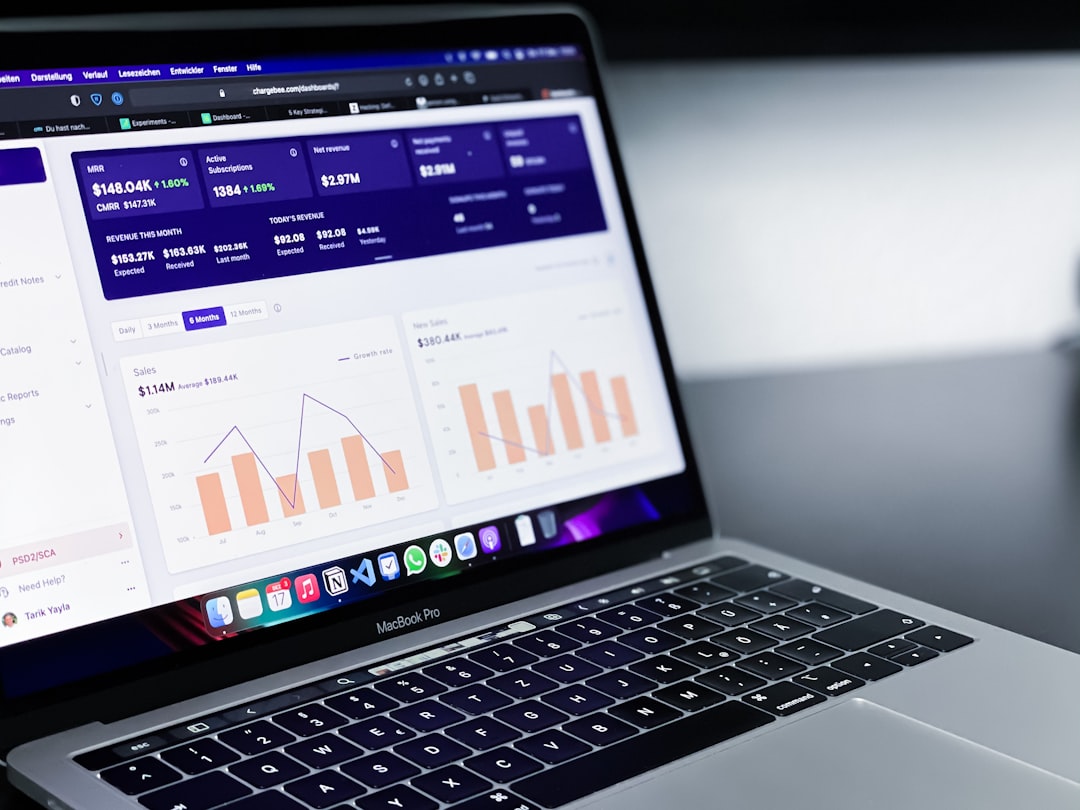
- A product screenshot or interface preview that makes the software feel tangible.
- Trust signals such as client logos, testimonials, awards, or compliance badges.
- Benefit-focused sections that show how the product solves customer problems.
- Repeated calls to action placed naturally throughout the page.
Use Product Visuals to Reduce Uncertainty
SaaS products are often intangible, so visuals are vital. Interface screenshots, short animations, workflow diagrams, and feature previews help visitors imagine how the product works. However, product visuals should be clean and purposeful. Overly detailed screenshots can overwhelm users, especially if the interface includes small text or complex dashboards.
A SaaS design team may simplify product images by highlighting one key action at a time. For example, a billing automation platform might show invoice creation, approval tracking, and payment reporting as three separate visuals instead of one crowded screenshot.
Build Trust With Social Proof
Trust is one of the strongest conversion factors in SaaS website design. Visitors often hesitate before starting a trial or booking a demo because they need reassurance that the product is stable, secure, and useful.
Strong trust-building elements include:
- Customer testimonials with names, roles, and company details
- Case studies showing measurable results
- Client logos from recognizable or relevant companies
- Security and compliance information, especially for B2B SaaS
- Third-party review ratings from trusted software platforms
For example, a customer quote that says, “The platform helped the support team reduce average response time by 32% in six weeks” is more persuasive than a general compliment. Specific numbers make the claim easier to believe.
Create Pricing Pages That Remove Friction
The pricing page is one of the most important pages on a SaaS website. Visitors who reach it often have high buying intent, so the page should help them compare plans without confusion.
A high-converting SaaS pricing page typically includes clear plan names, a simple feature comparison, monthly and annual pricing options, FAQs, and guidance for users who are unsure which plan fits them. If custom pricing is required, the page should still explain what affects price, such as seats, usage, integrations, or support level.
Designers should avoid hiding essential information behind vague buttons. When pricing cannot be public, the page should compensate with strong value explanations, customer proof, and a low-friction demo request form.
Optimize Calls to Action
Calls to action should reflect the customer journey. A visitor who is just discovering the product may prefer “Watch demo” while a ready buyer may choose “Start free trial.” SaaS website design services often test multiple CTA options to find the best match for each page.
Common SaaS CTAs include:
- Start free trial
- Book a demo
- View pricing
- See how it works
- Talk to sales
The CTA should stand out visually but still fit the brand. It should also appear after persuasive content, not only at the top of the page.
Improve Performance and Mobile Experience
Website speed directly affects conversions. If a SaaS website loads slowly, visitors may leave before reading the value proposition. A design team should optimize image sizes, reduce unnecessary scripts, use clean code, and ensure stable performance across devices.
Mobile experience also matters, even for B2B SaaS. Decision-makers often research tools on phones before returning on desktop. Forms, menus, pricing tables, and product visuals should remain readable and easy to use on smaller screens.
Image not found in postmetaUse Landing Pages for Campaigns
Paid ads, email campaigns, webinars, and product launches should not always send traffic to the homepage. Dedicated landing pages can match a specific audience or offer. For example, a SaaS company targeting HR teams could create a landing page focused only on employee onboarding workflows.
A strong SaaS landing page removes distractions and includes one primary goal. It may feature a targeted headline, relevant feature benefits, a short form, proof from similar customers, and a CTA aligned with the campaign.
Measure, Test, and Improve Continuously
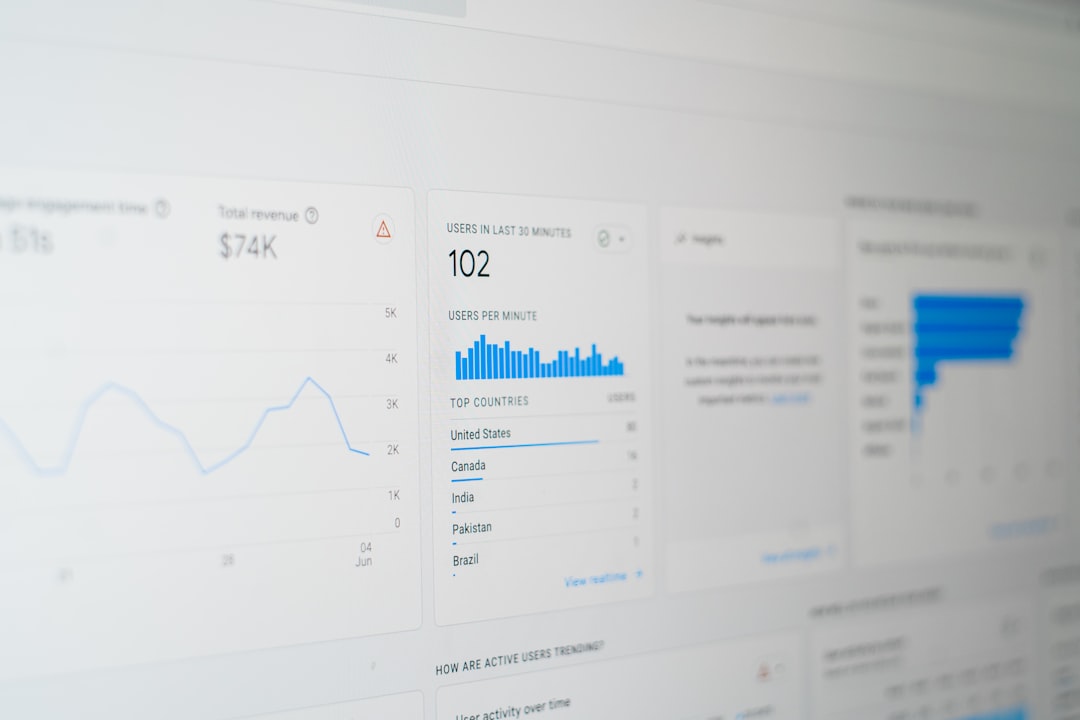
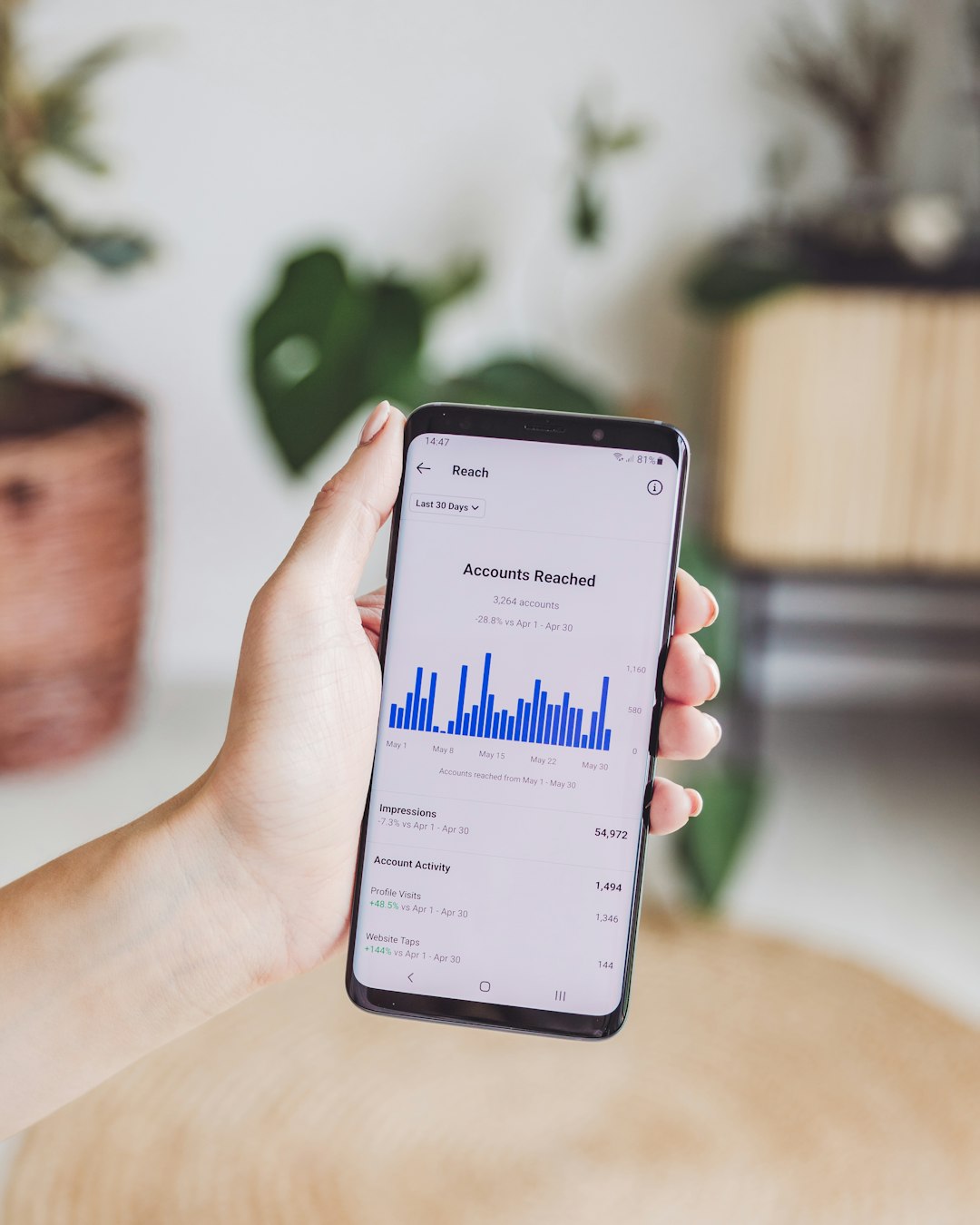
A SaaS website is never truly finished. Analytics, heatmaps, session recordings, and A/B testing can reveal where visitors hesitate or drop off. If the demo page receives traffic but few submissions, the form may be too long. If visitors leave the pricing page quickly, the plans may be confusing.
Important SaaS website metrics include:
- Visitor-to-trial conversion rate
- Demo request conversion rate
- Bounce rate on key pages
- Pricing page engagement
- Form completion rate
- Traffic source performance
By reviewing these metrics regularly, a SaaS company can make design decisions based on evidence rather than assumptions.
Conclusion
High-converting SaaS website design combines strategy, copywriting, UX, visual design, development, and analytics. The most successful websites make the product easy to understand, show clear value, build trust, and guide visitors toward the next step. With professional SaaS website design services, a software company can create a website that supports growth, improves lead quality, and turns more visitors into customers.
FAQ
What are SaaS website design services?
SaaS website design services include strategy, user experience design, copy structure, visual design, development, conversion optimization, and performance improvements for software companies.
What makes a SaaS website high-converting?
A high-converting SaaS website has clear messaging, strong calls to action, product visuals, trust signals, simple navigation, fast loading speed, and landing pages tailored to user intent.
Should a SaaS website offer a free trial or a demo?
The best option depends on the product. Simple self-service tools often benefit from free trials, while complex B2B platforms usually perform better with demo requests and sales conversations.
How important is the pricing page for SaaS conversions?
The pricing page is highly important because it attracts visitors with strong purchase intent. Clear plan comparisons, transparent details, and helpful FAQs can reduce hesitation and increase conversions.
How often should a SaaS website be updated?
A SaaS website should be reviewed regularly, especially after product changes, new feature releases, campaign launches, or shifts in customer behavior. Continuous testing usually leads to better long-term results.